


 Home / News & Events /
-
Share
-

-

-

-

Updated 4 days ago
Thermal Paper Manufacturers: How to Trace a Lot Before You Buy
admin
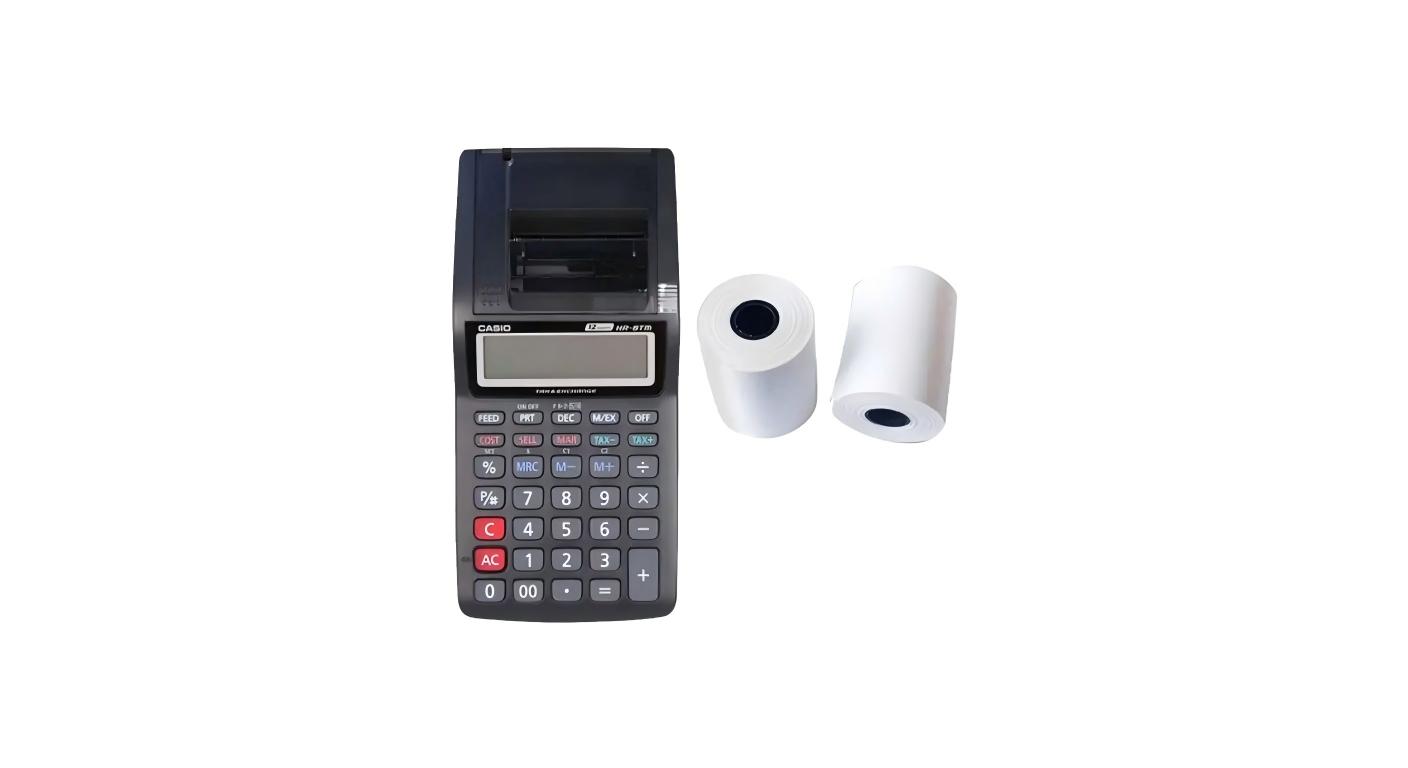
A carton code frequently is the only information to return to the importer when a complaint is received about pale receipts. One of the questions that thermal paper makers should ask themselves is: what can they get from that code? Are they able to locate the parent reel and retrieve the relevant inspection data and advise the importer which other cartons are from the same production reel?
That exercise provides an effective means for procurement and quality to evaluate suppliers prior to ordering containers. Beginning with the product that the buyer will have, follow the coating and converting process and end with a traceability drill with product from a regular production run.

Reverse Engineer Your Way to a Product You Will Receive
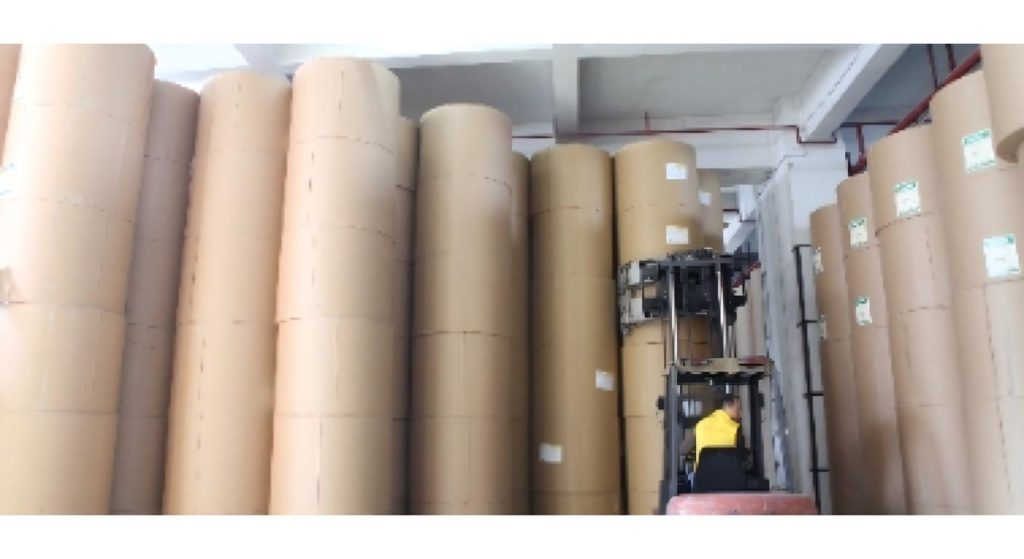
When a converter purchases a coated jumbo reel, he or she assumes responsibility for making the final rolls. It must have a reel which matches its unwinder and has a uniform behaviour in slitting and rewinding. Finished rolls of POS paper that a distributor can purchase must have the correct printer specification and be packaged and ready for the distributor's customers. While it's important to both buyers, a coating line has varying acceptance points.
In-house manufacturing processes of Jin Bao Brother include thermal coating, jumbo roll slitting and finished product packaging. Its thermal paper jumbo roll range caters to POS receipts and ATM slips manufacturers using it as a converter. When purchasing jumbo stock, discuss the unwinder limits with your partner, and keep in mind the direction of the thermal coating, and how the reel will be wound and the identification of splices. When purchasing finished rolls, specify the exact printer models to be used, and the size to which you desire the finished roll.
Request a Print Result You Can Reproduce
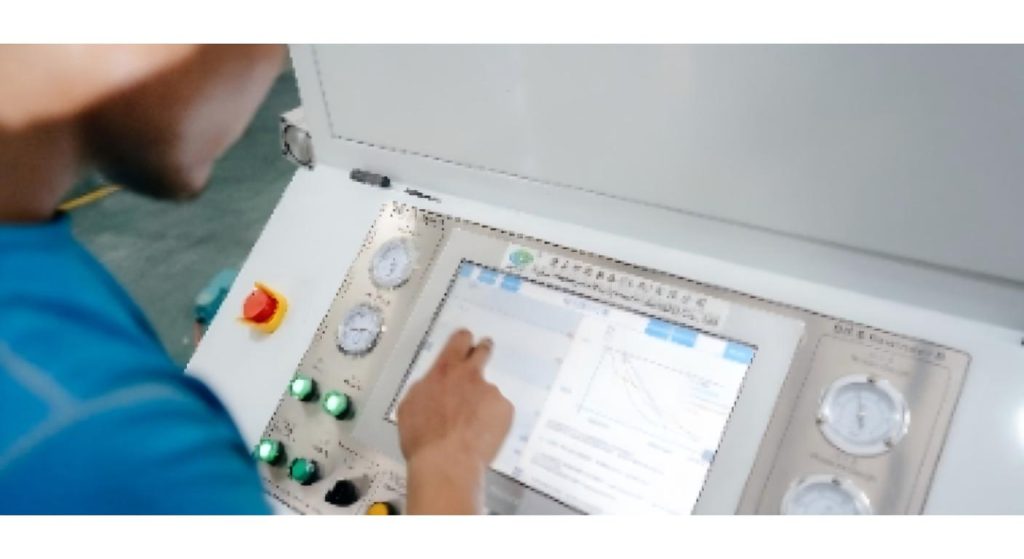
Without knowing what the conditions were that produced it, a printout is of little value. Inquire about the supplier's test for thermal response and image density, and note the printer and speed and darkness setting they used in their test; use the same setting for your test. Test with an application test image on the equipment your customer uses, the image should include some fine details and/or bar code, as well as text. Make sure to retain the printout along with its settings and sample code.
The coated web can only be assessed from a sample from one portion of a jumbo reel. Inquire about the samples the factory has at the width and how they know what reel it is. In Jin Bao Brother's quality control overview, the distribution of coating and thermal response are mentioned. Request a typical paper grade and discuss with the representative what happens if the paper is not up to that grade, before releasing that reel. If it is necessary to retain the receipts for a period of return, specify the storage conditions and the image retention test separately.
Slit and rewind the reel according to the instructions.
A coating could be within specification but the converted roll could have a rough edge or uneven winding. Test the finished roll when it has the paper loaded and when it is close to the core. Observe the roll for any lateral movement, paper dust and any feed changes during roll unravel. If you are a jumbo supplier then do a similar inspection on your own converting line and note the location of any defect. If a fault is repeatedly thrown on a side of the web, then the manufacturer receives a better indication of the problem than a report that the whole load feeds poorly.
When requesting a production sample, use the format it will be delivered in. Jin Bao Brother's POS thermal paper rolls come in various rolls and custom roll size. Inquire about the checks that are performed on the finished roll and what measurements are transferred from the coated roll. This will detect if a fault originated in the base material or was caused at coating or after the reel was converted.
Complete a Traceability Drill With One Carton.
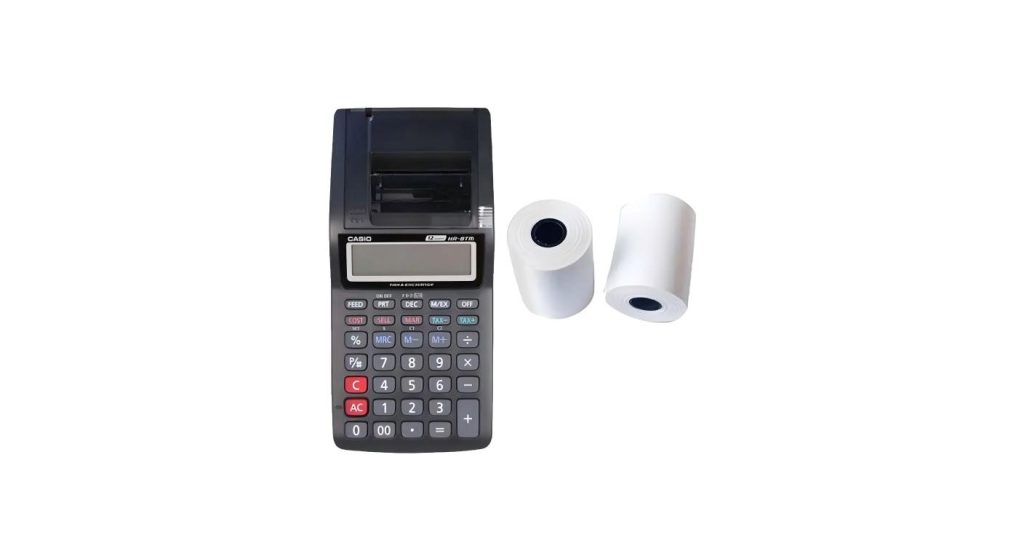
Choose a carton from the pilot shipment and provide your warehouse with the same identifying numbers you would have in the event of a complain. Request it trace the carton back to the converting run and parent reel and send the release record with the carton and find out any other cartons with the same parent reel. If this was produced using more than one reel, enquire if the records are able to identify the carton ranges used for each reel.
Next reverse direction. Find out from the supplier what parent reel it was used on and ask them what shipments were made from that parent reel. That forward look is what a distributor should have to make a determination of what stock to set aside until the supplier can investigate. Identify where the lot code will be visible once carton is opened or broken down into smaller packs. When a new label is added to the storage rack in your warehouse, maintain the manufacturer's reference in the receiving record.
If the records only reduce the problem to a full converting run, then apply that run to the initial stock hold. Time taken to determine that range and the source of evidence. Those details assist purchasing to agree on a response process prior to a real complaint going to several branches.
| Parent reel | Converting run | Carton range | Shipment |
| JR-014 | CV-027 | C101–C120 | SH-08 |
| JR-014 | CV-027 | C121–C130 | SH-09 |
| JR-015 | CV-027 | C131–C150 | SH-09 |
Ensuring that changes that require a new review are agreed.
Record changes to be declared for the next order. If a change was made to the base paper or thermal coating, a repeat print/retention test may be required. Fit and feed can be used to review a change to core dimensions or a change to winding. If the carton or inner pack is changed, it may be necessary to have a receiving and identification check, particularly if a branch receives only part of a carton.
Set the next shipment to prove using the pilot. Maintain a signed specification, a retained production sample and batch record. Establish which inspection documents will be sent with each shipment, and who can pick up the remaining documentation. If multiple lots are included in a shipment, request a lot breakdown on the packing record prior to allocation of the shipment to customers.
Repeat the checks that are most relevant to the approved application, when a new production lot arrives. For a distributor, supplying stores with older printers, it may be a matter of checking the print contrast at the settings used by the stores before introducing the new lot into general stock.
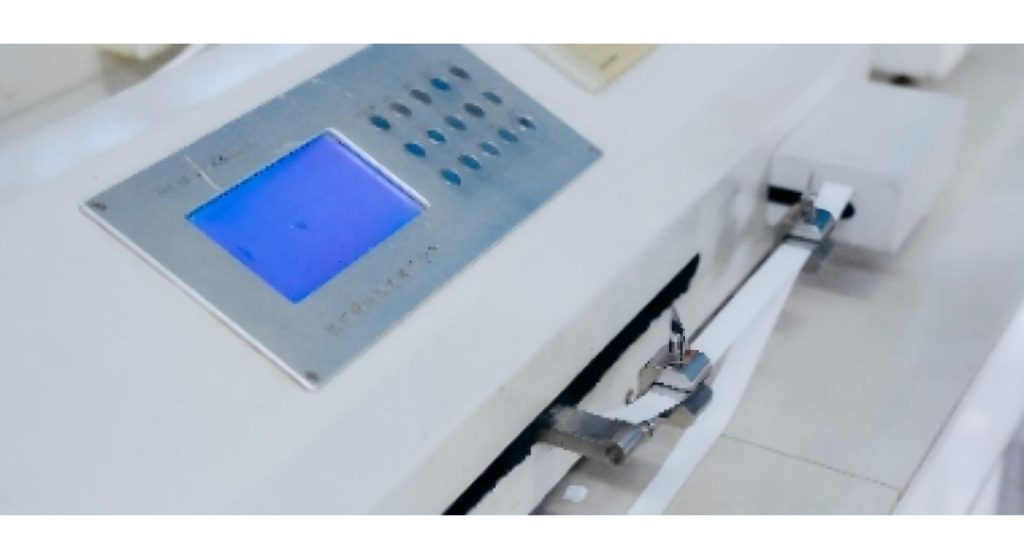
Conclusion
Shop around with different thermal paper manufacturers from coated reels to delivered stock. Duplicate the print, review the converting step that is pertinent to the item you're buying, and request that the supplier trace a carton both ways. Include agreed checks/change rules in the purchasing specification to allow repeat deliveries to be checked against the same rules.
FAQs
Q1. What will a converter check before placing orders for jumbo rolls?
Reel width, diameter, core and winding are examined on unwinder. Establish a system of marking splices and make a test on your own line.
Q2. Is there a single good receipt that can earn a paper grade?
It was used to demonstrate the results of one sample under one set of conditions. Ask them for a production lot number and try the test again using your typical printer settings.
Q3. What are the differences between sample ID and lot code?
A sample ID is a code that identifies the item that you evaluated. A lot code relates production materials to release/investigation records.
Q4. Is there roll tracking possible for a distributor when they split a carton?
Yes, if the origin(s) of the original lot are shown on the smaller packs or in warehouse system. Establish that connection prior to the first split shipment.
Q5. When is it appropriate for buyers to ask for a second sample of the product?
Ask for one if a change may impact the approved fit, print performance or handling. Correlate new trial with changed part of specification.
We'll Get Back Within 24 Hours
Related Articles
Thermal Paper for Printers: How to Diagnose Receipt Problems Before Reordering
2026-11-13
Roll Label Printer Media: How to Match the Roll to the Printer and Applicator
2026-11-13
8.5 × 11 Copy Paper: How to Keep Prints Consistent Across Shared Printers
2026-11-12
Thermal Printing Labels: How to Combine Preprinted Artwork With Variable Data
2026-11-12
