



 Home / News & Events /
 -
Share
-

-

-

-

Updated 9 months ago
The “Ink-Free Magic” Behind Supermarket Receipts:

JINBAO
Jinbao Paper operates a modern factory with strict quality control and exports thermal paper rolls to over 20 countries across Europe, Asia, and the Americas. The company supports OEM customization, fast delivery, and competitive pricing for global clients.
Jinbao Paper specializes in the production of thermal paper, copy paper, label stock, and other paper-based consumables. With 34 years of manufacturing experience and international certification, the company is committed to providing sustainable, high-quality solutions for printing needs worldwide.
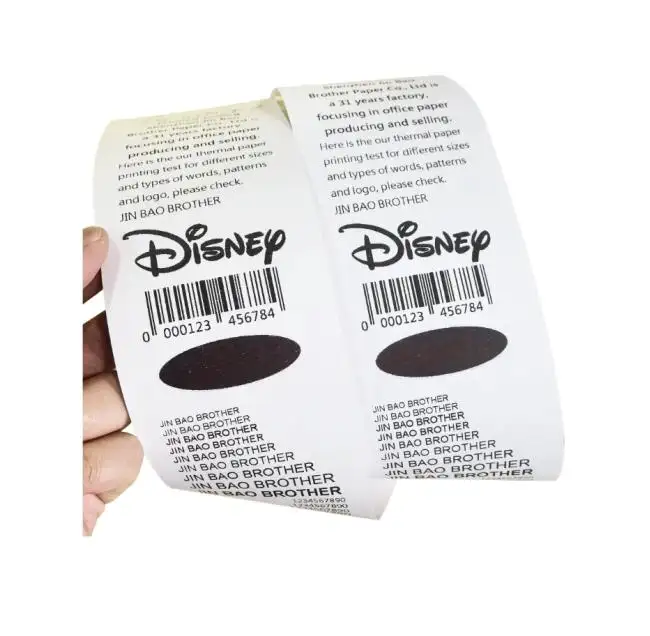
The Core Secrets of Thermal Receipt Paper Explained
Every day around the world, supermarkets, restaurants, convenience stores, gas stations, and self-service kiosks generate billions of receipts. What many people don’t realize is that these receipts are printed without ink—no cartridges, no ribbons, no toner. This “ink-free magic” is made possible by the science of thermal receipt paper.
In this article, we’ll break down exactly why thermal paper works, what makes high-performance thermal paper different, and how its structure and chemistry deliver reliable, high-speed, and durable printing across a wide range of real-world environments.
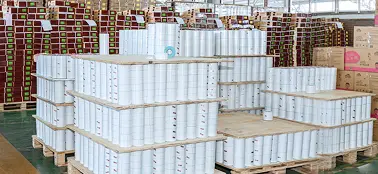
How Thermal Printing Works: A Three-Layer Structure
At the heart of thermal printing lies the three-layer construction of thermal receipt paper. Unlike traditional paper that requires external ink, thermal paper contains its own imaging chemistry built right into the coating.
1. Base Layer: High Tensile Strength Paper
The bottom layer is a high-strength base paper, typically made from 55–65 gsm virgin pulp. This isn’t ordinary paper—premium base paper has:
- Uniform fiber distribution
- Excellent tensile strength
- Smooth surface for consistent coating adhesion
The result? Paper that runs smoothly through high-speed printers without tearing, curling, or degrading under stress.
2. Insulation Layer: Protection and Stability
Between the base and top layers lies a protective insulation layer. This layer:
- Shields the thermal coating from migration or smudging
- Enhances image stability over time
- Improves resistance to humidity and environment changes
This middle layer is critical for ensuring that thermal images remain legible months or even years after printing.
3. Thermal Coating Layer: Where the Magic Happens
The top layer is the most important. It contains:
- Leuco dyes
- Developers and sensitizers
When a thermal print head heats specific spots on the paper, the dye and developer react chemically to form a visible image—all without ink.
This reaction is fast, precise, and reliable, making thermal printing ideal for:
- Receipts
- Order tickets
- Barcodes
- Labels
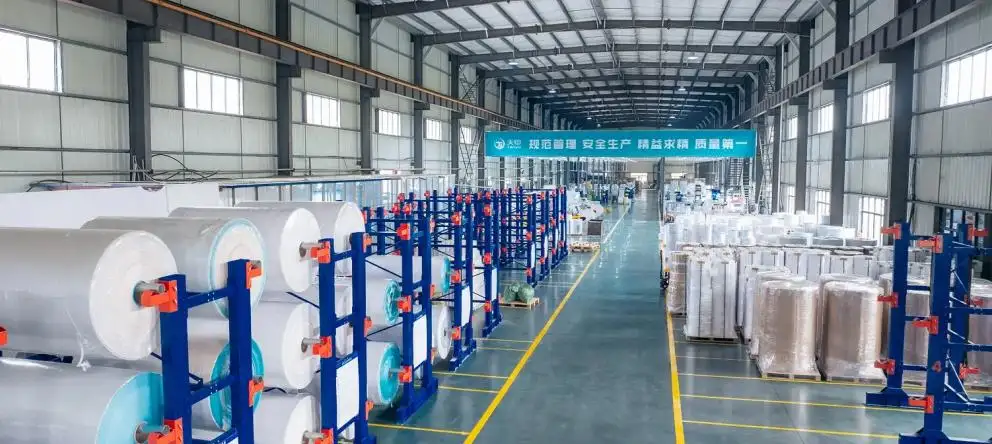
What Makes High-Performance Thermal Paper Different?
Not all thermal receipt papers are created equal. Performance varies based on materials, coating quality, and manufacturing precision. High-quality thermal paper should deliver:
✨ Fast Print Speeds
Thermal paper designed for high-speed printers can support up to 200 mm/sec without sacrificing clarity or consistency.
✨ Clear Image Quality
A well-balanced coating produces crisp text and barcodes that are easy to scan and read.
✨ Durability in Harsh Conditions
In kitchen environments, oil, steam, and heat can quickly fade or blur inferior papers. Advanced thermal coatings resist:
- Oil and grease
- Water and humidity
- Heat and abrasion
This makes them ideal for restaurants, commercial kitchens, and outdoor retail.
✨ Barcode Accuracy
High-contrast images are essential for reliable barcode scanning. In field tests, quality thermal papers maintain barcode scan accuracy above 99.9%, reducing checkout errors and delays.
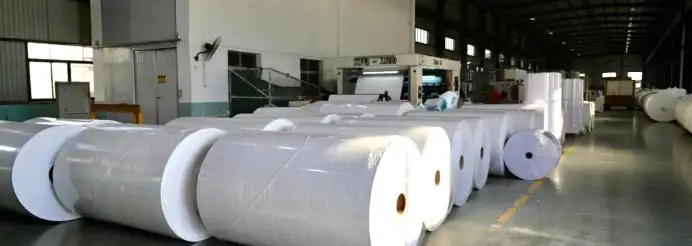
Safety, Compliance, and BPA-Free Options
Increasing regulatory focus on chemical exposure has pushed the industry toward safer materials.
Traditional thermal coatings often used BPA (Bisphenol A)—a chemical now restricted or banned in many regions. Modern thermal papers now use:
- BPA-free formulas
- Phenol-free chemistries
- Regulatory compliance with:
- EU REACH
- CE certification
- FDA food-contact safety standards
BPA-Free thermal paper is especially important in environments like:
- Baby stores
- Organic food retail
- Pharmacies
- Health-focused retailers
where frequent human contact is unavoidable.
Real-World Performance Across Industries
Thermal receipt paper isn’t just a technical curiosity—it’s the backbone of automated printing in diverse industry settings.
Supermarkets and High-Volume Retail
In large supermarkets, thermal paper enables fast self-checkout and point-of-sale systems that accelerate throughput and reduce queues.
Key benefits:
- Rapid printing at peak times
- High contrast for easy scanning
- Minimal printer maintenance
Restaurants and Commercial Kitchens
Humidity, heat, and grease can destroy standard paper fast. Thermal paper with oil- and water-resistant coatings keeps order tickets intact from cook line to table service.
Convenience Stores and Emerging Markets
In regions with high humidity, advanced thermal coatings maintain stability even under 90% relative humidity, preventing fading and ensuring every receipt stays readable.
Why This Matters to Your Business
Whether you are:
- Evaluating a new POS system,
- Choosing a receipt media supplier,
- Or optimizing retail operations,
understanding the science of thermal paper can help you avoid common pitfalls like:
- Faded print
- Printer head damage
- Barcode scanning failures
- Regulatory non-compliance
In today’s competitive retail environment, even a small improvement in receipt quality can enhance customer experience, reduce costs, and improve operational reliability.
Conclusion: A Small Piece of Paper with Big Impact
From the moment a cashier presses “Total” to the instant a barcode scanner reads your receipt, thermal paper plays a critical role in modern commerce. Its unique “ink-free magic” comes from precise chemistry and layered engineering that deliver speed, clarity, durability, and safety—all without a drop of ink.
Understanding how thermal paper works—and what differentiates high-performance materials—equips you with the insights needed to make smarter purchasing and operational decisions.
Written by
JINBAO
Jinbao Paper operates a modern factory with strict quality control and exports thermal paper rolls to over 20 countries across Europe, Asia, and the Americas. The company supports OEM customization, fast delivery, and competitive pricing for global clients.
Jinbao Paper specializes in the production of thermal paper, copy paper, label stock, and other paper-based consumables. With 34 years of manufacturing experience and international certification, the company is committed to providing sustainable, high-quality solutions for printing needs worldwide.
We'll Get Back Within 24 Hours
Related Articles
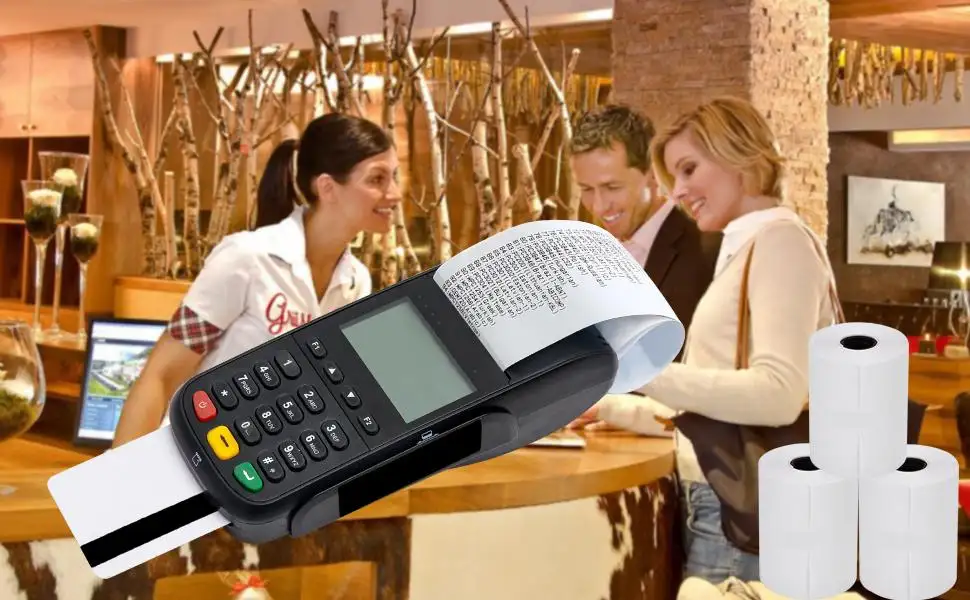
Cash Register Roll Quality Testing: 7 Technical Parameters Buyers Should Check
2026-09-30

Custom Carbon Copy Paper Technology | Jinbao Brother
2026-09-30
How Long Do A4 Thermal Paper Rolls Last? Image Durability and Storage Explained
2026-09-29
Eco-Friendly A4 Thermal Printing Paper: Sustainability Trends and Recyclability
2026-09-29
