



 Home / News & Events /
 -
Share
-

-

-

-

Updated 9 months ago
Thermal Receipt Paper Market: How Thermal Paper Adapts to Global Requirements in 2026

JINBAO
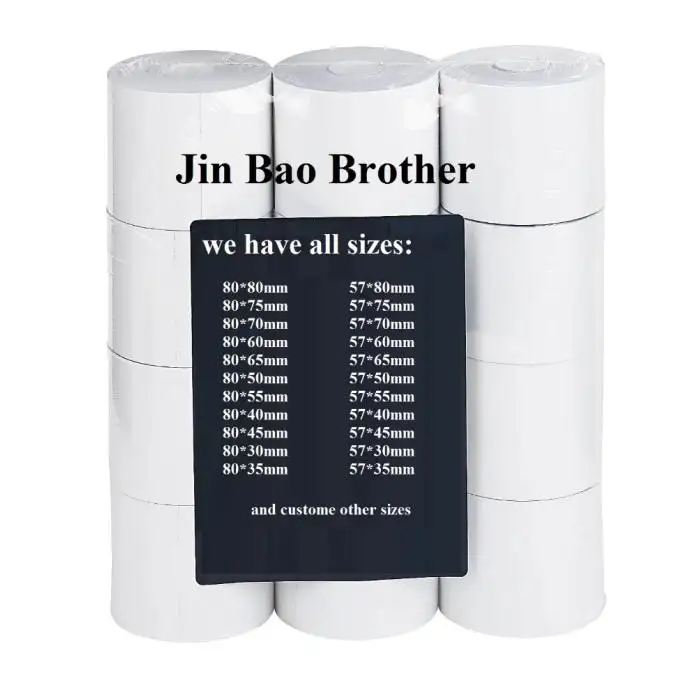
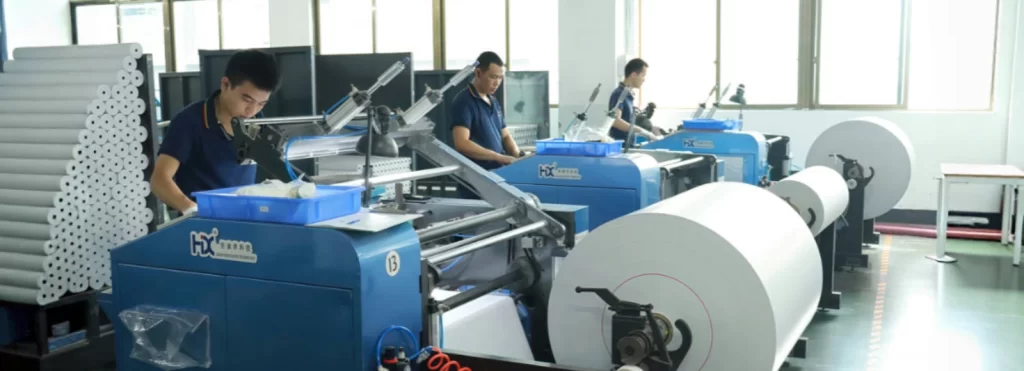
Jinbao Paper operates a modern factory with strict quality control and exports thermal paper rolls to over 20 countries across Europe, Asia, and the Americas. The company supports OEM customization, fast delivery, and competitive pricing for global clients.
Jinbao Paper specializes in the production of thermal paper, copy paper, label stock, and other paper-based consumables. With 34 years of manufacturing experience and international certification, the company is committed to providing sustainable, high-quality solutions for printing needs worldwide.

Introduction: Global Thermal Paper Must Fit Local Needs
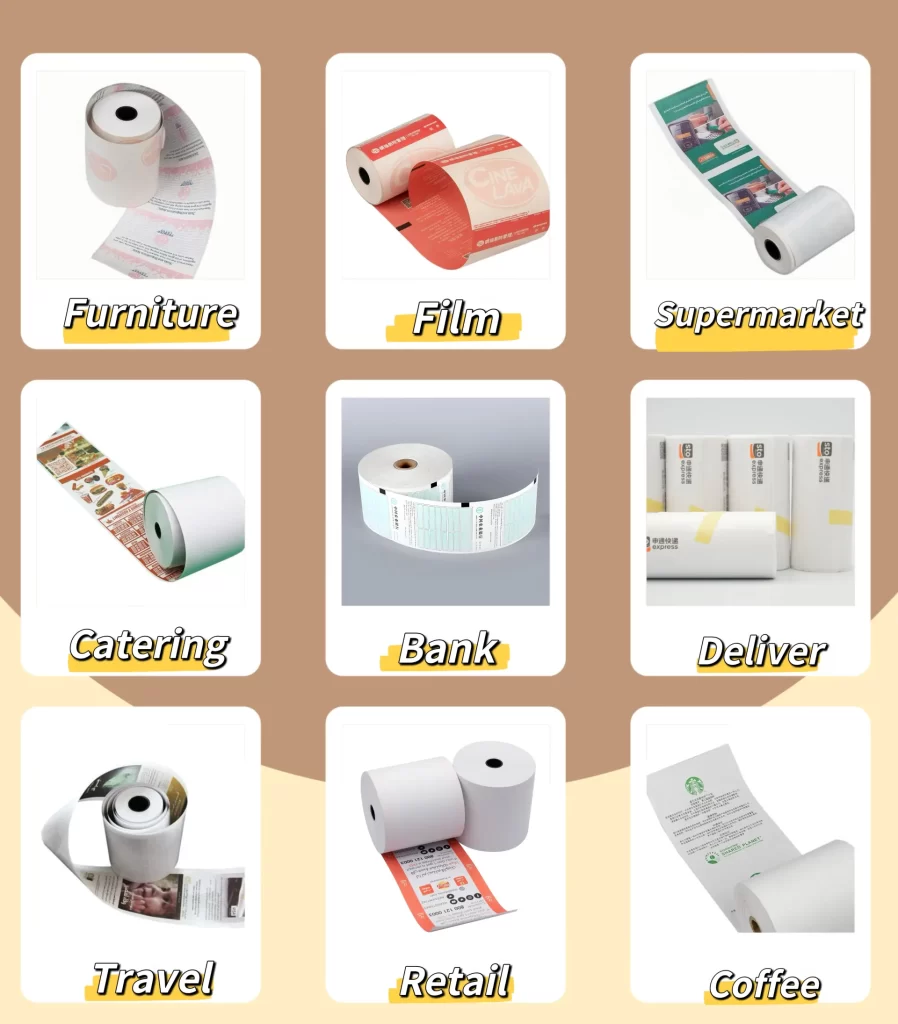
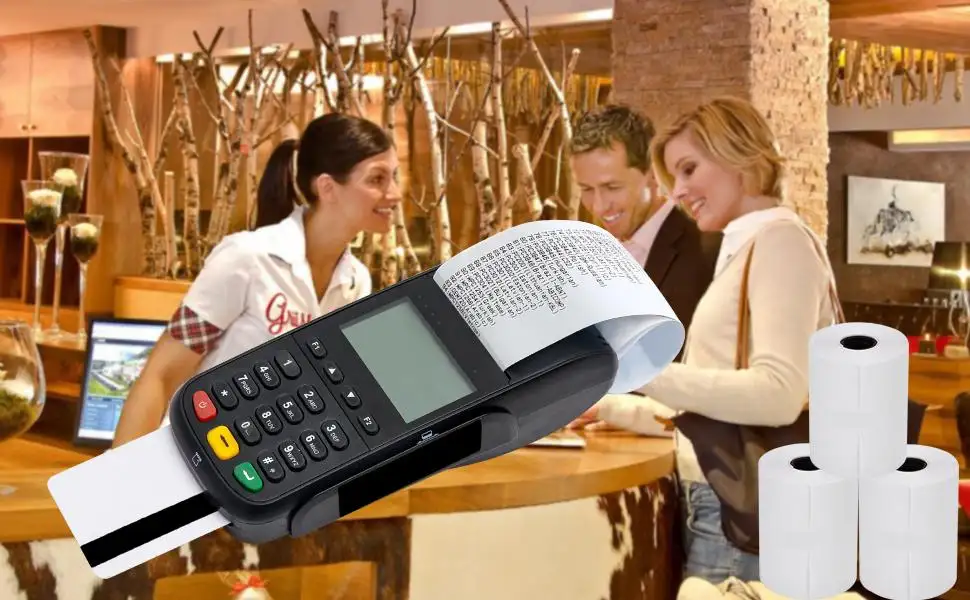
Thermal receipt paper is a silent but indispensable backbone of modern retail, hospitality, logistics, and self-service systems around the world. While its core function — printing clear, ink-free receipts — remains consistent, different regions present unique regulatory, environmental, and operational demands that manufacturers must address to succeed globally. This article breaks down those differences and explains the key adaptations that enable thermal paper to thrive in diverse markets.
Why Regional Adaptation Matters
Exporting one type of thermal receipt paper worldwide often fails because regulations, climate, and industry practices vary greatly between regions. For example:
- The European Union has some of the strictest chemical and safety standards globally.
- Tropical regions face humidity and heat challenges that can render ordinary thermal paper unusable.
- North American retail systems demand high throughput and compatibility with major POS equipment.
- Middle Eastern industrial environments require materials with enhanced resistance to oil and static.
- Australia’s outdoor applications must contend with UV exposure and heat.
To win global markets, thermal paper must be precisely adapted to meet these diverse needs.
European Union — Regulatory Compliance and Safety First
H3: Environmental Regulation Is a Non-Negotiable Requirement
In the EU, regulators have driven profound changes in thermal paper chemistry. REACH regulations have effectively banned the use of Bisphenol A (BPA) in thermal paper, forcing manufacturers to adopt safer alternatives such as phenol-free coatings.
This shift aligns with a broader market trend toward sustainability and chemical safety, as environmentally conscious consumers and corporate buyers increasingly demand BPA-free and phenol-free options.
Additionally, certifications like FSC-COC ensure that paper sources are sustainable and responsibly managed — a criterion that matters to European buyers.
Southeast Asia — Resilience in Heat and Humidity
The tropical climate of Southeast Asia — characterized by high heat and near-constant humidity — presents significant challenges for thermal receipt paper. Standard papers can quickly fade or fail in such conditions, which compromises barcode readability and legal record-keeping.
To meet these demands, high-performance variants incorporate:
- Moisture-resistant coatings, designed for extreme humidity levels (up to ~95% relative humidity).
- Sealed aluminum foil packaging with desiccants, preserving paper integrity during storage and transport.
Such solutions ensure reliable printing for environments like night markets, convenience stores, and outdoor stalls.
North America — High Speed and System Compatibility
North American retail and hospitality sectors prioritize operational efficiency. Thermal receipt paper must support:
- High-speed printers, capable of printing up to ~200 receipts per minute.
- Compatibility with major POS systems, such as NCR, VeriFone, and others common in supermarkets and big-box retailers.
Smooth paper feeding and consistent print clarity are essential to avoid jams and downtime — especially in high-traffic checkout lanes.
Middle East — Specialized Needs for Industrial and Petroleum Sectors
In parts of the Middle East, particularly those dominated by energy and petroleum industries, thermal receipt paper must withstand oil exposure, static discharge, and safety certification standards for use near flammable materials.
Certifications such as SASO in Saudi Arabia ensure that specialized formulations perform reliably in high-risk environments like gas stations, workshops, and industrial retail sites.
Australia — UV Stability for Outdoor Devices
Australia’s climate poses a unique challenge for thermal paper used in outdoor kiosks — such as parking payment machines and ticketing terminals. Extended exposure to UV radiation and heat can lead to rapid fading unless the paper is specifically engineered to resist these effects.
High-UV-resistance thermal paper can maintain readability for up to 2 years under strong sun, making it suitable for long-term outdoor applications.
System and Format Customization — The Final Piece of the Puzzle
In addition to physical performance characteristics, successful global thermal paper solutions also address software and system compatibility:
- Pre-configured printing formats for local language scripts
- Barcode standards specific to regional retail systems
- Integration support for local POS hardware and APIs
These adaptations ensure that thermal paper works seamlessly within each target market’s existing technology ecosystem.
Regulatory Trends and Industry Direction
Global regulatory patterns show an increased emphasis on chemical safety and sustainability. BPA and related compounds like BPS are being restricted or phased out in many regions, particularly in Europe and parts of North America. Some U.S. states, such as California, now require warning labels or prohibit certain chemical compounds altogether.
The broader thermal paper market is also trending toward:
- Sustainable materials and recyclable products
- Customization for niche applications
- Expansion of direct thermal systems in logistics and digital payment settings
Driven by these macro trends, manufacturers that can combine performance, compliance, and localization will lead global growth.
Conclusion: One Paper, Many Markets
A small roll of thermal paper hides a world of complexity. From strict European environmental standards to the heat and humidity of Southeast Asia, from high-speed retail systems in North America to industrial safety requirements in the Middle East and outdoor durability in Australia, global success in thermal paper comes down to precision adaptation and compliance.
Understanding the nuances of each regional market is essential for suppliers and buyers alike — it’s no longer enough to offer “one size fits all.” Only those solutions that combine advanced material science with localized adaptation can truly meet the diverse demands of the global marketplace.
Written by
JINBAO
Jinbao Paper operates a modern factory with strict quality control and exports thermal paper rolls to over 20 countries across Europe, Asia, and the Americas. The company supports OEM customization, fast delivery, and competitive pricing for global clients.
Jinbao Paper specializes in the production of thermal paper, copy paper, label stock, and other paper-based consumables. With 34 years of manufacturing experience and international certification, the company is committed to providing sustainable, high-quality solutions for printing needs worldwide.
We'll Get Back Within 24 Hours
Related Articles
Cash Register Roll Quality Testing: 7 Technical Parameters Buyers Should Check
2026-09-30

Custom Carbon Copy Paper Technology | Jinbao Brother
2026-09-30
How Long Do A4 Thermal Paper Rolls Last? Image Durability and Storage Explained
2026-09-29
Eco-Friendly A4 Thermal Printing Paper: Sustainability Trends and Recyclability
2026-09-29
