


 Home / News & Events /
-
Share
-

-

-

-


A distributor sells the copy paper one ream at a time but orders by the carton which is delivered by the pallet. If this does not align with those units, it may result in the incorrect number of sheets being listed on a listing, an incorrect price comparison or packs in the warehouse that cannot be sold individually. The paper need not comply with the print specification and yet cause a problem when the carton is opened.
If you're an office supply wholesaler or a private-label buyer, begin with the product the customer is looking to purchase. Establish the sheet, the wrapped ream and the shipping carton and then follow through with the quote, artwork and receiving checks. This is important, especially if the same shipment is being used for single-ream retail sales and full-carton sales.
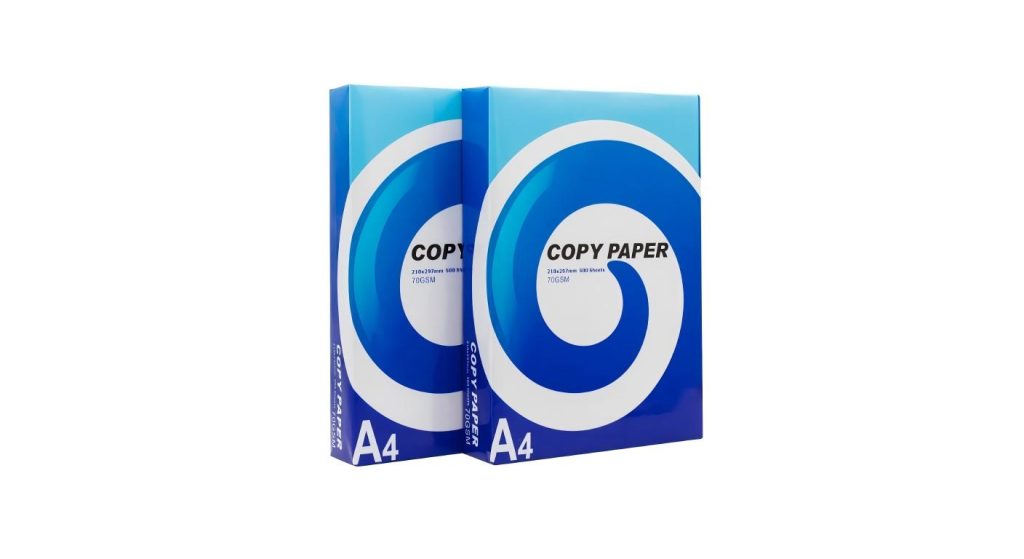
Explain What the Customer gets in One Ream
Indicate the sheet size, basis weight and sheet count in separate fields. Jin Bao Brother's wholesale A4 copy paper has a choice of 70gsm paper, 75gsm paper and 80gsm paper, a ream is 500 sheets and 5 reams for a box. According to the packing specification, there are 2,500 sheets in one box. Include both counts on the order, so that receiving staff can determine a short carton from a short ream.
Select the format that customers use in their printer. The A4 paper size is 210 × 297 mm and is a different size from US Letter, which is 8.5 × 11 inches. For those who prefer to have Jin Bao Brother's copy paper in an US Letter format, this is also available in 80 gsm. If there are 500 sheets of A4 and Letter paper, then use a separate catalog item for each. If a customer orders only by weight and number of items, they may still be delivered a pack which will need a different tray setting or alter the way a document will fit on the page.

In the Jobs Customers Print, approve the Sheet.
When customers primarily copy internal documents, perform that task on the grade proposed. If students or offices purchase a ream for double-sided copying, copy a duplex with dark text and shading. Assess print-through and/or flatness of the stack after printing. Basis weight is defined as how much a square meter of fabric weighs. To determine the opacity and feeding, check actual output on representative equipment.
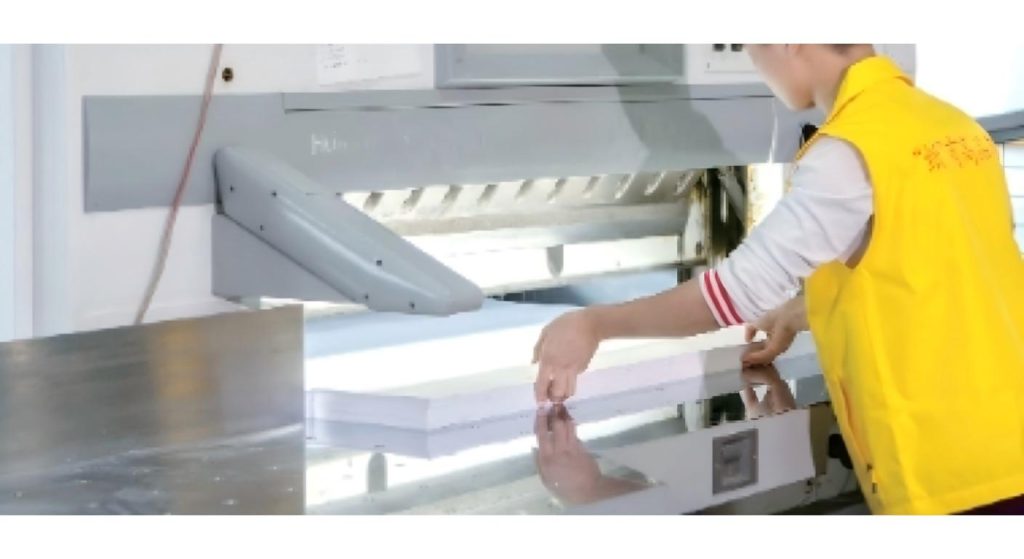
Also inspect the unprinted stack for others. If the edges are not even, the stack is not even or there is cutting dust visible, it may mean there are problems to discuss prior to an approval. As for the copy paper production process, Jin Bao Brother's copy paper cutting process is introduced as follows: First check the size of the sheet and whether the sheet is on the horizontal line or not, and then check the flatness of the sheet and the number of sheets. Ask for a sample wrapped in the size and grade you are interested in. A few loose sheets can be used to assess the appearance of the print and a full ream can be used to check the print stack and wrapper.
Compare the Cost of the Unit You Can Sell: today, the unit is $3,000.
When your customer is purchasing single reams, compare landed cost/ream sold. First, take the cost of the shipment into your warehouse and take the number of saleable reams. Apply the same inputs (handling and other inbound costs, freight) for all quotes. When comparing offers sheets, as an additional check, compare cost per 1,000 sheets if the sheets vary. That helps ensure that a smaller pack doesn't seem like it's a bargain just because it has less paper in it.
A carton, which arrived with five saleable reams, cost $3.80 per ream, for example. When one ream comes with a damaged wrapper and is unsellable through the retail channel, the same carton cost is allocated to four packs, or $4.75 per pack (no supplier credit or recovery). If it is a regular order, use the damage rate that you've observed over the order.
Keep damaged cartons and damaged reams separate. If the outer box is dented, there could be 5 good packs still available for sale. If it is a sealed carton sale, it may be necessary to reclassify the same box as single ream stock.
Design the Wrapper and Carton for Different jobs
A wrapper must label the product when it is removed from the carton. Display the format of the sheet, the basis weight and how many sheets are purchased per order, so that a customer can read it on the shelf. A carton should facilitate the correct picking by the warehouse staff and be a simple way of determining the number of reams in the carton. The custom copy paper packaging solutions offered by Jin Bao Brother include SKU or barcode printed master carton, branded ream wrappers.
Request both the ream wrapper and carton proof. Look at how they look in the pack when folded, stacked and scanned. This can be hidden under a fold, and a design that is clearly apparent on a flat proof can be confusing for the size/count. If your catalog lists the front of a ream, take a picture of the approved pack to ensure that the ream listing is the same that your customer will receive. If two grades have the same branding, then the grade difference should be discernible even when boxes are next to each other.

Review First Delivery at Ream and Carton Level.
When receiving, check the outside marks and carton count against the order. Open a sample of cartons and check the number of reams, print specifications and condition of corners and wrappers. Take samples from various areas of the delivery; this will help the inspector to obtain samples from more than the easiest carton to reach. Make note of packs with tears in the seal or any moisture problem; note if it is just packaging or if it is also on sheets.
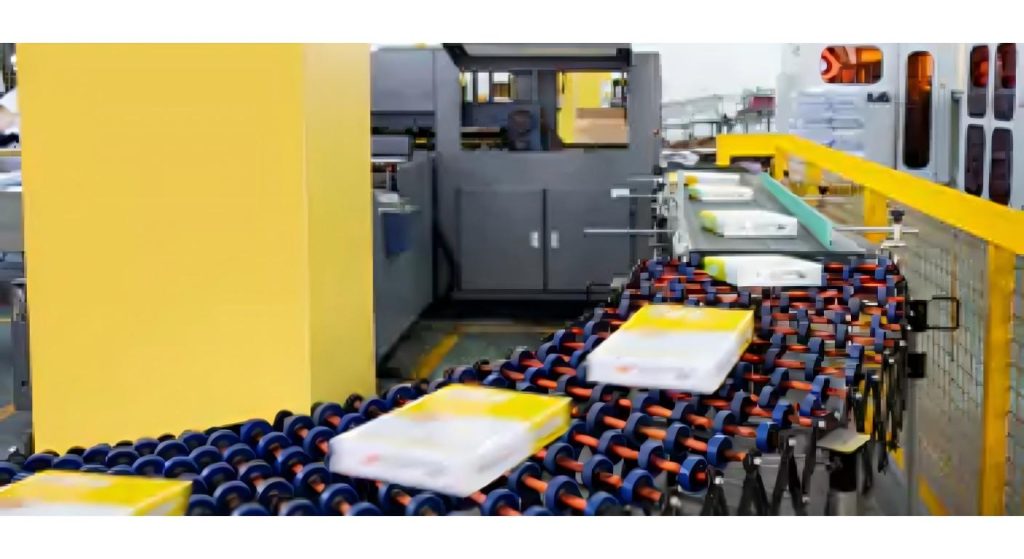
Use a sample ream from the delivery on the same print job as used for approval. Keep the result in its wrapper, with the carton number. If the warehouse sells by ream and carton, perform a test at each level and verify that the inventory system is subtracting the proper number of cartons/reams. The number of reams agreed upon for a carton sale should be deducted from the available number of reams.
| Sales unit | Example SKU | Stock conversion | Typical order |
| Wrapped ream | A4-80-R | 1 ream | Retail replenishment |
| Sealed carton | A4-80-C | 5 reams | Office account order |
Partial return: Run reverse check. The staff should receive the returned one unopened ream for the single ream they ordered from the carton. Verify the system doesn't increment ream added, but doesn't affect sealed carton availability.
Conclusion
Specify the unit the customer will receive as a ream and quote to specification and do the same for the wrapper/carton and inventory record. Verify printing results for customers' jobs and make cost comparisons based on saleable packs. This allows the warehouse to receive and divide cartons without having to keep an inventory of the contents of each ream.
FAQs
Q1. Are there 500 sheets in a ream?
The usual number of sheets of paper in a pack is 500. Double check the number of sheets on the quote and wrapper (particularly for custom packaging).
Q2. Is it possible to have the same stock code for A4 and US Letter?
Should have different stock codes as the sizes of the sheets varies. This assists staff to identify the customer's order of the format.
Q3. Does 80gsm mean it's always the best option for double-sided prints?
Practice on actual grade, using a representative double-sided job. Opacity and feed performance should be evaluated on the finished sheets.
Q4. What about approving private label ream copy paper?
Review and approve paper sample, wrapped ream and printed carton. Compare the identifiers and quantities with the product record.
Q5. Why use landed cost per saleable ream?
It reflects the actual packs you can provide post inbound handling to customers. Compare offers under the same cost/damage assumptions.
We'll Get Back Within 24 Hours
Related Articles
Thermal Paper for Printers: How to Diagnose Receipt Problems Before Reordering
2026-11-13
Roll Label Printer Media: How to Match the Roll to the Printer and Applicator
2026-11-13
8.5 × 11 Copy Paper: How to Keep Prints Consistent Across Shared Printers
2026-11-12
Thermal Printing Labels: How to Combine Preprinted Artwork With Variable Data
2026-11-12
