



 Home / News & Events /
 -
Share
-

-

-

-

Updated 5 months ago
Shipping Label Size Guide, Standard Dimensions and Printing Tips
admin
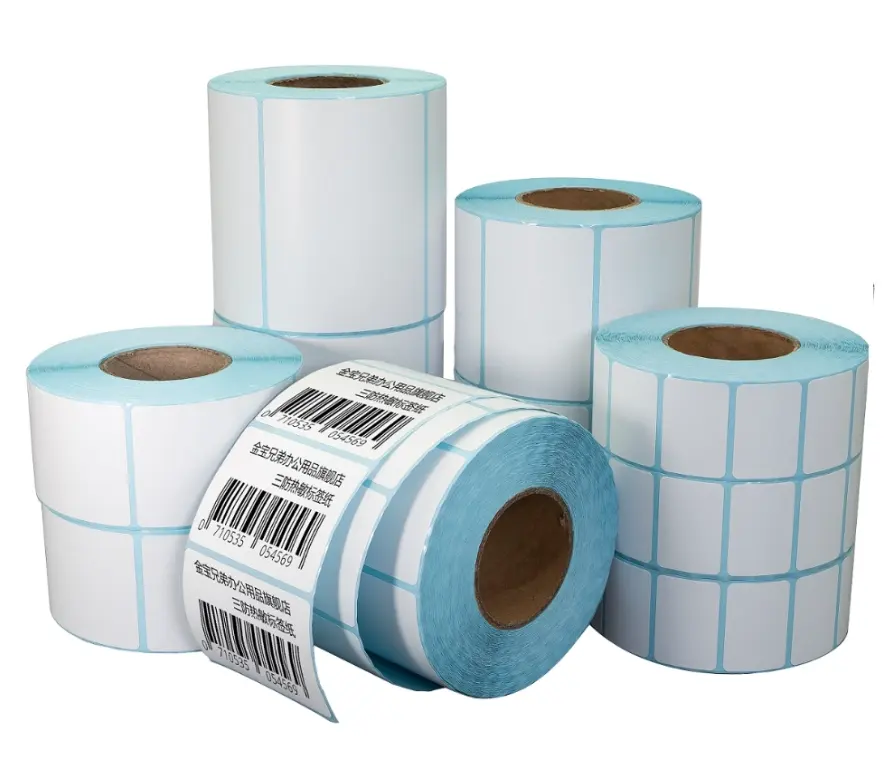
Shipping Label Size Guide, Full Dimension, Formats, and Printing Standards of Contemporary E-Commerce
Shipping can be simple at first glance, but the moment you print your first label, it gets technical. It is sizes, formats, printers, alignment, and even barcode placement; it all counts. The purpose of this shipping label size guide is to make it simple, convenient, and understandable, whether you run a small e-commerce shop or a warehouse.
The Importance of the Size of Shipping Labels
The choice of a suitable size of the label to be used in shipping packages is not merely concerned with the text to be printed on the paper. It affects the precision of scanning, speed of delivery, and even customer satisfaction. A label that is not well-sized can lead to:
• Barcode scanning errors
• Delivery delays
• Misrouted packages
• Data lost or illegible.
Modern logistics labeling systems are largely reliant on automation. It means that the dimensions of your shipping label must be related to courier services and barcodes.
Explained Standard Shipping Label Size
When you ask what the size of a shipping label is, the most popular answer is:
• 4 x 6 inches (100 x 150 mm)
This size is dominant in the global logistics for a reason. It balances between readability, barcode area, and printer compatibility.
Why 4x6 Works Best
• Supports all the shipping documentation labels.
• Ideal to put barcode labels.
• Supports a broad selection of thermal printing labels.
• Used in large courier systems.
Shipping labels are most effective and secure for most businesses, especially e-commerce, in the 4x6 size.
Popular Sizes of Shipping Labels You Should Know
The format of any business is not similar. Shipping labels of the following sizes are the most popular:
Popular Formats
- 4 x 6 inches, courier standard.
- 8.5 x 11 inches, full page printable shipping guide.
- A4 shipping label size guide, which is applied in the international markets.
- Half sheet (5.5 x 8.5 inches) that can be printed on office printers.
Any size will work, depending on your page layout to print labels and the type of printer you have.
Label Size in Shipping to E-Commerce Businesses
You should have a brand that is equal to your platform when you have an online shop.
Platform Requirements
- Amazon seller shipping labels, which are typically 4x6 to fit FBA.
- eBay shipping label size requirements are flexible, but optimized to 4x6.
- Shopify shipping label, customizable with default settings.
- Etsy shipping label size guide is compatible with A4 and thermal.
In order to enjoy a hassle-free e-commerce order fulfillment, it is best to adhere to industry standards unless your workflow dictates otherwise.
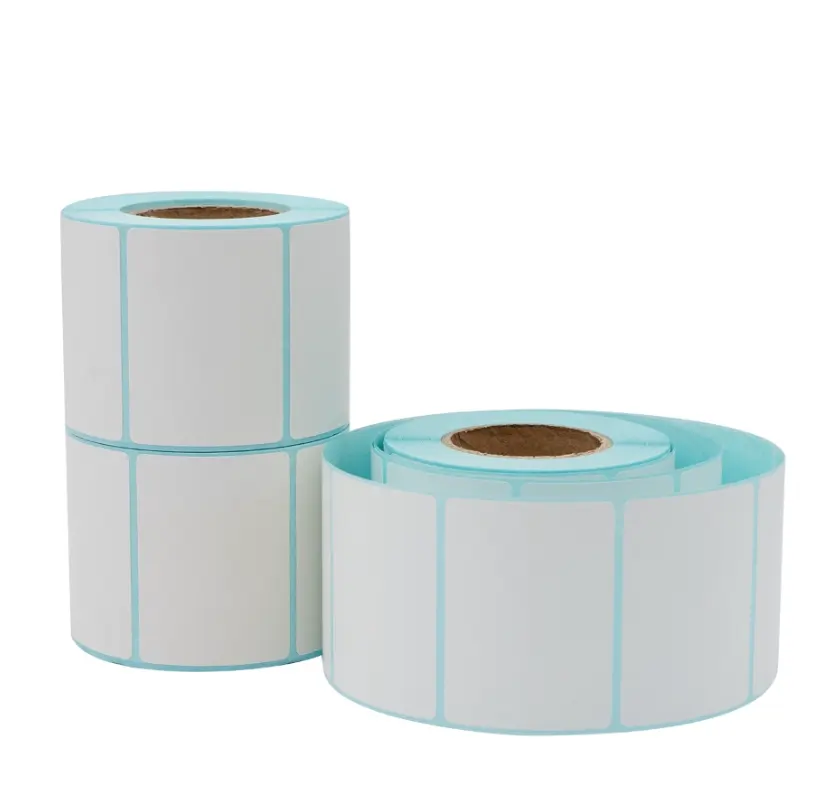
Choosing the Best Size of Shipping Label to Utilize in a Small Business
The question that small businesses often ask is what are the size shipping labels can be utilized in the day-to-day operations?
A simple breakdown is as follows:
Best Options
- 4x6 labels, which are thermal printer-perfect and have fast delivery.
- A4 sheets that are appropriate for low-volume printing.
- Brand and special packaging, to custom sizes.
The size of the shipping label for a small business will be determined by the size. Thermal 4x6 labels will be time-saving and reduce errors in case you are shipping on a daily basis.
Shipping Label Size Thermal Printers
Thermal printers are used in modern shipping. Key Advantages:
• No ink required
• Faster printing speeds
• Smudge-proof printing
• High durability
The most compatible size among devices is thermal shipping label size 4x6. Common industry product sizes like 80mm thermal labels, commonly used rolls are:
• Width around 80mm
• Clear print, high-sensitivity finishes.
• Strong sticky adhesives.
• Plain surfaces to scan barcodes.
Depending on your durability needs, these labels can be used with direct thermal or thermal transfer labels.
Inkjet and Laser Printer Labels Dimensions
Inkjet Label Compatibility
• Works on A4.
• Suitable for low-volume printing.
• Has to be dried to avoid smudging.
Laser Printer Label Sheets
• More appropriate to print in large quantities.
• Label heat-resistant material.
• Output of purifier on text-heavy labels.
Your shipping label for the laser printer should be of the same size as the sheet layouts to avoid misalignment.
Knowing About Label Dimensions and Technical Specifications
We will now proceed to the details with which professionals are concerned.
Key Measurement Factors
- Label width and height.
- Printable area dimensions
- Print margin settings
- Labeling space.
- Resolution and Quality
- Shipping label suggested DPI, 203-300 DPI.
- Increasing DPI improves the barcode readability.
- Required for logistics barcode scanning.
Your labels will print out just the way you want them to, with adequate scaling and centering of labels.
Material and Durability in Shipping and Packaging Labels
Common Materials
- Cheap, not very strong, paper labels.
- Sturdier, more weatherproof polyester labels.
Performance Features
- Waterproof label coating
- Smudge-proof printing
- Strong adhesive backing
In a severe environment, hard labels are applied to ensure that the packaging is up to the compliance standards.
Labeling and Printing Workflow
Shipping label format must be designed in a way that promotes efficiency.
Workflow Tips
• Standard-size label templates.
• Shipping label size must be similar to the PDF.
• Calibrate printers regularly
Printer Calibration of the Label
• Align print heads
• Adjust margins
• Sample print test.
These will reduce errors during the dispatch labeling process.
Selecting the Appropriate Shipping Label Size
Not yet certain, follow this rough guide:
Decision Factors
- Printer type: thermal, inkjet, or laser.
- Shipping volume
- Courier requirements
- Packaging size
Simple Rule
- To be fast and efficient, choose 4x6.
- When flexibility is a consideration, then use A4 sheets.
- Custom Size Shipping Labels.
- Sometimes, standard sizes are inadequate.
Customization Benefits
- Branding opportunities
- Unique packaging design
- Better product presentation
The differentiation of custom shipping labels is likely to be considered by the companies that contemplate expansion.
Smart Buying Tips
- Purchase shipping labels in bulk.
- Choose cheap shipping labels without compromising.
- Type of label to frequency of use.
Good purchasing will save on operational costs without affecting the performance.
How Shipping Labels are Changing in the Future
The market is evolving at a fast pace.
- Emerging Trends
- Smart labels with QR codes.
- Automation of label generation software.
- Connection with order management systems.
These innovations are shaping the present logistics label dimensions and procedures.
Conclusion
A great shipping operation starts with the right label. This shipping label size guide shows that even such a minor detail as size, material, and format can make a significant difference in efficiency and customer satisfaction. Choose well, print properly, and scale comfortably.
When you require a packaging as smart as it is powerful, think about smart packaging at Jin Bao, where innovation and performance come together. Your labels are not stickers, but your silent delivery partners.
We'll Get Back Within 24 Hours
Related Articles

Cash Register Roll Quality Testing: 7 Technical Parameters Buyers Should Check
2026-09-30

Custom Carbon Copy Paper Technology | Jinbao Brother
2026-09-30
How Long Do A4 Thermal Paper Rolls Last? Image Durability and Storage Explained
2026-09-29
Eco-Friendly A4 Thermal Printing Paper: Sustainability Trends and Recyclability
2026-09-29
