



 Home / News & Events /
 -
Share
-

-

-

-

Updated 5 months ago
OEM Thermal Paper Manufacturer: Buyers and Quality Insights
admin
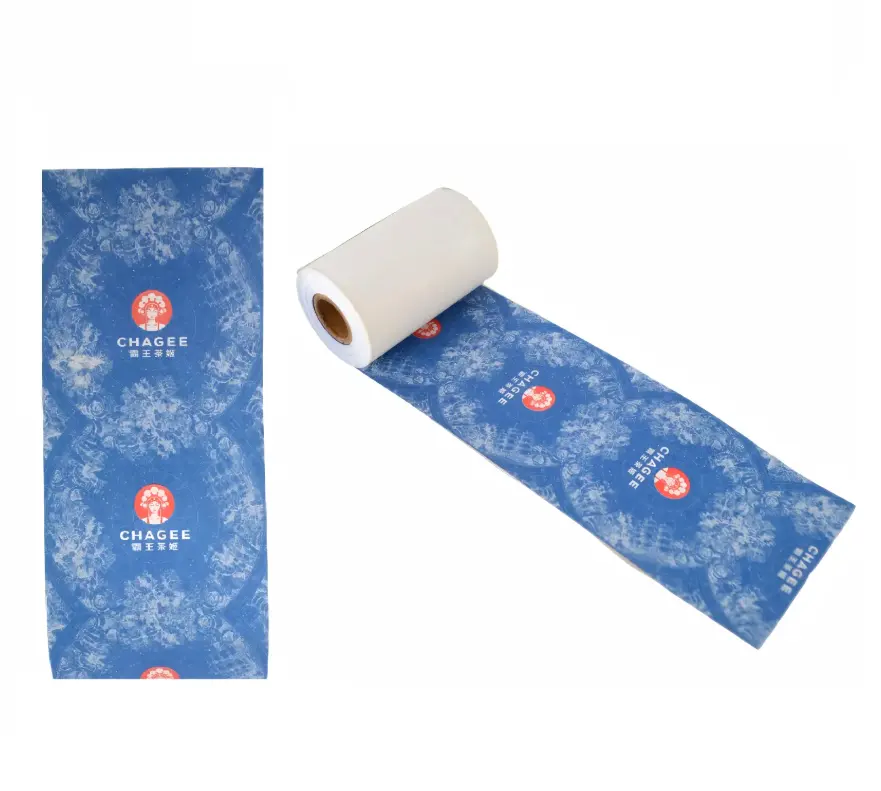
OEM Thermal Paper: Guide to Global buyers and E-Commerce Brands
Thermal paper propels day-to-day activities in retail, logistics, and e-commerce. It is used in all receipts, barcodes, and shipping labels. That is why the choice of an OEM thermal paper manufacturer is not an easy one. It affects the quality of print, the lifespan of the machine, and the customer experience. It also contains technical specifications employed by thermal paper OEM manufacturing firms and industrial thermal paper manufacturers.
Experience in OEM Thermal Paper Manufacturing
The suppliers of OEM thermal paper around the globe and their operations. OEM is an abbreviation that means Original Equipment Manufacturing. In thermal paper, it implies production, which is based on the needs of buyers, size, coating, and branding. Among the thermal paper manufacturing companies, OEM is involved with:
• Customized roll sizes and GSM.
• Privately labeled printing.
• Packaging design and branding
• Mass production for international customers.
Most manufacturers like Jin Bao Paper, which is an OEM thermal paper in the world, cater to the retail, ecommerce, and logistics industries with steady production.
Simple Production Technology of Thermal Paper
The technology of covering paper with thermo-reactive material and the process of manufacturing. The production process starts with the base paper and ends with coated rolls.
Key steps include:
- Wood pulp paper making.
- Heat-sensitive paper coating.
- Laying of chemical layers to react to prints.
- Slitting through paper, the slitting and rewinding process.
Significant Groups of OEM Thermal Paper Products
Options of direct thermal paper and coated thermal printing paper. There are various formats manufactured by manufacturers:
• Direct thermal paper to be used in POS and receipts.
• Thermal receipt paper is retailed by retail systems.
• Logistics thermal label paper roll.
• Barcode thermal paper for tracking systems.
They are supplied by thermal paper supply chain businesses and leaders in the printing paper manufacturing business.
Technical Characteristics that Determine Quality
High resolution and durability requirements of thermal printing. The thermal paper that is good must be subjected to rigorous performance tests. The main technical considerations are:
• High-resolution thermal printing to create sharp text.
• Thunder paper rolls to be used with thermal paper that is smudge-resistant.
• Thermal coating that is fade-resistant and allows long storage.
• Correctness of barcode scan to logistics systems.
• Transport stress, friction-resistant paper surface.
Such standards are typical of the worldwide thermal paper production sector.
The Way to Choose an OEM Thermal Paper Manufacturer
Step by step, the process of choosing an OEM thermal paper manufacturer:
- Check OEM thermal paper factory suppliers' capacity
- Check custom thermal paper manufacturing services.
- Create a rapid delivery thermal paper suppliers sponsor.
- Test print durability thermal paper standards
- Compare low-cost thermal paper suppliers.
- A trusted partner minimizes downtime and printing mistakes.
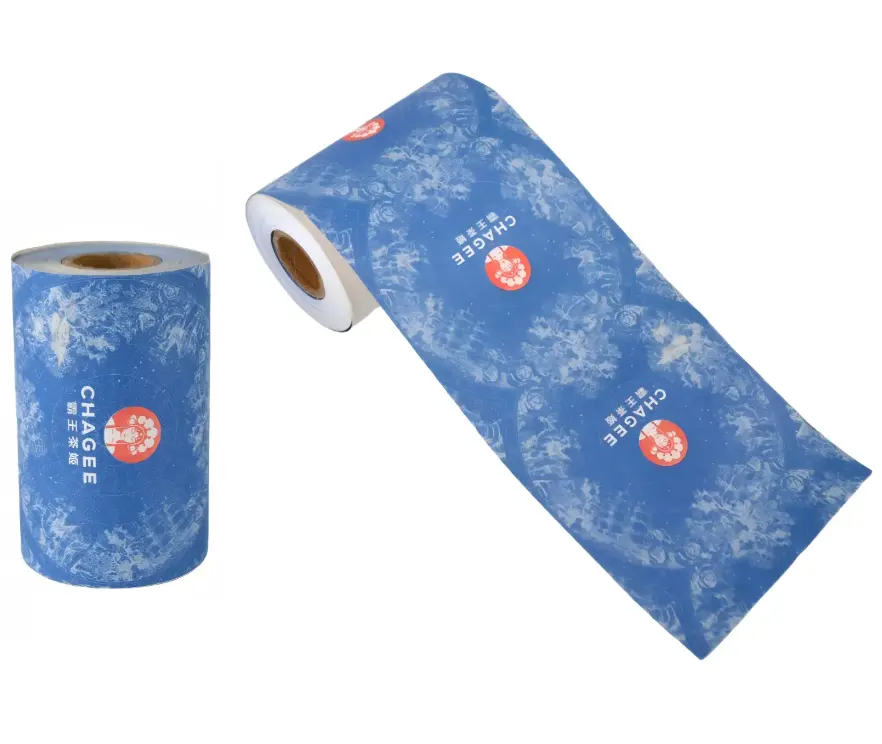
Direct Thermal Paper Vs Coated Thermal Paper
The two types have various applications.
Direct thermal paper:
• No ribbon needed
• Fast printing speed
• Used in POS systems.
Coated thermal paper:
• Longer shelf life
• Better heat resistance
This analogy is critical in the decision to label and receive paper suppliers.
E-Commerce and Logistics Applications
Shipping labels in e-commerce are being put into practice as paper solutions. The thermal paper facilitates the contemporary e-commerce flow. It is used in:
- Printing of materials to meet orders.
- Printing paper systems in warehouses.
- Paper rolls: Inventory tracking.
- Courier and parcel labeling paper.
These systems are based on trusted POS system thermal paper suppliers.
Thermal Paper Production Quality
Explained quality standards in the production of thermal paper. Strict rules are followed by powerful manufacturers:
• Safety testing and ISO certification.
• BPA-free chemical control
• Dust-free production environments
• Constant thickness control of the coating of stables.
These are key in thermal paper production companies and printing consumables manufacturers.
Testing of Thermal Paper Performance Testing
Barcode readability testing suppliers and real checks. Before bulk supply, testing should be done.
Tests include:
• Heat exposure stability
• Moisture resistance
• Barcode scan speed
• Print fade duration
• Label adhesive bonding performance.
These guarantee trusted industrial printing consumables providers' output.
OEM Thermal Paper Production Sustainability
Eco-friendly thermal paper materials and safe production. Contemporary consumers are attracted to safe materials.
Leading manufacturers use:
- Production of thermal paper without the use of BPA.
- Thermal paper rolls that can be recycled.
- Coating materials of the biodegradable paper.
- Low-impact production processes
Thermal paper that is environmentally safe. These minimize environmental risk and promote green supply chains.
Thermal Paper Manufacturing Cost Vs Quality
The cost vs quality explanation of the production of thermal papers. Check the balance between:
• Price and thickness of paper.
• Speed vs quality of coating.
• Print clarity/roll cost.
The smart customers are interested in the long-term worth as opposed to low supply.
Trends in the Thermal Paper Manufacturing Industry
With the growth in demand, the industry is changing.
Key trends include:
• Increase in international e-commerce packaging.
• Increase in the number of suppliers of barcode printing papers.
• BPA-free materials.
• The rise of providers of digital printing paper technology.
• More production of their own labels by OEMs.
Such trends affect the future supply chains.
Emphasize Jinbao Paper OEM Solutions
Jinbao Paper is an excellent rival in the OEM production.
- OEM color on thermal paper, printed.
- Material, 100% pure wood pulp.
- Packing 50-200 rolls in a carton.
- Service, OEM, ODM, free sample
Key advantages:
- SGS tested and BPA-free coating.
- Clear print of barcode and QR codes.
- Waterproof, oilproof, alcoholproof properties.
- Certified production line that is ISO9001.
Rolls that are dust-free and can be smoothed out.
They provide support to the production of thermal paper under their own label, bulk supply solutions of thermal paper, and OEM thermal paper production on behalf of international clients.
Evaluation Parameters of Thermal Paper Suppliers
The thermal paper suppliers' checklist is a checklist of evaluation criteria. Check before final order:
• Print quality in actual use.
• Power of adhesive on the package.
• Heat response consistency
• MOQ and speed of delivery.
• Certification and compliance
This reduces risk in the companies in the thermal paper supply chain.
Conclusion
The choice of the right OEM thermal paper manufacturer increases the rate at which printing is done, reduces errors, and eases the flow of business. Good thermal paper will guarantee good scans and long-term usage in both retail and logistics systems. Jin Bao Paper provides stable OEM, powerful coating technology, and flexible customization to world buyers.
We'll Get Back Within 24 Hours
Related Articles

Cash Register Roll Quality Testing: 7 Technical Parameters Buyers Should Check
2026-09-30

Custom Carbon Copy Paper Technology | Jinbao Brother
2026-09-30
How Long Do A4 Thermal Paper Rolls Last? Image Durability and Storage Explained
2026-09-29
Eco-Friendly A4 Thermal Printing Paper: Sustainability Trends and Recyclability
2026-09-29
