



 Home / News & Events /
 -
Share
-

-

-

-

Updated 4 months ago
A4 Thermal Paper Selection Guide: What to Look For and Why It Matters
admin
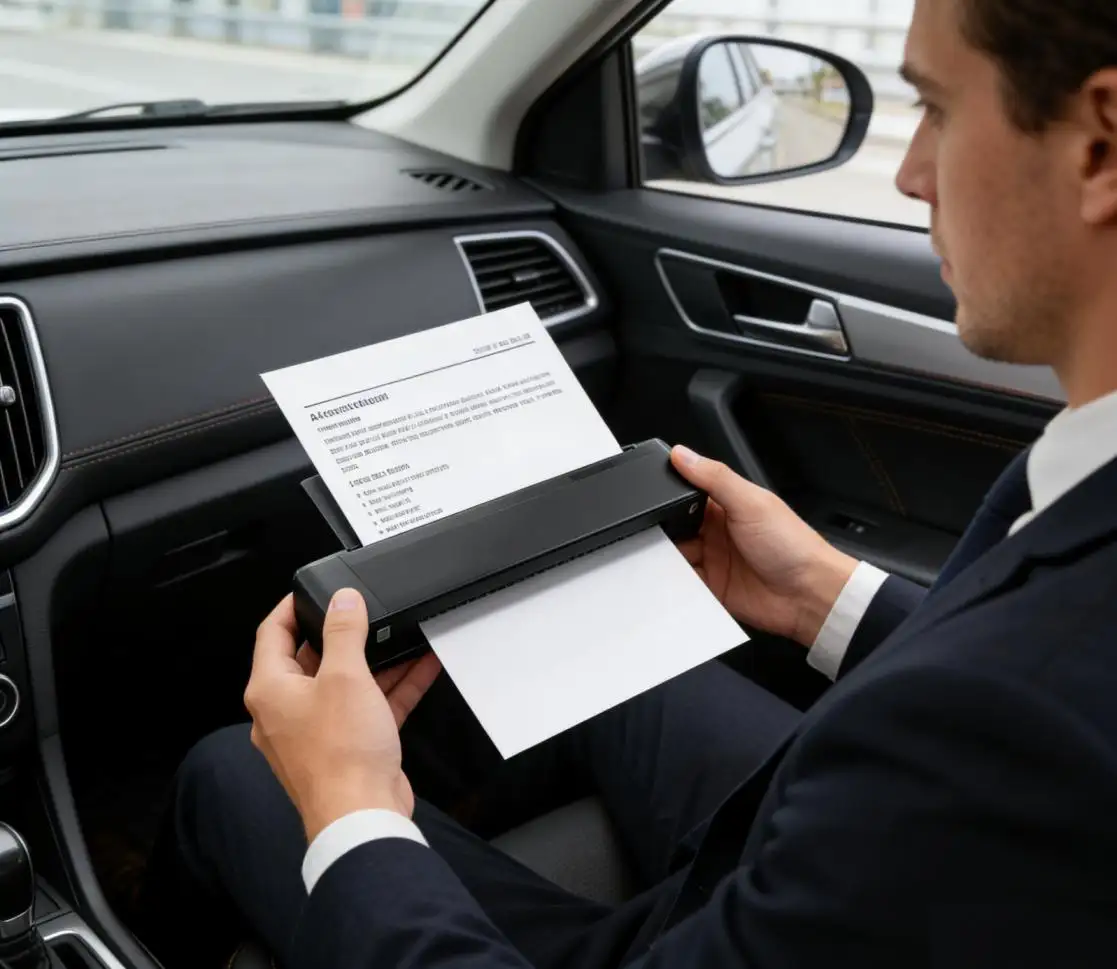
At a size of 210 x 297mm, A4 thermal paper has become essential for the workings of many contemporary offices. By the year 2025, more than 30% of the global market for thermal paper will be comprised of A4 thermal paper. With these changes, how can you choose the optimal product? With this guide, we put you in the best position possible by breaking down everything you need to buy A4 Thermal Paper.

What is A4 Thermal Paper?
A4 thermal paper is a type of paper that has a special coat that can form characters/images through the application of heat, rather than through the use of ink. A paper that is constructed this way will have, in addition to a base paper layer, a precoat layer and a thermal coat layer. The reactive chemicals (dye, developer, and sensitizer) that will trigger a color change (turning black) when heated, are added to the thermal coat layer. The special coat layer will react to the heat from a thermal printer's print head, thus forming the image.
✅ Key advantage: A4 thermal paper requires only a thermal printer for use, no ink, toner, or ribbons.
Why Use A4 Format?
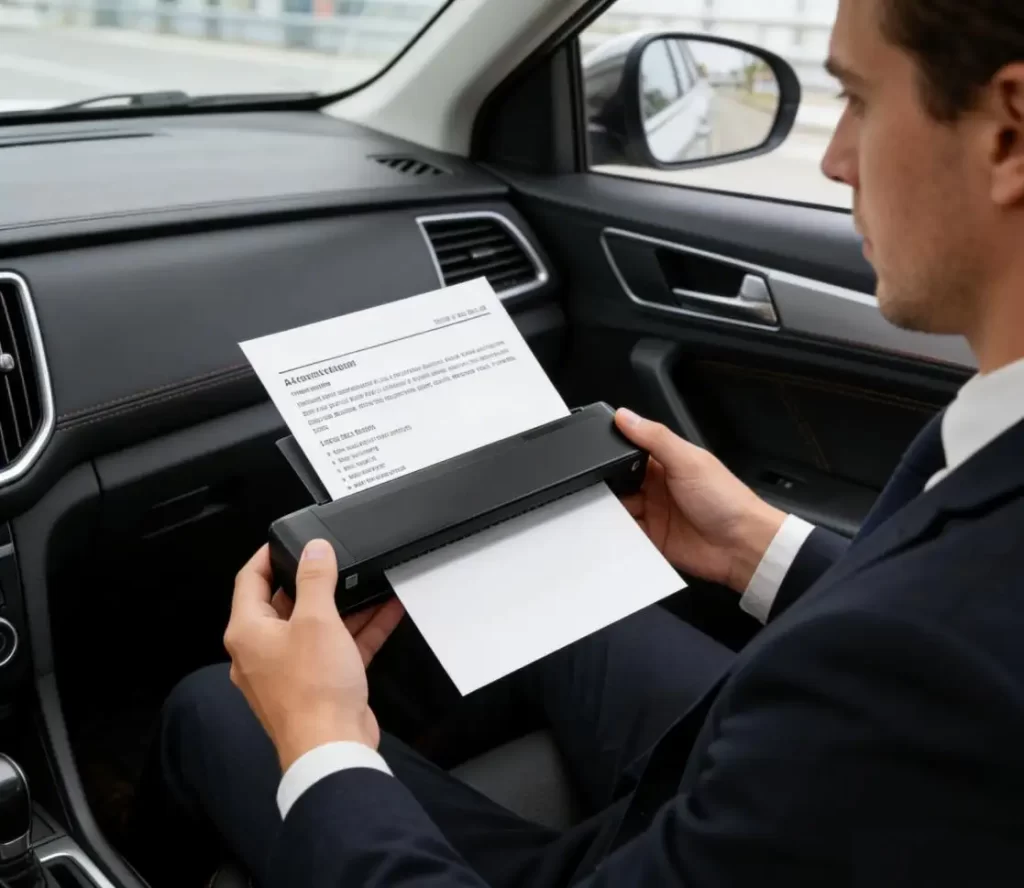
A4 Comprises all the benefits of standard and off standard sizes of paper. A4 thermal paper gives you the flexibility to print full size documents on the go. Field agents, business travelers, and other groups benefit greatly from this technology. Portable thermal printers empower users to produce high quality, professional documents any time and any where without the burden of carrying a bulky, traditional printer.
7 Considerations When Buying A4 Thermal Paper
1. Consider Printer Compatibility
For A4 thermal paper to be used in a printer, the printer should specifically document the type of paper it requires. Direct thermal paper is dangerous to the printer as this type of paper is uncoated. A4 thermal paper is used in portable A4 thermal printers from HPRT, Phomemo, Brother and Munbin, but be sure to verify the suggested paper for your specific printer.
2. Paper Weight
A4 thermal paper is available in a range of weights. Paper can weigh as little as 40 gsm or as heavy as 80 gsm. Lighter paper, 40 -55 gsm, is less expensive and is suitable for more general, everyday use. Heavier paper, 60 -80 gsm, is more resistant to curling and more durable. Documents that are more important, especially contracts, should be printed on paper that is at least 60 gsm.
3. BPA-Free and Eco-Friendly Formulation
Standard thermal papers use BPA or BPS, which are not safe as they are known to cause hormone disruption. A BPA FREE Eco-Friendly Thermal Paper Roll uses safer and alternative, BPA FREE, developing agents, which makes them safer for food contact and everyday use. A4 thermal paper that is BPA FREE gives you better safety for your employees and customers, and a better choice for the environment.
4. Print Sharpness and Paper Durability
The best quality thermal paper yields sharper text and images, better QR codes and bar codes. Each grade of thermal paper has a different thermal coating, affecting the final image retention and print resolution. Typical grade thermal paper will retain prints for 2 to 3 years. Premium grades can hold prints for 10 years (or longer, depending on storage conditions). For longer term, legible documents, consider using a paper grade with higher image retention.
5. Protective Coatings
Most premium A4 thermal paper comes with more than one additional layer of protection. Thermal paper protects prints from water, grease, and alchohol. These are especially useful for shipping labels and certain kitchen and industrial applications.
6. No Dust, No Jams
Low grade papers shed dust and other fibers that cause prints to degrade and printers to require more maintenance. Premium A4 thermal papers shed no dust. They are manufactured with a dust free process. Using a paper grade that contains 100% pure wood pulp will ensure that the paper will print properly.
7. Paper Format
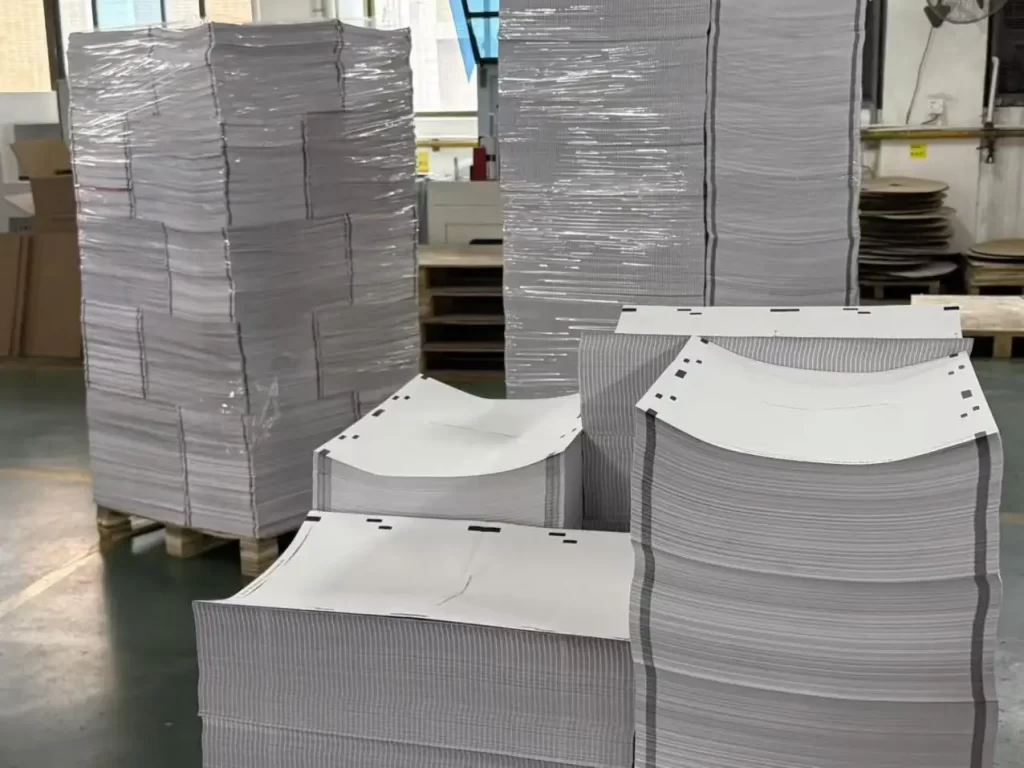
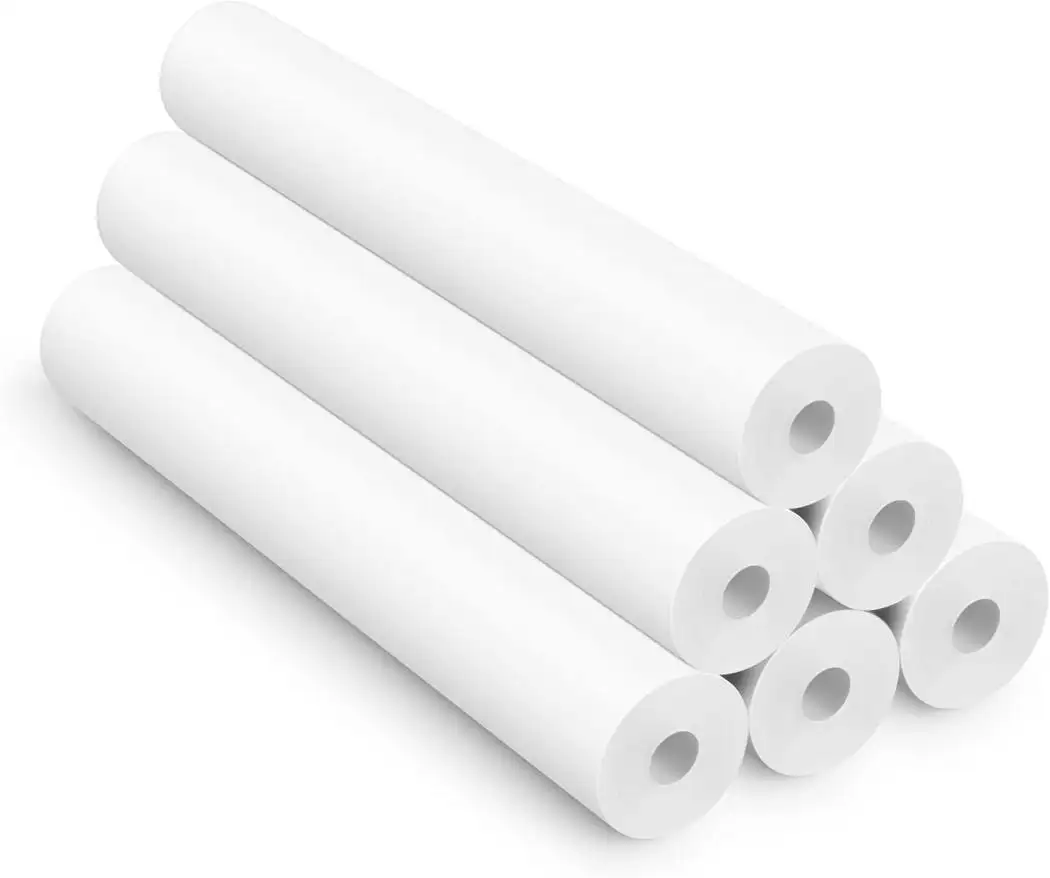
A4 thermal paper can be found in rolls or sheets. For portable printers, rolls are best. For in office use, sheets are best. Consider how much space you have and how much you will print when buying thermal paper. Options for the number of rolls range from 50 to 200 per carton. For businesses with unique needs there are custom options.
The Rise of Sustainable A4 Thermal Paper
The thermal paper industry is seeing a dramatic shift with sustainability. By 2025, the market for eco-friendly thermal paper is projected to be 15-20%, and since the trend is for consumers to choose the greener options, that number will grow larger. The global thermal paper market, valued at USD 4.08 billion in 2024, will reach USD 5.22 billion by 2030.
Of high demand are cost efficient, environmentally safe and BPA free Eco-Friendly Thermal Paper Rolls. These products utilize non-harmful chemical formulations and sustainable raw materials and don't compromise the quality of printing.
Why Choose Jinbao Brother for A4 Thermal Paper
With over 34 years of experience in the paper manufacturing business, Jinbao Brother earns trust in their business relationships. Here are the reasons for the superior quality of their A4 thermal paper:
- BPA-Free & Eco-Safe Certification: Jinbao Brother has SGS testing and BPA/BPS Free Lab Certification. Their thermal paper also meets the safety of food contact and eco-safety and is excellent choice.
- Excellent Print Quality: A4 thermal paper from Jinbao Brother makes clear images of text, barcodes and QR codes that helps make professional documentation and logistics easy.
- Full Customization: Jinbao Brother offers OEM and ODM options for multiple sizes from 42–65 gsm in paper (options for color and packaging as well), providing the best solutions for their global customers.
- Dust-Free Rolls: Their rolls guarantee the quality of printing with no jams, being made from 100% pure wood pulp and ISO9001 Certified.
- One-Stop Service : Jinbao Brother's chain of supportive services starting from consultation and ending at delivery, means that your business gets efficient solutions at every corner of the globe.
Final Thoughts
Understanding the features of A4 Thermal Paper does not have to be a hassle. Determine what filters to decide upon based on the parameters of what suits your needs. The paper's environmental features also play a big role. BPA-free and other certified eco-friendly options help us to find a better environmentally safe solution.
Jinbao Brother provides quality A4 thermal paper, for anything from important documents to shipping labels, or printing thermal reports. Jinbao Brother leads the competition for tailored thermal solutions due to their years of experience and expertise.
Ready to upgrade your A4 thermal paper? Choose quality, choose safety, choose performance.
FAQs
Q1: What is the lifespan of prints on A4 thermal paper?
Standard prints on thermal paper can last for approximately 2–3 years. Premium grade papers may last for 10 years or longer if they are kept away from heat and sunlight.
Q2: What does BPA-Free mean for thermal paper?
Paper that is BPA-Free means that it does not use Bisphenol A (BPA) or Bisphenol S (BPS) as developers. BPA-Free papers are safer for more frequent handling and even food-contact applications.
Q3: Is thermal paper that is waterproof needed?
It is needed if your documents are likely to come in contact with moisture or chemicals. Thermal paper that is standard grade is not waterproof.
Q4: Is it possible to get a custom size roll with custom packaging?
Yes, many manufacturers are happy to provide OEM/ODM services for custom sized rolls with custom sized packaging.
Q5: What is the best way to store thermal paper rolls that I am not using?
Keep thermal paper rolls in a cool dark location that is away from heat sources. Direct sunlight and chemical sources should also be kept away. Ideally the temperature should be kept below 25°C (77°F).
We'll Get Back Within 24 Hours
Related Articles
Cash Register Roll Quality Testing: 7 Technical Parameters Buyers Should Check
2026-09-30

Custom Carbon Copy Paper Technology | Jinbao Brother
2026-09-30
How Long Do A4 Thermal Paper Rolls Last? Image Durability and Storage Explained
2026-09-29
Eco-Friendly A4 Thermal Printing Paper: Sustainability Trends and Recyclability
2026-09-29
