



 Home / News & Events /
 -
Share
-

-

-

-

Updated 9 months ago
2026 Guide: How to Choose Wholesale Copy Paper Manufacturers (100% Virgin)
admin
Your 2026 print performance and cost base track with your wholesale paper partner. Pick one built for stability - uniform quality, dependable supply, and fair pricing over time. The wrong choice raises jam rates, reprints, returns, and hidden logistics costs. This guide sets a clear, practical path to select suppliers that meet professional standards for 100% virgin stock, brightness, certifications, fair pricing, MOQs, lead times, and post-sale support.
Why 100% Virgin Wood Pulp Should be the Baseline
If you manage high-volume printing - offices, schools, distribution hubs, POS terminals - paper consistency determines uptime. Sheets produced from 100% virgin wood pulp deliver stronger fibers, cleaner formation, and a smoother surface. In practice, that means sharp text edges, fewer toner flecks, lower lint, and less stress on fusers and rollers.
Common red flags many buyers encounter:
•Dusty, filler-laden paper that coats feed paths and contaminates imaging components.
•Curl or waviness that causes misfeeds, skewed prints, and ragged stacks.
•Inconsistent fiber blends that alter density and tone from batch to batch.
Make virgin content non-negotiable. Request a formal furnish statement and recent mill lab data. Ask for production-lot samples and run them across your actual laser, inkjet, and high-speed devices. With true virgin stock, you should see crisp outlines, uniform opacity, and noticeably lower lint. For A4 copy paper and jumbo rolls, the workhorse weights are 70 gsm, 75 gsm, and 80 gsm - light enough to be economical, stiff enough to run cleanly, and suitable for everyday text, charts, invoices, and teaching materials.
How to Read the Specs: Brightness, Smoothness, Thickness
Specs translate directly to image clarity and machine behavior. When reviewing Wholesale Copy Paper Manufacturers, focus on optical values, surface smoothness, and caliper (thickness). Then match those figures to your print environment.
- What to Ask for - and How to Interpret It:
•Whiteness (ISO): 95% - 110%. Higher whiteness increases contrast and keeps fine lines and small fonts legible against a clean background.
•CIE Brightness: 154 - 166. CIE is a standardized measure of perceived brightness. Higher readings help color accents pop and improve grayscale fidelity.
•Smoothness (Bekk): roughly 22 - 30 s for office grades. Smoother surfaces lower friction and dust, improving feed reliability and toner bonding.
•Thickness: about 102 - 110 μm in the 70 - 80 gsm range. Adequate caliper improves opacity, reduces show-through, and supports neat duplexing.

- Choosing by Application:
•70 - 75 gsm: Best for internal runs, frequent drafts, and cost-sensitive daily printing.
•80 gsm: Better for client-facing documents, project binders, and records requiring extra stiffness and stability.
Ask manufacturers about tolerance bands - and confirm they can hold them at scale. Smoothness in the mid-20s Bekk typically reduces streaking and misfeeds. Whiteness toward the higher end (up to 110%) elevates contrast for invoices and marketing packs. A stable 102 - 110 μm thickness supports clean stacks, smoother high-speed runs, and consistent duplex results.
- Certifications and Sustainability You Can Verify
Certifications aren't box-ticking. They reflect process control and risk reduction across your supply chain.
•ISO 9001: Signals disciplined quality management, corrective actions, and continuous improvement.
•ISO 14001: Third-party confirmation that environmental processes are documented, implemented, and reviewed for water, energy, and waste.
•FSC: Third-party verification that fiber inputs are responsibly sourced and traceable through the supply chain.
Ask for up-to-date certificates, audit schedules, and traceable records. Check that test methods map to recognized standards, that lots are tracked, and that corrective actions truly prevent recurrence. Plants with end-to-end in-house capabilities - from pulp selection through coating, jumbo roll slitting, and final packaging - usually run tighter and let fewer defects escape because fewer handoffs are outsourced.
Sustainability is equally important in regulated markets and for brands pursuing ESG targets. FSC-certified virgin pulp helps ensure responsible forestry. ISO 14001 signals controlled effluent and energy use. Together, these reduce compliance risk and strengthen your sustainability reporting.
Pricing, MOQs, Lead Times, and the Support That Protects Your Operations
Total supply cost is more than the headline price. Wholesale Copy Paper Manufacturers should be upfront about drivers such as pulp indices, energy, packaging, logistics, and currency exposure. They should also set MOQs that match your warehouse footprint and throughput, and scale production for seasonal peaks without forcing excess inventory.
Assess total landed value, not only the ex-works price.
•Mill-direct programs: tighter QC, competitive pricing, and faster escalation paths.
•Lead-time assurance: container allocations confirmed and dispatched within days when inventory and schedules align.
•OEM/ODM: custom dimensions, brand assets, and print parameters across finished A4 and jumbo.
•Qualification: complimentary, production-representative samples for in-house device trials.
•Export readiness: reinforced, humidity-resistant cartons; multiple pack formats. End-to-end documentation, freight bookings, and customs brokerage.
•Service framework: multilingual after-sales, rapid incident response, RCA transparency, and straightforward replacement options - value beyond price.
Calibrate MOQs to monthly demand. Verify safety stock, replenishment lead times, and capacity reserves to scale without compromising shipment-to-shipment quality.
Your Wholesale Copy Paper Partner: Why Jin Bao Brother
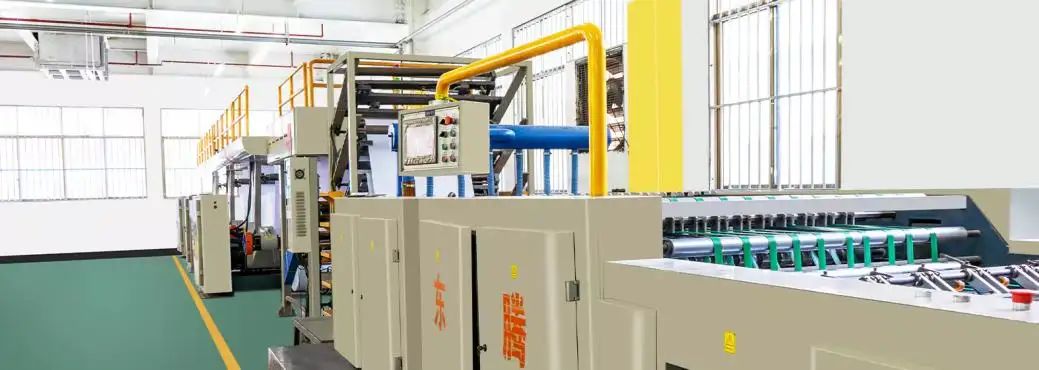
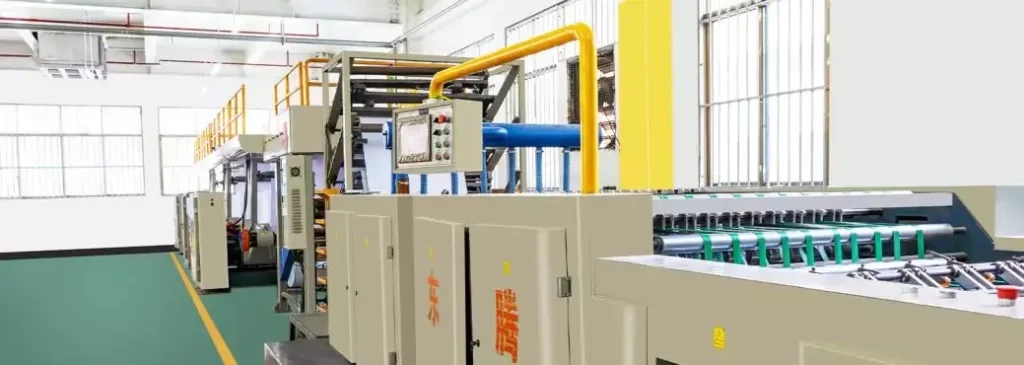
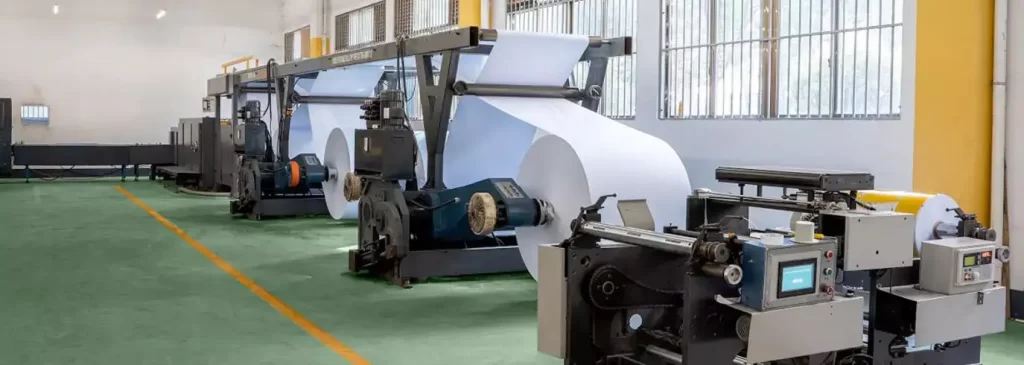
From our mill to your machines - factory-rooted since 1992, with decades of practical experience serving office paper needs. The company runs integrated in-house lines for thermal paper coating, jumbo roll slitting, and finished-goods packaging. That integration, combined with a direct factory supply model, supports consistent quality and competitive, transparent pricing.
Product coverage includes copy paper, cash register paper (thermal and non-thermal), carbonless NCR paper, and self-adhesive label stock. Formats range from jumbo rolls to custom-cut sheets for offices, schools, supermarkets, POS systems, and logistics operations. Its A4 copy paper is produced from 100% virgin wood pulp, with go-to grammages of 70 gsm, 75 gsm, and 80 gsm. Optical and surface parameters are tuned for reliability: whiteness up to 95% - 110%, smoothness in the 22 - 30 s Bekk range for clean feeding, and tight thickness control suitable for high-volume duplex printing.
Jin Bao Brother exports across the Middle East, Europe, South America, Africa, and Asia, and has worked with well-known brands such as Double A, Starbucks, Deli, McDonald's, and Walmart. When inventory and schedules permit, lead times for full-container shipments can be as fast as three days.
•OEM/ODM covers bulk wholesale and custom B2B printing
•1 - 3 ply NCR carbonless customization for forms and logistics
•Free, production-true samples to validate print performance
•Certifications: ISO 9001, ISO 14001, FSC
•Controls: rigorous QC, environmental stewardship, chain-of-custody for stable specs and compliance
•Multilingual foreign trade team: multiple export packaging options, shipping solutions, full handling of documents, bookings, and customs clearance
Call to Action for 2026
If you are screening Wholesale Copy Paper Manufacturers for 2026, request free samples and a detailed specification sheet from Jin Bao Brother. Hold a quick spec check to lock GSM mix, brightness thresholds, and packaging rules. Stress-test lead times and reserve capacity before seasonal spikes. Build a resilient supply chain that shields print quality and margins.
- How to Choose With Confidence
Treat supplier selection as a structured process rather than a gamble. Insist on 100% virgin stock. Read the optical and surface specs and match them to your applications. Verify ISO and FSC credentials and look for factory integration that keeps variability in check.
Require price transparency, MOQs matched to forecast, swift lead times, and accountable after-sales service. Conduct on-site device testing and measure cross-lot stability. Best-in-class wholesale copy paper manufacturers will meet these controls at scale. Through structured audits and supplier transparency, you'l lock in stock that delivers clean print quality, process reliability, and brand consistency across 2026.
We'll Get Back Within 24 Hours
Related Articles

Cash Register Roll Quality Testing: 7 Technical Parameters Buyers Should Check
2026-09-30

Custom Carbon Copy Paper Technology | Jinbao Brother
2026-09-30
How Long Do A4 Thermal Paper Rolls Last? Image Durability and Storage Explained
2026-09-29
Eco-Friendly A4 Thermal Printing Paper: Sustainability Trends and Recyclability
2026-09-29
