



 Home / News & Events /
 -
Share
-

-

-

-

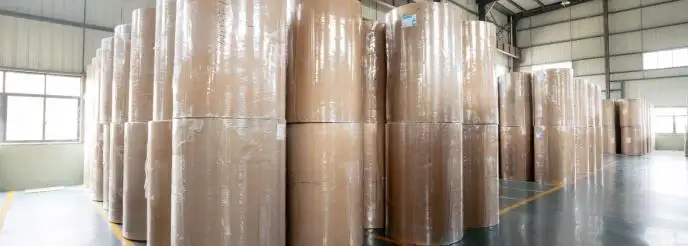
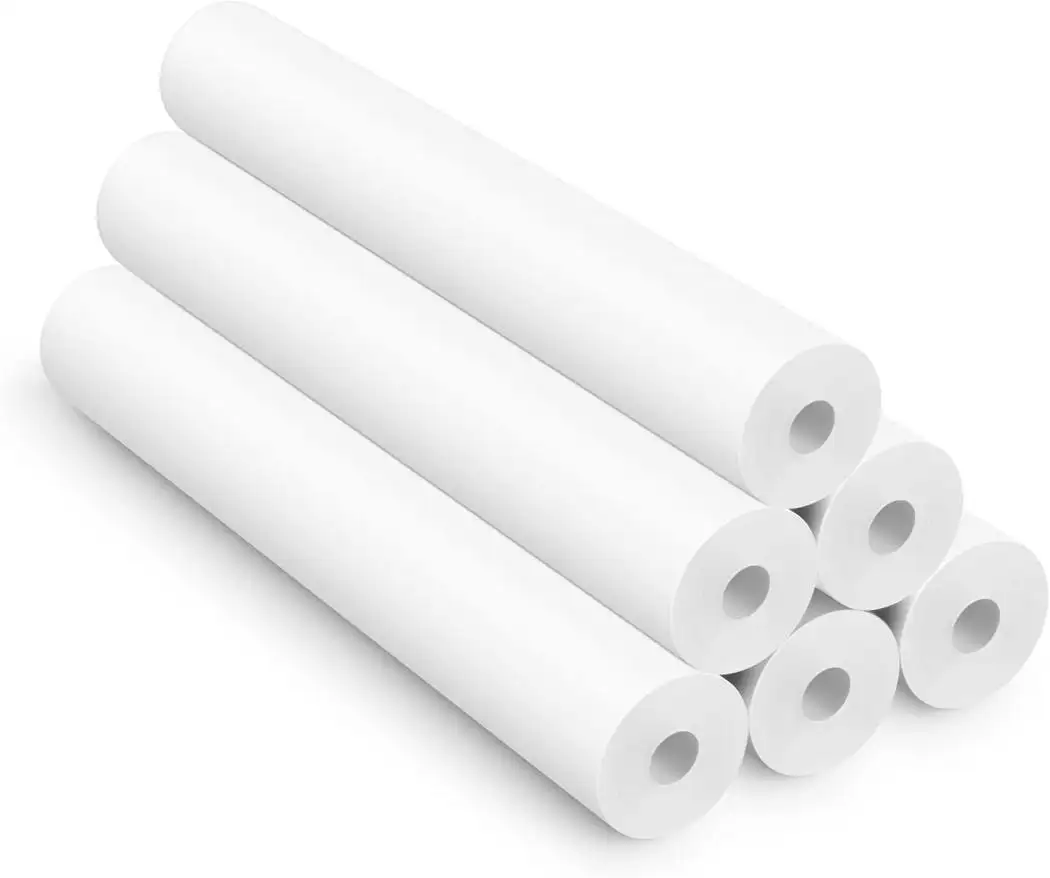
Thermal Paper Rolls BPA Free last longer when chemistry, coating, and care work in concert from production to point of use.
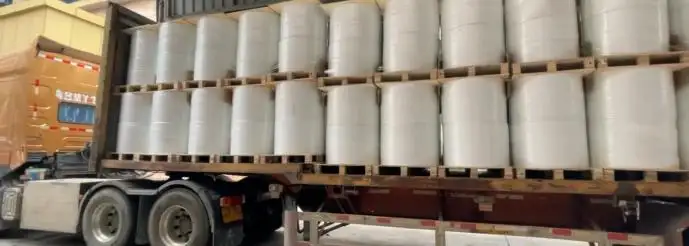
What are Thermal Paper Rolls BPA Free?
Thermal paper uses heat to form text and barcodes. It has a base paper, a reactive thermal layer, and often a protective topcoat. In Thermal Paper Rolls BPA Free, the developer that reacts with the color former contains no bisphenol A. This change improves safety while maintaining stability and print clarity. It also enables long-term readability when paired with proper handling.
BPA was once used because it produced strong, dark images with low energy. Many regions now restrict or discourage BPA due to regulatory and health concerns. Modern BPA-free grades use safer developers and refined stabilizers. They achieve comparable density and better fade resistance in everyday conditions. A premium topcoat adds extra defense against moisture, oils, and abrasion, which are the primary threats in retail and logistics workflows.
- How the Image Forms
A thermal head applies heat in fine dots. Heat melts microcapsules or a solid matrix in the coating. The color former and developer meet and form the image, which then cools and locks in place. A well-engineered BPA-free system balances melting point, reaction speed, and stabilization so the image sets fast and resists background darkening.
- Why BPA Was Used and What Replaced It
BPA was a strong, low-cost developer. BPA-free science moved to alternative developers and co-developers. Phenol-free developer architectures - often urea or sulfone-based - are formulated with elevated antioxidant levels and UV absorbers. A surface topcoat functions as a contamination barrier to skin oils and plasticizers, improving thermal and photostability and handling resistance while eliminating phenol legacy effects.
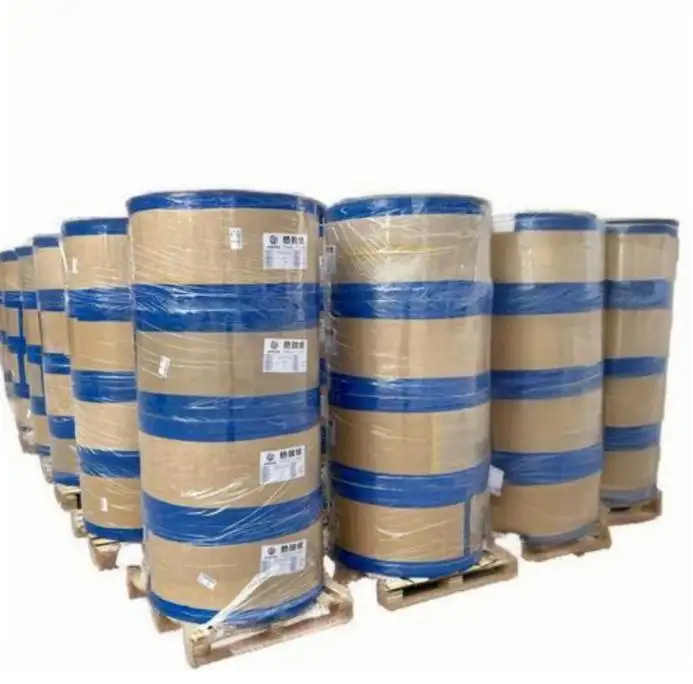
Principles of Extended Readability: Chemistry and Surface Engineering
Service life is controlled by coating resistance to routine mechanical and environmental stress. Thermal Paper Rolls BPA Free that demonstrate strong performance exhibit three characteristics. First, the developer system is phenol-free and thermally stable. Second, the coating is uniform and anchored to a smooth base, which lowers dust and improves head contact. Third, a topcoat acts as a barrier against water, UV, and solvents.
These design choices address field failures that frustrate users. Fading from dashboard heat. Smearing from food oils or hand sanitizers. Background darkening in humid storerooms. Barcodes that scan poorly after a week in a pouch. A robust BPA-free formulation aims to lower these risks. It uses tighter particle sizing and cleaner binders. It reduces residual solvents. It optimizes melting range so the print is crisp at normal energy, yet stable above ambient temperatures.
A lesser-known factor is plasticizer migration from PVC sleeves. Phenol developers are sensitive to plasticizers. BPA-free and phenol-free systems reduce this risk, especially with a high-density topcoat. Another subtle factor is oxidative gas exposure during transit. Modern stabilizers slow oxidation, which preserves density and contrast for longer shelf life.
Storage and Handling That Extend Readability
Good practice after production is as important as chemistry. Thermal Paper Rolls BPA Free retain image density when kept within controlled ranges and away from aggressive materials. Temperature and humidity are the first levers. Keep cartons in a cool, dry area. Avoid UV and direct sunlight. Protect the coated side from contact with adhesives or plasticizers.
• Store at 18 - 25°C with moderate humidity around 45 - 60% RH to slow background darkening.
• Keep rolls in original wrap until use to block dust, light, and ozone.
• Exclude PVC pouches and soft vinyl from storage to avoid plasticizer contamination.
• Prevent fresh prints from contacting thermal label adhesive to avoid image offset/lift.
• Implement FIFO inventory to keep image color and density consistent.
• Handle the coated surface by its edges to limit exposure to skin oils and alcohol-based cleaners.
• Acclimate rolls to the press room before loading to lessen curl and feed issues.
- Environments to Avoid
Avoid closed, hot spaces such as car dashboards or near heat vents. Keep away from solvents, alcohol hand gels, and cleaning sprays. Keep stocks away from high-pH papers and freshly printed toner sheets to avoid contact marking. For archival retention, use acid-free envelopes and avoid laminates with non-archival adhesives. In transit, elevate pallets and shield against moisture wicking.
Printer Settings for Consistent Imaging
Thermal Paper Rolls BPA Free are built to perform at specific printhead energy levels. Correct printer settings control heat, contact pressure, and speed. The goal is a sharp, high-contrast image using the minimum energy that yields full density. Too much heat can over-melt the coating. It can cause feathering, dark background, and shorter life.
• Set darkness one or two steps above default only if needed to hit target optical density.
• Reduce speed slightly for small text and 2D barcodes to stabilize dot formation.
• Use the correct DPI mode for the task; 300 dpi improves barcode edges where required.
• Enable energy-saving ramps if available so the head cools between lines in dense areas.
• Clean the print head on a defined schedule to remove dust and coating residue.
• Check platen pressure; excessive pressure adds abrasion and accelerates head wear.
• Align media sensitivity profiles with the paper grade so the printer does not overheat zones.
- Calibrate Once, Save for Months
Run a short media-calibration routine whenever you switch to a new Thermal Paper Rolls BPA Free grade. Print a test grid and a barcode at your operating speed. Measure contrast and scan rates. Save the profile in the device. This reduces rework, paper waste, and supports predictable fade resistance over the life of the roll.
How Thermal Paper Rolls BPA Free Stay Readable Longer
Durability is a system outcome. The coating must be strong. The printer must apply controlled energy. The environment must not attack the image. When all three align, receipts and labels stay clear and scannable much longer. This matters in retail returns, chargeback disputes, warranty claims, and cold-chain tracking.
Topcoat chemistry is key. A premium topcoat limits water vapor diffusion and blocks oils. It adds scratch resistance that protects fine barcode modules. It also anchors anti-UV additives near the surface. Together these layers keep the color-former and developer locked and less reactive after imaging. That lowers the rate of density loss and background increase, which is why well-designed BPA-free grades can match or exceed legacy BPA media in typical use.
A final note concerns archive expectations. “Longer” means different things across sectors. In quick-service retail, 6 - 12 months of legibility may be enough. In banking and healthcare, records may need to remain readable for several years. Confirm the archive rating of the grade you select. Pair it with storage envelopes designed for thermal media. Test with your cleaning routine and your labels, since chemistry interactions vary by site.
How We Support Durable, Eco-Safe Receipts
Our BPA-free thermal paper rolls for POS, ATM, and register systems combine durable imaging with sustainable materials. With a fast-response, fade-resistant coating, they help cut reprints, ensure reliable scanning, and support audited processes - customized to your brand and devices.
• 35 - 80 gsm choices for the right feed performance and rigidity
• Jumbo lengths up to 24,000 meters to optimize converting and limit changeovers
• Premium thermal coating plus protective topcoat for smear and UV protection
• Full OEM/ODM support and complimentary samples for print qualification before mass production
These capabilities address common pain points in the field. Mixed device fleets need papers that load cleanly and print at consistent density. High-throughput plants look for long, stable jumbos that keep speeds up and dust down. Retail and banking endpoints require BPA-free papers that won't degrade under frequent sanitizers or light. We tailor media, device settings, and adhesive pairings to protect legibility at the point of use.
Call to Action
Ready to extend receipt life and reduce reprints? Request free samples of our Thermal Paper Rolls BPA Free and run a 7-day print-and-store trial under your actual conditions. Our team will help you set optimal darkness and speed, select the right GSM, and confirm barcode performance. Contact us to schedule a quick consultation and receive tailored OEM options that protect your brand and your records.
We'll Get Back Within 24 Hours
Related Articles
Cash Register Roll Quality Testing: 7 Technical Parameters Buyers Should Check
2026-09-30

Custom Carbon Copy Paper Technology | Jinbao Brother
2026-09-30
How Long Do A4 Thermal Paper Rolls Last? Image Durability and Storage Explained
2026-09-29
Eco-Friendly A4 Thermal Printing Paper: Sustainability Trends and Recyclability
2026-09-29
