



 Home / News & Events /
 -
Share
-

-

-

-

Updated 8 months ago
Thermal Paper Factory Direct (2026): What Drives Clear Printing?
admin
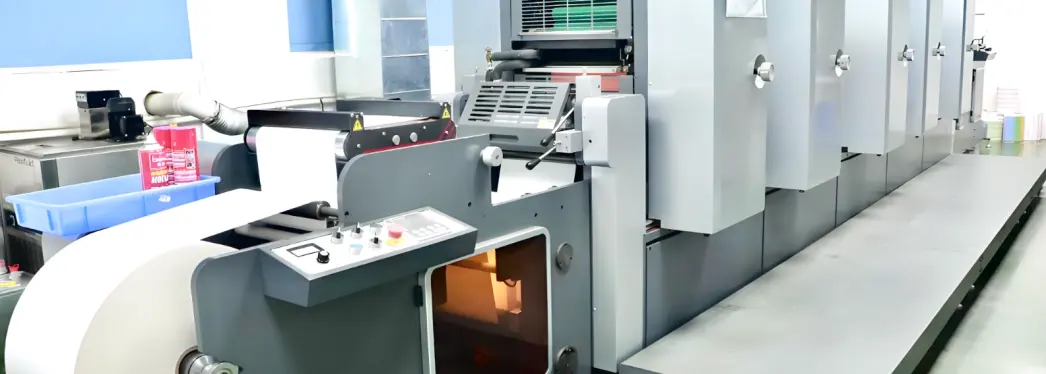
Thermal Paper Factory Direct (2026) purchasing is no longer just “buying rolls”—it is about protecting print clarity, reducing printer downtime, and keeping receipts readable in real workflows. At Jin Bao Brother, we have focused on paper manufacturing since 1992, and we operate a direct supply model built on in-house thermal coating, jumbo roll slitting, and finished roll packaging. This full-process control matters because clear printing is not something you “hope for” after the container arrives. It is the result of stable materials, consistent coating behavior, and inspection habits that catch small drift before it turns into complaints at the counter.
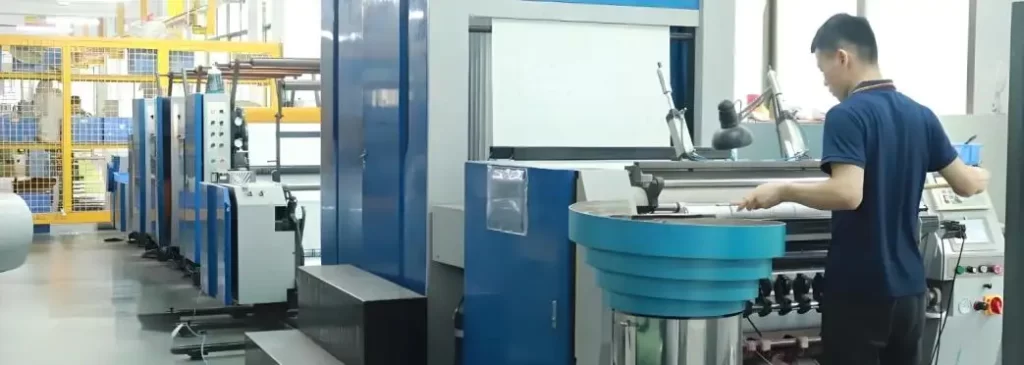
Many buyers learn this the hard way. A roll can look fine in a quick test, then fail in daily use: the barcode becomes light on high-speed printers, the logo shifts slightly from batch to batch, or the paper starts curling inside a compact device. Those issues are rarely “printer problems.” More often, they are roll behavior problems—tolerance, coating consistency, winding tension, and storage protection working together (or working against you). This guide is written for beginners and practical buyers. It explains what drives dark, sharp printing, why smooth feeding is measurable, and how to start a purchasing program with less risk.
Clear Printing Starts With Heat Response, Not With “Darker Ink”
Thermal paper prints because a heat-sensitive coating reacts to the printhead. That means the output depends on how evenly the coating responds to heat—not on ink, toner, or a one-time test sample. If the coating layer is uneven, the receipt may show patchy areas, fuzzy edges, or inconsistent darkness, especially when the printer runs fast or when the device is set to lower energy to protect the head.
Beginners often judge quality by one fresh receipt printed in a calm setting. Real operations are different: busy shifts, different operators, different printer models, and long runs where heat builds and paper dust accumulates. In real workflows, the key question is simple: does the roll print consistently from the first meter to the last, across devices, without forcing the printer to increase heat?
When you source Thermal Paper Factory Direct, it helps to evaluate the roll in three layers:
• Base Sheet Quality: paper uniformity, cleanliness, and strength
• Coating Performance: heat response consistency, image formation, abrasion resistance
• Mechanical Behavior: feeding stability, winding tension, edge quality, and curl control
If one layer is weak, the printer “compensates” by running hotter, slowing speed, or printing inconsistently. That creates small daily costs: reprints, scanning failures, jam resets, and unnecessary maintenance.
Why Virgin Wood Pulp and Wood Free Base Paper Matter
A stable thermal roll starts with the base paper. At Jin Bao Brother, many customers select 100% virgin wood pulp, wood free thermal paper because the base sheet influences both coating stability and the way the roll behaves inside the printer. A cleaner, more uniform base allows the coating layer to sit and react more evenly. That is one reason consistent darkness is easier to maintain across batches.
Base paper also affects dust. Paper dust is a quiet cause of printhead contamination, sensor errors, and uneven feeding. When dust builds on guides and heads, you often see lighter printing, streaks, and jam warnings that seem “random.” In many cases, the paper itself is the root cause.
Our rolls are designed for high-frequency usage such as POS receipts, ATM slips, logistics bills, and retail tickets. The goal is not just a dark receipt today. The goal is repeatable performance that keeps barcodes scanning and small fonts readable without pushing the printer to run hotter than it should.
• Cleaner base sheets often reduce dust and improve head cleanliness
• A more uniform surface supports steadier heat response
• Better mechanical strength supports tighter winding and fewer feeding errors
If your market values scannability and long shift stability, the base sheet is not a detail. It is the foundation.
What Smooth Feeding Really Means in POS, ATM, and Logistics Use
“Smooth feeding” should never be treated as marketing language. It is a measurable result of roll dimensional accuracy, edge alignment, winding tension, and surface friction. A printer pulls paper through guides under fixed conditions. If the roll fights those conditions, you get skewing, curling, sensor errors, and jam cycles.
Here are the most common causes of feeding instability:
• Width Tolerance Drift: slightly off-size rolls can pull unevenly and skew in the channel
• Rough Edges: imperfect slitting can scrape guides and trigger jam errors
• Bad Winding Tension: loose or uneven winding can telescope, deform, or loosen in transit
• Edge Curl Or Core Issues: paper curl and weak cores can create drag and misalignment
That is why “standard sizes” still require discipline. Sizes like 80×80 mm and 57 mm are common, but they are not automatically safe. If tolerance control is weak, the same nominal size can behave differently from batch to batch.
With Thermal Paper Factory Direct supply, what you are really buying is repeatability: the factory’s ability to reproduce the same roll behavior every time, not just deliver one good sample that looks fine in a short test.
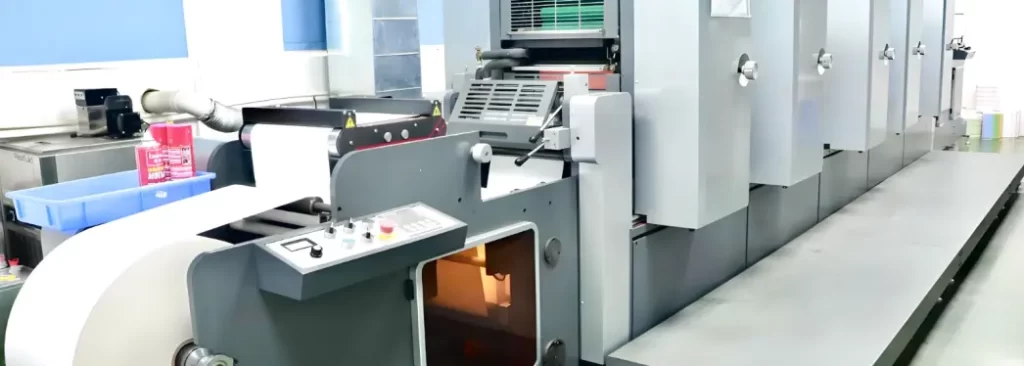
Full-Process Quality Control That Protects Print Quality
Reliable thermal rolls are produced by preventing defects from moving forward. Strong QC is not about writing “quality guaranteed” on a brochure. It is about building checkpoints that stop drift early—before it becomes a shipment problem.
At Jin Bao Brother, quality control is built into the workflow from raw material selection to finished packaging:
• Raw Material Check: base paper consistency, cleanliness, and basic strength
• Coating Checks: coating uniformity, heat sensitivity, smoothness, abrasion resistance
• Printing Checks (For OEM Rolls): alignment, clarity, and visual consistency across batches
• Slitting And Rewinding Checks: edge quality, width tolerance, winding tension, roll tightness
• Packaging And Shipment Checks: moisture protection, dust control, sealing integrity
In cutting, a practical “triple check” approach helps keep roll dimensions stable:
• Pre-Cutting Inspection: width, thickness, diameter, surface condition
• Mid-Cutting Inspection: edge smoothness, length precision, real-time alignment
• Post-Cutting Inspection: appearance, dimensions, and heat response before packing
Packaging is often underestimated. Even good paper can perform worse if it absorbs moisture, collects dust, or gets crushed during transit. That is why packaging checks should include not only count and appearance, but also protection performance. The goal is simple: rolls should arrive ready to run, not “recover” in a warehouse for weeks.
Practical Product Options for Beginners: Match the Roll to the Job
A beginner-friendly selection method is to match the roll type to the usage scenario first, then refine the spec (size, GSM, coating grade, and packaging). Jin Bao Brother supports a broad set of thermal roll products across categories, including:
• POS Thermal Paper Rolls (retail counters, restaurants, daily receipt printing)
• Thermal Receipt Paper Rolls OEM (branded programs, ATM receipt applications)
• Thermal Printer Paper Roll (general-purpose formats such as 57 mm rolls)
• Custom Printed Thermal Receipt Paper Rolls (logos, QR messages, promotions)
• Color Thermal Paper (tickets, special workflows, differentiated sorting)
Instead of choosing by price alone, choose by operational demand:
• POS Counters need fast printing and consistent density during peak hours.
• Logistics needs scannable barcodes and steady feeding during high-volume runs.
• ATMs need reliable handling in enclosed devices where jams are costly to service.
If you are unsure, start with one core size that dominates your market, then test it across your real devices before expanding SKUs. A smart program begins narrow, validates performance, then scales.
OEM Packaging, Bulk Supply, and a Simple Next-Step Plan
A direct factory partner should do more than ship cartons. For importers, wholesalers, and brand owners, the real value is execution: correct specs, consistent batches, and packaging that fits how you distribute and sell. We support OEM/ODM services including printed branding, customized packaging, and bulk replenishment planning. With in-house coating, slitting, and packaging, we keep control inside the factory so output stays consistent across repeat orders.
If you want to reduce risk when starting a Thermal Paper Factory Direct program, use a simple rollout plan:
• Share your printer models, usage scenario, and target roll sizes (such as 80×80 mm or 57 mm)
• Choose plain rolls or custom printed rolls based on branding needs and daily volume
• Test samples under real workload conditions (continuous runs), not one quick receipt
• Lock one stable specification first, then expand to more SKUs once performance is proven
A practical sampling approach also improves decision quality. Instead of printing one receipt and calling it done, run a short “stress test” across your main devices. Print typical content (small fonts, barcodes, QR codes, logos) and watch feeding behavior as the roll runs down. This reveals the issues that only show up in real use: edge curl, drag changes, dust build-up, and density drift.
CTA: For cleaner receipts and fewer operational interruptions, choose Thermal Paper Factory Direct sourcing with Jin Bao Brother. Send your target roll size, end-use (POS/ATM/logistics), and packaging preference. We’ll recommend a dependable spec, provide samples, and support long-term bulk delivery.
We'll Get Back Within 24 Hours
Related Articles

Cash Register Roll Quality Testing: 7 Technical Parameters Buyers Should Check
2026-09-30

Custom Carbon Copy Paper Technology | Jinbao Brother
2026-09-30

How Long Do A4 Thermal Paper Rolls Last? Image Durability and Storage Explained
2026-09-29
Eco-Friendly A4 Thermal Printing Paper: Sustainability Trends and Recyclability
2026-09-29
