



 Home / News & Events /
 -
Share
-

-

-

-

Updated 8 months ago
Printed Thermal Paper Roll Supplier: Food-Contact Grade Options (FDA)
admin
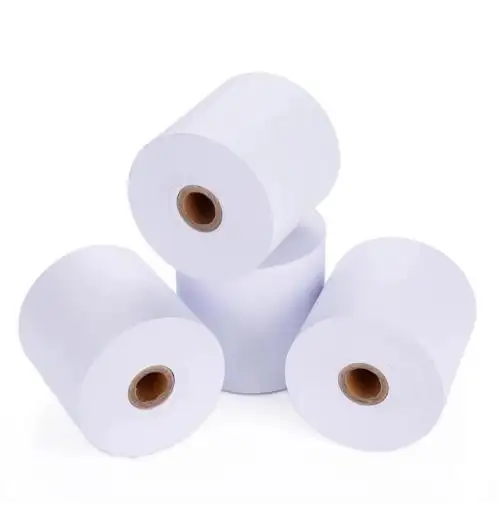
Printed Thermal Paper Roll Supplier searches often start with a simple need—receipts, order tickets, or labels—but the standard changes fast when paper enters food-service workflows. In kitchens, takeaways, and packing stations, thermal paper is handled constantly. It may touch food packaging, prep surfaces, or the gloves and hands that handle products. In these environments, buyers increasingly request FDA food-contact grade options to reduce uncertainty and support safer handling practices.
At Jin Bao Brother, we manufacture thermal cash register paper rolls and related thermal printing materials for retailers, POS integrators, logistics teams, and food-service brands. This guide is written for beginners who want a clear path: what “food-contact grade” means in daily operations, when you should ask for it, and how to choose the right roll specification without overspending. We also introduce our JB-2025 series and explain how our certifications and material choices translate into practical advantages for real customers.
What Food-Contact Grade Thermal Paper Means in Real Workflows
Food-contact grade should not be treated as a slogan. It is a purchasing decision made to reduce handling risk in specific use cases. In a busy restaurant, an order ticket can move from front counter to kitchen line in seconds. In takeaway operations, receipts are often stapled onto bags. In delivery kitchens, labels may be printed beside food packaging and applied immediately. These are not rare situations. They are daily routine.
For a Printed Thermal Paper Roll Supplier, the key responsibility is clarity. Food-contact grade options are designed for environments where paper is more likely to be used near food packaging workflows. It does not mean every thermal roll is intended for direct contact with food, and it does not replace local compliance reviews. However, it gives procurement teams a safer baseline when operations involve high-frequency contact and strict hygiene expectations.
At Jin Bao Brother, our FDA food-contact grade options are typically offered as specific models within a broader product line. Buyers can match the grade to the correct application—receipts, tickets, or labels—while keeping procurement consistent across multiple stores or warehouses. This approach prevents a common mistake: using one generic roll for every department, then discovering later that compliance requirements differ between retail counters, kitchen stations, and shipping desks.
Why BPA/BPS-Free Paper Became a Default Requirement
Thermal printing works because the print head reacts to the coating layer on the paper. The benefit is speed and clean output. The risk, historically, was that some thermal papers used chemicals that buyers later wanted to avoid. That is why BPA/BPS-free has become a standard request for modern supply programs—especially when paper is used in high-contact settings.
Jin Bao Brother provides SGS-tested BPA/BPS-free options so customers can reduce exposure concerns and align with internal procurement standards. For many buyers, this is not only a safety conversation. It is also a business efficiency conversation. When the product spec is clearer, approval is faster, and procurement becomes easier to manage across regions.
Here is how BPA/BPS-free selection often helps customers in practical terms:
✅ Faster vendor approval for supermarket groups and restaurant chains
✅ Fewer compliance questions when expanding into new markets
✅ Better fit for kitchens, takeaways, and high-contact counter service
✅ Easier communication when customers ask about “safer receipts”
A reliable Printed Thermal Paper Roll Supplier should be able to explain BPA/BPS-free status in plain language, support it with test documentation, and recommend the right paper grade for your printer type. The wrong match can create problems that look like “printer issues” but are actually specification issues—such as curl, feeding instability, or weak print density.
Choosing the Right Size and GSM Without Overbuying
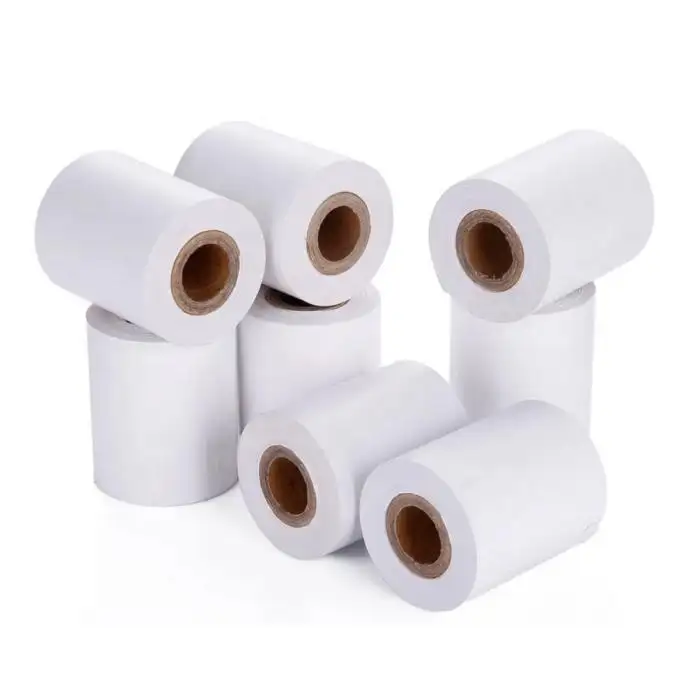
Many first-time buyers focus on one question: “Do I need 57mm or 80mm?” That question matters, but it is only one part of the decision. A better approach is to match width + GSM + roll construction to the job, your printer model, and your handling environment.
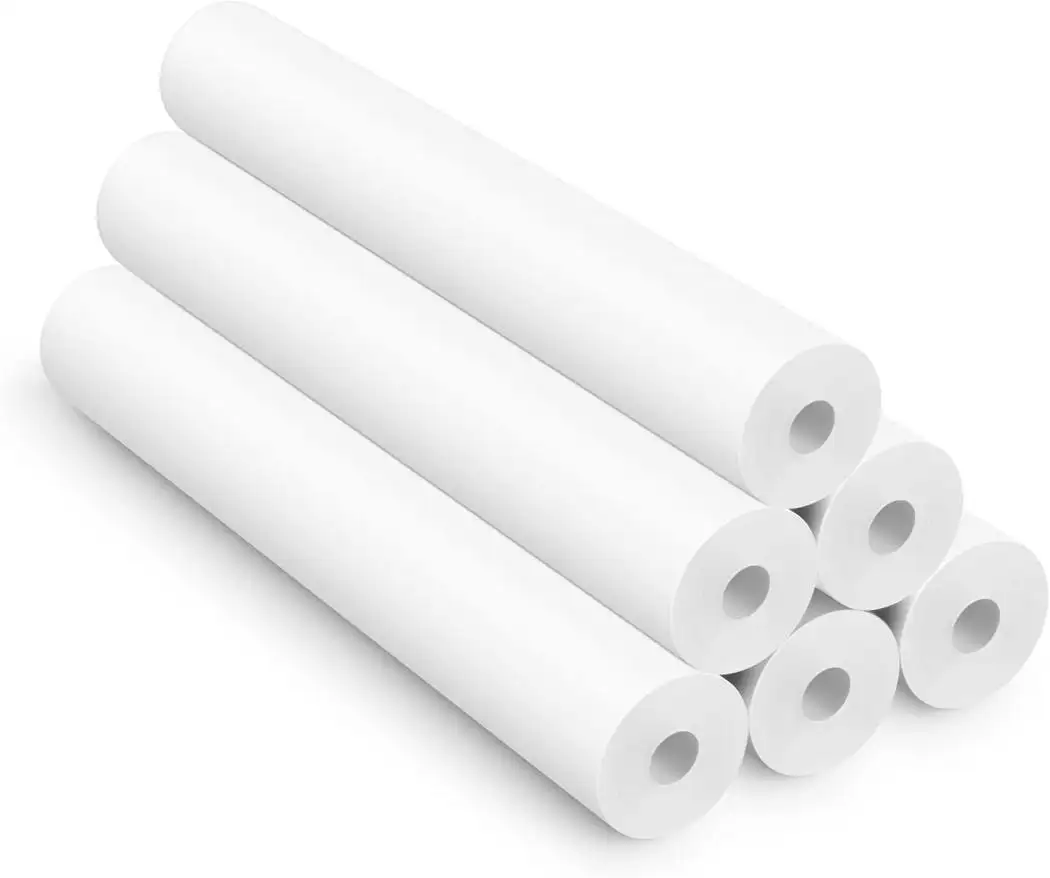
Jin Bao Brother’s JB-2025 thermal cash register paper roll program includes common formats used globally:
• Paper width options: 57mm, 80mm, 2 1/4 inches, 3 1/8 inches
• Paper weight range: 42gsm to 75gsm
• Material: thermal material with 100% virgin wood pulp paper
• Core types: cardboard core, plastic core, or coreless
• Color: white or painted options (depending on order plan)
A beginner-friendly selection logic looks like this:
✅ Choose 57mm for compact receipt printers and smaller counters
✅ Choose 80mm for longer receipts, clearer QR codes, and wider layouts
✅ Choose mid-range GSM when you want a balance of stiffness and cost
✅ Choose higher GSM when receipts must stay readable after heavy handling
The goal is not to buy the highest specification. The goal is to buy the right stability for your workflow. For example, if receipts are frequently folded, stored, or transported, GSM and coating quality matter more than beginners expect. If your roll is too light for your usage, you may see curling, feeding problems, or reduced print consistency, especially at high speed.
At Jin Bao Brother, we design JB-2025 rolls to run smoothly across common POS systems, cash registers, and thermal printers. We focus on flatness, stable feeding, and consistent coating behavior because these details reduce jams, reduce reprints, and protect print head performance over time.
Certifications That Make Procurement Easier Across Markets
Many buyers do not purchase thermal paper for one country only. A distributor may serve multiple regions. A retail group may operate across borders. An e-commerce seller may ship into several markets. In these cases, compliance is not “extra.” It is what makes scaling possible without constant requalification.
As a Printed Thermal Paper Roll Supplier, Jin Bao Brother supports international procurement through a combination of management system certifications and product-level compliance:
✅ ISO9001: supports stable quality processes and consistent output
✅ ISO14001: supports environmentally focused production management
✅ RoHS & REACH compliance: reduces hazardous substance concerns for global trade
✅ FDA food-contact grade options: supports food-service and packaging workflows
For the customer, the benefit is simple and measurable. Documentation reduces friction. When your internal compliance team can approve one supplier line with consistent references, you spend less time re-auditing for each store, warehouse, or integration project. You also reduce the risk of “mixed paper sourcing,” where different sites quietly buy different grades and your print performance becomes inconsistent across the brand.
Typical Use Scenarios for FDA Food-Contact Grade Options
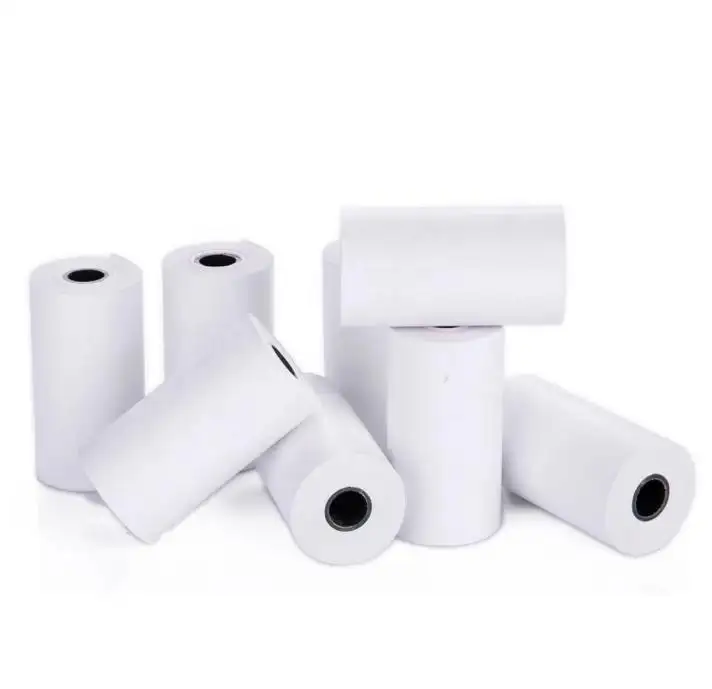
Not every operation needs food-contact grade. But many operations benefit from it when paper is used close to packaging and food-service workflows. Buyers often choose it to standardize one supply plan and reduce surprises during audits or customer inquiries.
Common application scenarios include:
These products fit high-throughput printing environments across several sectors:
• Food & Beverage
Used for order tickets and packaging-related labels in restaurants, kitchens, and takeaway operations where pace and consistency matter.
• Retail & POS
Used for receipts in supermarkets and chain retailers, particularly in fresh departments with constant customer flow.
• Logistics & Shipping
Used for shipping labels and barcode tracking in courier, wholesale, and e-commerce fulfillment settings.
• Healthcare & Medical
Used for lab reports, ECG strips, and medical labels where print clarity protects accuracy.
• Home & Personal
Used for personal documentation, DIY printing, and preserving key household records.
These use cases share one requirement: print must stay sharp under speed, and paper must behave predictably. That is why we emphasize smooth surface quality and lint-free performance. When paper sheds less dust, print heads stay cleaner, and barcode clarity remains more stable across long print runs.
OEM Customization, Lead Time, and a Practical Next Step
Most procurement teams want consistency. Many brands also want differentiation. Jin Bao Brother supports OEM & ODM to help distributors, retail groups, and POS solution providers create a scalable thermal paper program with their own identity.
Common customization requests include:
✅ Custom sizes and core diameters (including 57mm, 80mm, and more)
✅ Private label printing for branding and SKU management
✅ Custom packaging options (shrink wrap, box, carton)
✅ Roll length and coating choices (standard or top-coated options)
We support free samples and testing orders so customers can confirm compatibility before large-volume purchasing. For planning purposes, our delivery timeline is typically 15–20 days after order confirmation, depending on quantity. We also support practical trade terms including EXW, FOB, and CIF, and we export via Shenzhen Port from Guangdong, China.
CTA (Call-to-Action):
If you are selecting an FDA food-contact grade option and want a Printed Thermal Paper Roll Supplier that can support compliance, stable print performance, and OEM branding, contact Jin Bao Brother to request a free JB-2025 sample pack. Send your printer model, roll width, and application details. We will tailor a GSM and coating recommendation, enabling you to evaluate print density, barcode performance, handling resistance, and feeding stability with confidence before your container order.
We'll Get Back Within 24 Hours
Related Articles
Cash Register Roll Quality Testing: 7 Technical Parameters Buyers Should Check
2026-09-30

Custom Carbon Copy Paper Technology | Jinbao Brother
2026-09-30
How Long Do A4 Thermal Paper Rolls Last? Image Durability and Storage Explained
2026-09-29
Eco-Friendly A4 Thermal Printing Paper: Sustainability Trends and Recyclability
2026-09-29
