



 Home / News & Events /
 -
Share
-

-

-

-

Updated 7 months ago
Jumbo Thermal Paper for Printers GSM Explained: What 2026 Buyers Must Know
admin
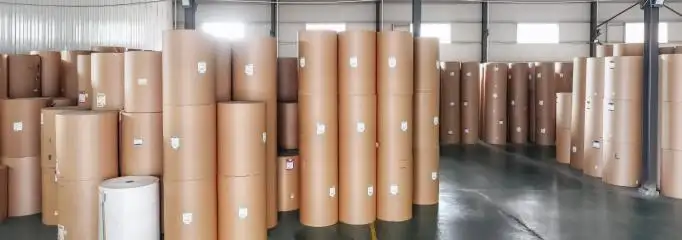
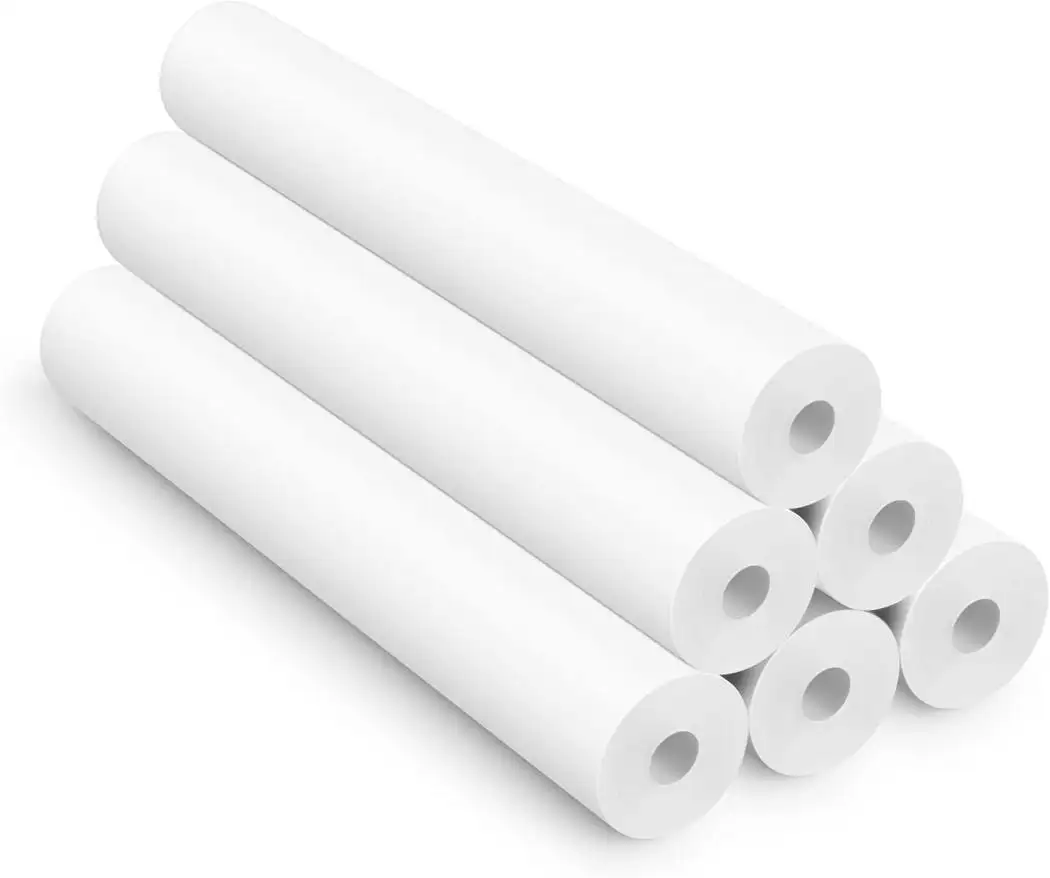
Jumbo thermal paper's role in ensuring dependable operations is a key factor for anyone involved in high-volume printing, especially those making purchases in 2026. Retail, logistics, and hospitality operations depend on consistent material performance, where seemingly minor specifications directly impact productivity and service standards. Given its application across label, ticket, and receipt production, this topic merits close examination.
For organizations planning their 2026 procurement strategies, technical knowledge of master roll specifications provides the foundation for optimizing supply chain decisions. A critical element to consider is GSM, or grams per square meter, as it directly impacts both the price and how well the product performs.
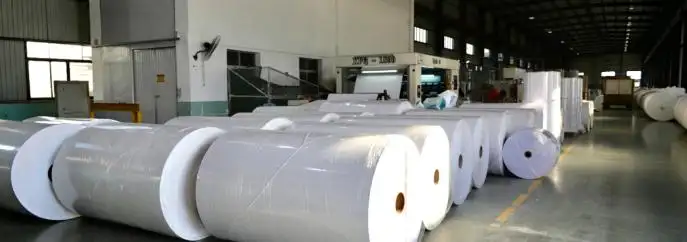
What GSM Means and Why It Matters for Thermal Paper
GSM, or grams per square meter, is the accepted method for gauging a paper's thickness and weight.This figure has a direct impact on three key aspects of thermal paper used in printers: its durability, print quality, and tactile experience. Essentially, a higher GSM indicates a thicker, denser paper.
To choose the right GSM, buyers should think about what each use needs:
✓ Quick-service businesses need light paper for receipts to keep costs down.
✓ The paper used for shipping needs to be thicker so it doesn't break when the weather is bad.
✓ Medical records often need paper that is in the middle of the weight range, lasts a long time, and works with printers.
Selecting the incorrect GSM can lead to a constant battle with paper jams and feeding issues.Alternatively, you could end up spending more on supplies than necessary.
Different Types of GSM and How They Are Used in Business
Most of the time, jumbo thermal paper for printers weighs between 45 and 80 grams for every square meter.In the industrial ecosystem, each type has a specific role to play.
48–55 GSM(Standard Grade)
Most people in this group use this weight for hard work. It's a lean choice, conserving resources while still delivering satisfactory prints, albeit for a shorter lifespan. You'd commonly see it used in these scenarios:
✓ Grocery store receipts and register tapes
✓ Ticket purchases at fast food establishments
✓ Temporary transaction records, such as those you might not retain in your bank for an extended period
60–70 GSM (Very Good Quality)
This paper's mid-weight adds a touch of sturdiness. Because it is thicker, it is harder to tear and curl when you touch it. Some common uses are:
✓ Keeping medical records for a long time
✓ Hotel receipts that customers keep
✓ Financial records that need to be kept for a long time
70–80 GSM (for work)
This group is for heavy-duty work outside and with logistics. The thick layer keeps the thermal coatings safe from the weather and from being touched. Some common uses are:
✓ Labels for travel bags
✓ Labels for shipping things to other countries
✓ Tickets for events outside
Things to think about when it comes to coating technology and print quality
When it comes to print quality and coating technology, here are some things to keep in mind:
The GSM makes the paper, but the coating formulas have a big effect on how well jumbo thermal paper works in printers. Advanced thermal papers have coatings that are made up of many layers and are meant to:
✓ Hold pictures still so that they can be read over time.
✓ Don't let the thermal print heads wear out too fast.
✓ Make sure that the heat is evenly spread over the whole paper surface.
Applying the coating evenly is very important so that the text and barcodes are easy to read. This is especially true in logistics, where the business's ability to run smoothly depends on how well the scanning works.
Coated versions with a high-quality finish protect you better from:
✓ Getting oil and grease on it
✓ Getting wet while it's being stored
✓ When it's outside, it gets UV rays on it.Good manufacturers make sure that each GSM variant has the right coating specifications so that they can get the best balance between performance and cost.
Regulatory Compliance and Environmental Standards
The safety of chemicals in the thermal paper market has changed a lot. These days, more and more people who buy printers want jumbo thermal paper because it works well with rules that change. Here are some things to think about:
✓ Certifications that say the product is safe for food service and health care because it doesn't have BPA
✓ FSC certification for using paper from sources that are good for the environment
✓ REACH compliance for selling in Europe
Using papers with different developer chemistries, like Pergafast® or similar formulas, can help businesses keep the quality of their prints while also addressing customers' growing concerns about chemical exposure.Storage
Requirements and Shelf Life Optimization
If you don't store jumbo thermal paper for printers correctly, you can still ruin it. The thermal coating is still sensitive to things in the environment that could hurt performance before the paper gets to the person who needs it.Here are some good tips for staying safe:
✓ Keeping the temperature below 30 degrees Celsius;
✓ Keeping the relative humidity below 75 percent;
✓ Keeping the area out of direct sunlight or artificial UV sources;
✓ Staying away from heating equipment or other sources of heat
If you store them properly, good jumbo rolls should last for 12 to 24 months after you make them.If you pack it right for shipping and storage, the coating will stay on until you use it or change it.
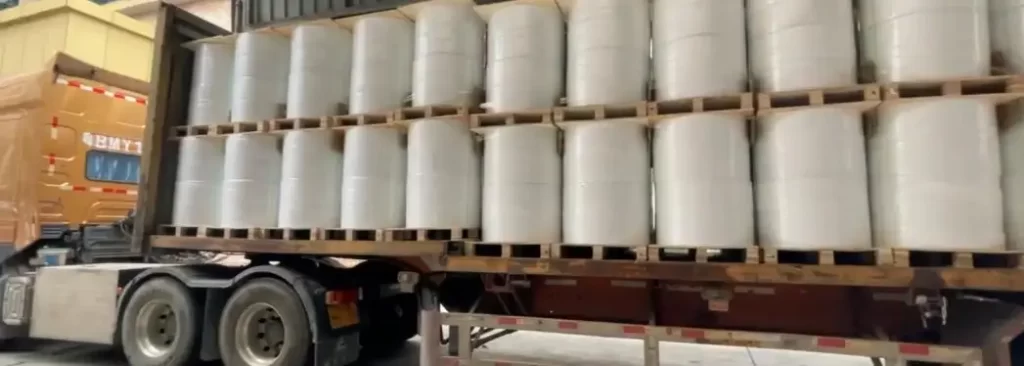
Choosing a Manufacturing Partner for 2026
Companies that want to buy thermal paper in 2026 should know both the GSM specs and how to coat the paper.
Jin Bao Brother can make a lot of different things, like
✓ GSM ranges from 48 to 80 to meet a wide range of needs
✓ Paints that are safe to use anywhere in the world and don't contain BPA.
✓ Some jobs that involve slitting can use different widths.
✓ Quality control that stays the same during the whole production process
You can always ask experienced manufacturers for help choosing the right specifications, and you can always trust your supply.
Next Steps and Final Thoughts
Selecting the right jumbo thermal paper for printers involves considering GSM specifications, the coating's chemical makeup, compliance with safety regulations, and proper storage methods.Understanding these interconnected elements allows businesses to streamline operations and simplify their supply chains.For technical assistance, contact Jin Bao Brother.We're here to help with any questions you have about your GSM needs or how our products will work for you. We're happy to provide samples for your evaluation, and we're available to help you navigate the technical aspects of your specifications. To discuss pricing and your purchasing plans for 2024, please contact our sales team.
We'll Get Back Within 24 Hours
Related Articles
Cash Register Roll Quality Testing: 7 Technical Parameters Buyers Should Check
2026-09-30

Custom Carbon Copy Paper Technology | Jinbao Brother
2026-09-30
How Long Do A4 Thermal Paper Rolls Last? Image Durability and Storage Explained
2026-09-29
Eco-Friendly A4 Thermal Printing Paper: Sustainability Trends and Recyclability
2026-09-29
