



 Home / News & Events /
 -
Share
-

-

-

-

Updated 5 months ago
Direct Thermal Vs Thermal Transfer Paper Key Differences Explained
admin
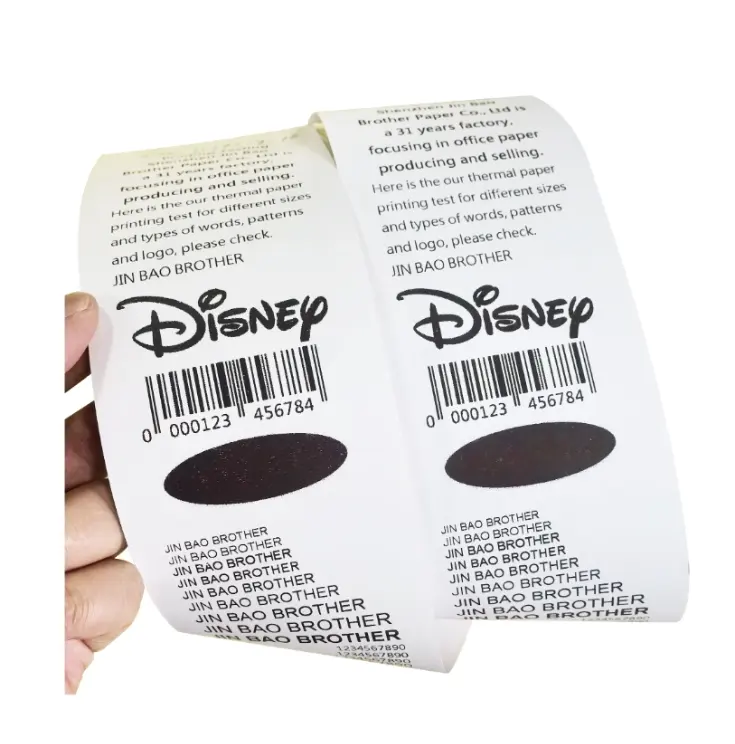
Direct Thermal Vs Thermal Transfer Paper Key Differences: Complete Guide
- Comparing the thermal printing technology to the other common systems, businesses are split between direct thermal printing and thermal transfer printing. Both of them have a significant contribution to the barcode label printing methods, especially in the packaging of logistics, retail, and e-commerce.
- They might appear to be the same at first sight, yet the mechanism of their work, their durability, and cost-effectiveness are very different. This guide simplifies all that so that you can select the appropriate label printing systems to suit the logistics or business operations.
The Direct Thermal Printing (Inkless Printing System) Working Principle
Direct thermal printing is an easy, yet effective technique that is commonly used in shipping and fulfillment labels and POS systems. It is a heat-sensitive printing process where the print head is made to heat a specially coated paper. The paper has a direct thermal coating layer that reacts to heat and becomes black, creating text or images.
Key Technical Points:
• No ribbon needed (inkless printing system)
• Uses thermo-paper, which has been treated with chemicals.
• Printhead is selectively heating.
• Perfect for short-term labelling.
Common Uses:
• Retail receipts
• Shipping labels
• Food delivery labels
• Temporary tracking tags
Nevertheless, the thermal paper is sensitive to the environment and thus can fade away in case it is subjected to heat, sunlight, or chemicals.
Thermal Transfer Printing (Ribbon-Based Technology) Process
The printing of thermal transfer is more sophisticated and enduring. It works on the principle of a ribbon printing technology, where heat is employed to print ink on a ribbon onto the label.
Wax Resin Ribbon Composition
This system uses different ribbons, such as:
- Simple application: Wax ribbons.
- Wax-resin ribbons (balanced performance)
- Resin (high durability) in ribbons.
The wax resin ribbon composition determines durability, resistance, and print quality.
Technical Working Process:
• The ribbon is heated by the print head
• Ink melts and flows on the label surface.
• Produces long-lasting print
Common Applications:
• Asset tracking labels
• Industrial labeling solutions
• Cold chain logistics labelling.
• Labeling of inventory in warehouses.
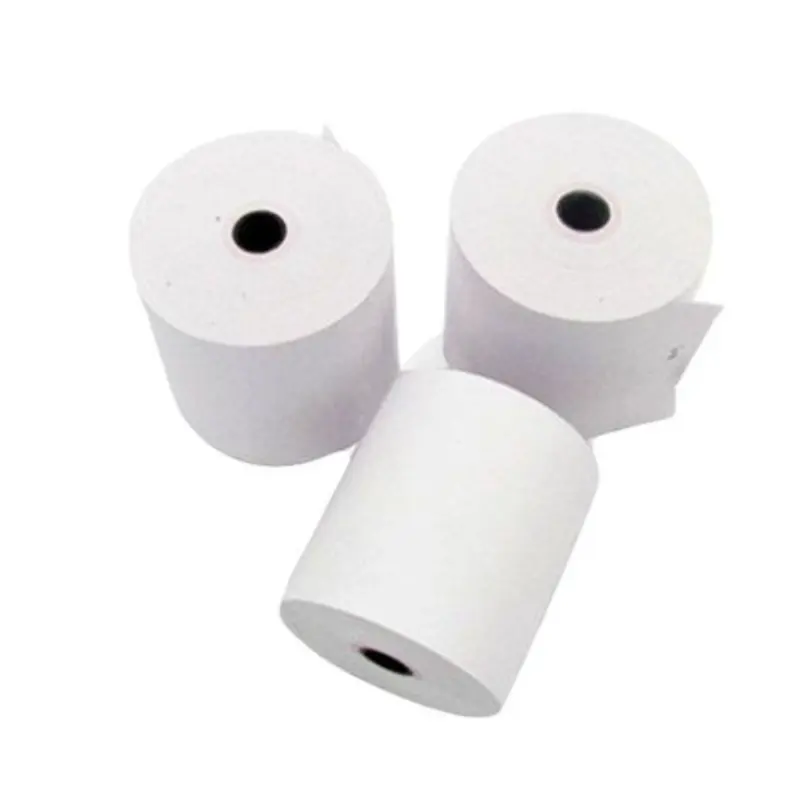
Differences Between Direct Thermal and Thermal Transfer Printing
This is where the thermal transfer vs direct thermal comparison comes in.
1. Printing Method
• Direct thermal: heat directly on paper
• Thermal transfer: ink is transferred using heat by ribbon.
2. Durability
• Direct thermal: short-term, time-dependent.
• Thermal transfer: long-lasting, heat and chemical-resistant.
3. Cost Efficiency
• Direct thermal: less expensive to start with.
• Thermal transfer: It is more costly to install, but lasts longer.
4. Printer Maintenance Needs.
- Direct thermal: low maintenance.
- Thermal transfer: needs replacement of ribbons.
- Label printing cost effectiveness of label printing techniques.
- Print lifespan differences
- The effectiveness of the labeling systems at work.
- Comparison of the durability of types of thermal printing.
Durability and Fade Resistance: What Counts
One of the biggest Direct Thermal vs Thermal Transfer Paper Key Differences is durability.
Direct Thermal Limitations
• Fades under sunlight
• Heat/friction sensitive.
Thermal Transfer Strength
• Excellent labels of abrasion and chemical resistance.
• Long print life and fade resistance.
• Appropriate to extreme conditions.
Technical Insight
The life cycle of thermal transfer prints is several years, based on the type of ribbon employed, especially the resin ribbon employed in industrial applications. The question that the businesses will most probably pose is, which is more appropriate, direct thermal or thermal transfer?
Direct Thermal Cost Benefits
• No ribbon cost
• Simple setup
• Most appropriate in large volume POS systems.
Value of Thermal Transfer Investment Value.
• Higher initial cost
• Reduced replacement cost in the long run.
• More suitable for permanent labeling.
Applications of Use Cases in Logistics and E-Commerce
Labeling is an important aspect of the modern supply chains.
Direct Thermal Best Use Cases
• E-commerce shipping labels
• Retail POS receipts
• Short-term delivery tracking
Thermal Transfer Best Use Cases
• labeling systems of warehouse inventory.
• barcode tracking of the supply chain.
• cold storage shipping labels.
• asset identification systems
Industry Terms Included:
• e-commerce packaging labels
• shipping and fulfillment labels.
• product identification systems
• barcode label toughness for logistics.
Technical Breakdown: What Happens in the Printer
We will also expound on the direct thermal vs thermal transfer systems of barcode printing. The two systems work using a print head, but the behavior is different:
- Direct thermal: paper is heated directly.
- Thermal transfer: heats the ribbon ink layer
Print Resolution (DPI)
- Typically 203 to 600 DPI
- The greater the DPI, the greater the readability of the barcode.
Label Material Differences
- Direct thermal: coating that is sensitive to heat.
- Thermal transfer: polyester, polypropylene, paper labels.
Conditions of storage of printed labels.
- Avoid humidity
- Avoid direct sunlight
- Controlled temperature increases life span.
Which is Best for Your Business?
Your use case will be used to select it.
Choose Direct Thermal If:
• You need inexpensive printing.
• Labels are short-term
• You work with POS or retail billing systems.
Choose Thermal Transfer If:
• You require long-lasting labels.
• You work in the logistics or manufacturing field.
Contemporary Labeling Jinbao Paper Solutions
Jinbao Paper has come up with high-quality and reliable thermal paper products that will meet the global business demands.
Ideal for POS systems and retail stores, these rolls will guarantee:
• Smooth printing performance
• Clear and sharp text display.
• Interoperability with key cash registers.
• Coating of paper to make it consistent in results.
They are designed to be utilized in thermal printing systems in order to reach efficiency in logistics and retail that will streamline the workflow in the day-to-day operations.
Conclusion:
Whether you use Direct Thermal vs Thermal Transfer Paper, Key Differences printing determines your whole labeling strategy. When efficiency is your short-term objective, direct thermal is the way to go. The thermal transfer winner is the one who desires durability and long-term performance. The correct choice enhances cost management, workflow, and print quality.
We provide trusted solutions to modern businesses with advanced thermal paper technology that is designed to perform and be consistent. Today, explore our assortment and upgrade your labeling system with confidence. Visit Jin Bao Paper and become familiar with smarter printing solutions that are set to become the future of logistics and retail.
We'll Get Back Within 24 Hours
Related Articles

Cash Register Roll Quality Testing: 7 Technical Parameters Buyers Should Check
2026-09-30

Custom Carbon Copy Paper Technology | Jinbao Brother
2026-09-30
How Long Do A4 Thermal Paper Rolls Last? Image Durability and Storage Explained
2026-09-29
Eco-Friendly A4 Thermal Printing Paper: Sustainability Trends and Recyclability
2026-09-29
