Home / News & Events /
 -
Share
-

-

-

-

Updated 2 months ago
Thermal Copy Paper A4 Surface Smoothness and Impact on Thermal Printhead Wear
admin
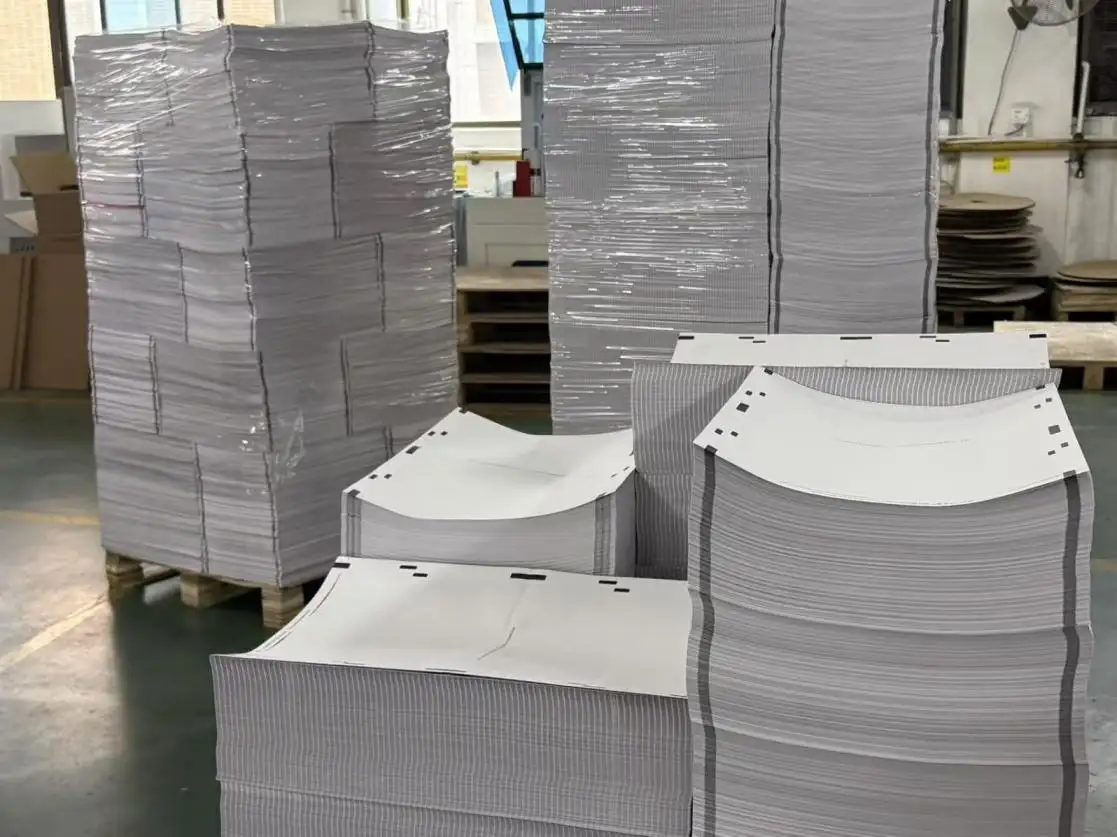
Standard office paper needs ink, ribbons, or toner. However, A4 Thermal Copy Paper A4 has a heat-sensitive coating, so it does not need any of the aforementioned components to print images and text. In the printing process, paper comes in contact with a thermal print head. In most printing technologies, contact comes with a certain degree of pressure. The coating on the surface of a paper can affect print clarity, heat transfer, residue buildup on the printhead, and the printhead's longevity.
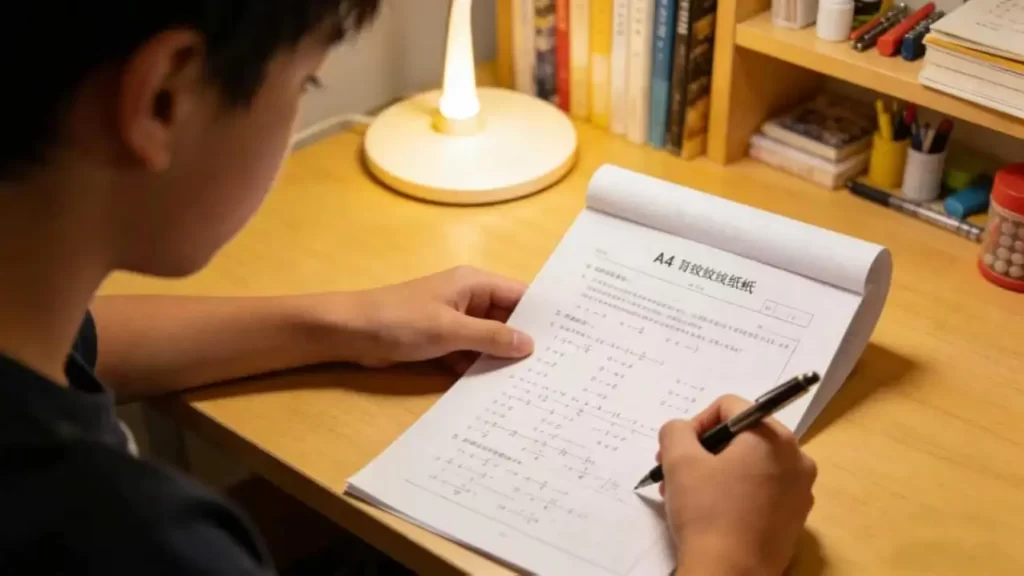
Thermal Copy Paper A4 aims to have a smooth surface to create an efficient contact with a thermal print head. A smooth paper surface creates less friction, and therefore, improves thermal transfer. A smooth paper surface also minimizes the presence of abrasive particles. The coating formulation, print pressure, heat settings, operating speed, and routine maintenance can also affect the wear of a thermal print head.
What Does Surface Smoothness Mean?
Surface smoothness is more than how the paper feels by hand. It describes the microscopic uniformity of the print-facing surface.
For Thermal Copy Paper A4, smoothness is determined by:
• Base paper fiber distribution
• Pre-coating coverage
• Thermal coating thickness
• Functional-particle dispersion
• Drying stability
• Calendering conditions
• Surface dust and loose fibers
The thermal-coated side requires the closest inspection because it directly contacts the heating elements. The reverse side may be designed mainly for feeding, handling, writing, or additional printing.
How Thermal Paper Contacts the Printhead
A direct thermal printer creates an image through a repeated pressure-and-heat process:
- The Thermal Copy Paper A4 sheet enters the printing path.
- Feed rollers move the sheet beneath the thermal printhead.
- The printhead applies controlled pressure to the coated surface.
- Individual heating elements activate according to the print data.
- The thermal coating reacts and produces the required image.
The printhead therefore operates under combined thermal and mechanical loads. Surface irregularities, coating particles, and contamination may change the contact condition across the printing width.
Effects of Surface Smoothness on Printhead Wear
1. Mechanical Friction
Paper with a rough surface has fibers and particles raised from the paper surface, and has uneven areas. Printhead contact with rough surfaces causes uneven friction and increases printhead wear.
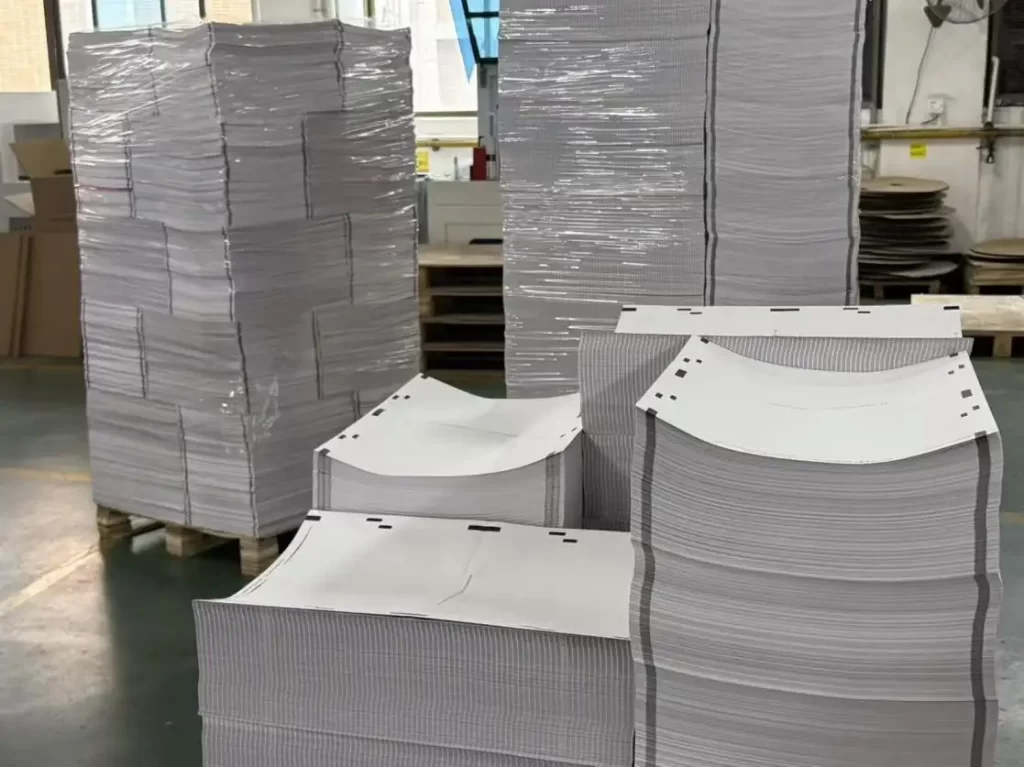
A smooth surface of Thermal Copy Paper A4 reduces:
• Contact with protruding fibers
• Uneven mechanical resistance
• Localized pressure points
• Repeated contacts of an abrasive nature
Smoothness of a surface should not be viewed in isolation. Other factors that impact smoothness include: Coating hardness, particle size, stiffness of the paper, and surface friction.
2. Contact Pressure Distribution
An uneven sheet may contact the printhead unevenly. In some areas, uneven contact may result in some areas being more pressure contact areas, while in other areas there is almost no contact.
Symptoms of these printing problems include:
• Uneven image density
• Broken fine lines
• Incomplete barcodes
• White lines across the page
• Premature wear in specific printhead zones
Use of Thermal Copy Paper A4 ensures consistent smoothness and therefore even contact pressure for effective image formation.
3. Paper Dust and Coating Debris
Loose fibers and coating residue dust may accumulate on either the printhead or the platen roller. This may cause problems with heat transfer and increase maintenance.
The generation of debris is dependent on the following:
• Strength of the base paper
• Coating adhesion
• Quality of edge cutting
• Sheet cleanliness
• Packaging of the sheets
• Storage conditions of the sheets
A smooth surface, among other factors, will help reduce the generation of dust, and will help ensure a secure coating.
4. Heat-Transfer Efficiency
To develop the image in paper, the thermal layer needs to be in close proximity to the heating elements. Use of consistent and uniform Thermal Copy Paper A4 assists the coating to reach the desired proximity to the heating elements.
This will provide:
• More Defined Text Edges
• More Complete Fine Lines
• Stable Print Density
• Improved Barcode Definition
• Reduced Need for High Heat Settings
Use of excessively high print energy may elevate thermal stress to the paper. Adequate paper sensitivity may allow the printer to achieve the required density with a lower print energy.

Is a Smoother Surface Always Better?
Not necessarily. Excessive calendering or an unsuitable friction coefficient may create other operating problems.
| Paper characteristic | Potential advantage | Possible risk if poorly controlled |
| High surface smoothness | Uniform printhead contact | Feeding slip |
| Low surface friction | Reduced mechanical resistance | Multiple-sheet feeding |
| Dense coating | Strong image density | Changed thermal response |
| High stiffness | Stable A4 feeding | Reduced adaptability in compact printers |
| High sensitivity | Lower print energy | Background discoloration if storage is poor |
Reliable Thermal Copy Paper A4 requires a balance among smoothness, feeding friction, coating adhesion, thermal sensitivity, stiffness, print density, and abrasion resistance.
Other Factors Influencing Thermal Printhead Wear
| Factor | Possible consequence | Suggested remedy |
| Surface irregularities | Increased contact and wear friction | Reduce calendering and improve base paper |
| Coating agglomerates | Residues and abrasiveness | Control dispersion and agglomerate size |
| Printing temperature | Higher thermal stresses | Adjust energy to paper |
| Printing pressure | Mechanical wear | Increase compliance to printer design |
| Dust and fibers | Poor heat transfer | Increase cutting and packaging quality |
| Paper moisture | Curling and unstable feeding | Use moisture-proof packaging |
| Maintenance | Buildup and missing print lines | Printhead servicing |
How Jin Bao Brother Manages Surface Quality
The quality of Thermal Copy Paper A4 is dependent on the base paper quality and coating as well as finishing, cutting and inspection.
Base Paper Selection
The ideal base paper should have:
• Even fiber distribution
• Consistent gram weight and thickness
• Low fiber shedding
• Good coating compatibility
• Sufficient stiffness for A4 feeding
• Coating from 100% virgin wood pulp meets these criteria.
Coating and Finishing
We have control over:
• Pre-coating coverage
• Weight of thermal coating
• Variation in coating thickness
• Dispersion of functional-particles
• Coating adhesion
• Drying temperatures
• Calendering pressure
These deal with smoothness and sensitivity as well as image density and surface durability.
A4 Sheet Cutting
For sheet-form products, conversion quality affects both printing and equipment cleanliness. Important controls include:
• Accurate A4 dimensions
• Square and clean edges
• Low cutting dust
• Flat sheet condition
• Consistent packaging quantity
Selecting Thermal Copy Paper A4 by Application
| Application | Main selection priorities |
| Mobile office printing | Feeding stability, low dust, clear text |
| Logistics documentation | Barcode definition, fast imaging, abrasion resistance |
| Medical or field records | Print consistency, readability, material safety |
| Food-related use | Optional food-contact-grade material and documentation |
| International distribution | BPA/BPS-free, RoHS, REACH, and quality-system support |
| High-frequency printing | Uniform coating, low residue, printer compatibility |
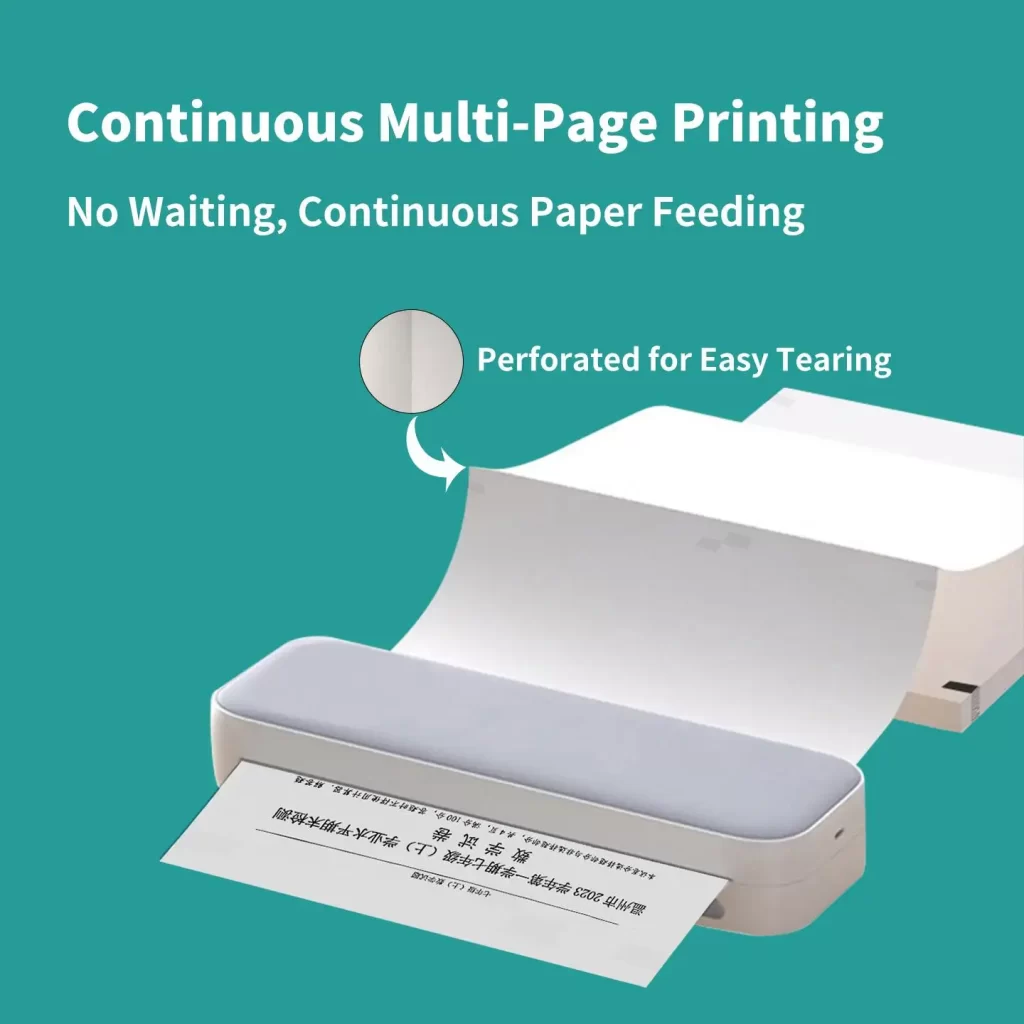
Before placing a volume order, buyers should test Thermal Copy Paper A4 for portable printers using the actual printer model, print density, operating speed, and feed mechanism.
Synthesis and Preservation Advice
To maintain the quality of your paper and your printer:
• Keep the paper in its unopened packaging.
• Protect against sunlight and pack heat.
• Store away from oils, solvents, plasticizers, and strong chemicals.
• Prevent moisture and dust contact.
• Utilize FIFO (first-in, first-out) stocking methods.
• Follow printer manufacturer's specifications for cleaning and maintenance routines
• Avoid cleaning with sharp or abrasive tools.
• When noticing uneven printed results, check the print path.
Final Words
Use A4 Thermal Copy Paper that is smooth and consistent with a high-quality print resolution that has low residue. Jin Bao Brother offers a high-quality Thermal Copy Paper A4 with a choice of white or colored paper, made from 100% virgin wood pulp with a thermal material base. Our paper is certified ISO 9001, ISO 14001, SGS, RoHS, REACH and is BPA/BPS free along with other certifications. Jin Bao Brother is happy to offer our A4 Thermal Copy Paper in a custom format, both in bulk and as a sample for testing, to meet your OEM printing needs.
FAQs
Q1. What materials compose Jin Bao Brother Thermal Copy Paper A4?
A4 paper produced by Jin Bao Brother is made with thermal-sensitive materials and paper made from 100% virgin wood pulp for uniform coating and optimal direct thermal printing.
Q2. How does surface smoothness impact thermal printhead wear?
Uniform smoothness minimizes localized friction between the thermal Printhead and Copy Paper A4. It may also enable uniform pressure, efficient heat transfer, and minimized residue build up.
Q3. Are Jin Bao Brother Thermal Copy Papers A4 BPA/BPS free?
There are A4 size, BPA/BPS free options for Jin Bao Brother Thermal Copy Papers. These products are also SGS tested and designed to meet safety and environmental concerns for materials in various applications and market domains.
Q4. Does Thermal Copy Paper A4 require ink or toner?
Thermal Copy Paper A4 does not require any printing consumables such as ink, toner, or ribbons as it is coated with a heat-sensitive layer that reacts to the thermal printhead to allow printing.
Q5. What colors are offered for Thermal Copy Paper A4?
Jin Bao Brother offers white, as well as colored and painted, Thermal Copy Paper A4. The availability of specific colors may depend on the specifications of the paper, the required coating, the printing application, and the quantity of the order.
We'll Get Back Within 24 Hours