Home / News & Events /
 -
Share
-

-

-

-

Updated 2 months ago
Top-Coated vs Non-Top-Coated A4 Direct Thermal Paper: Which Is Better?
admin
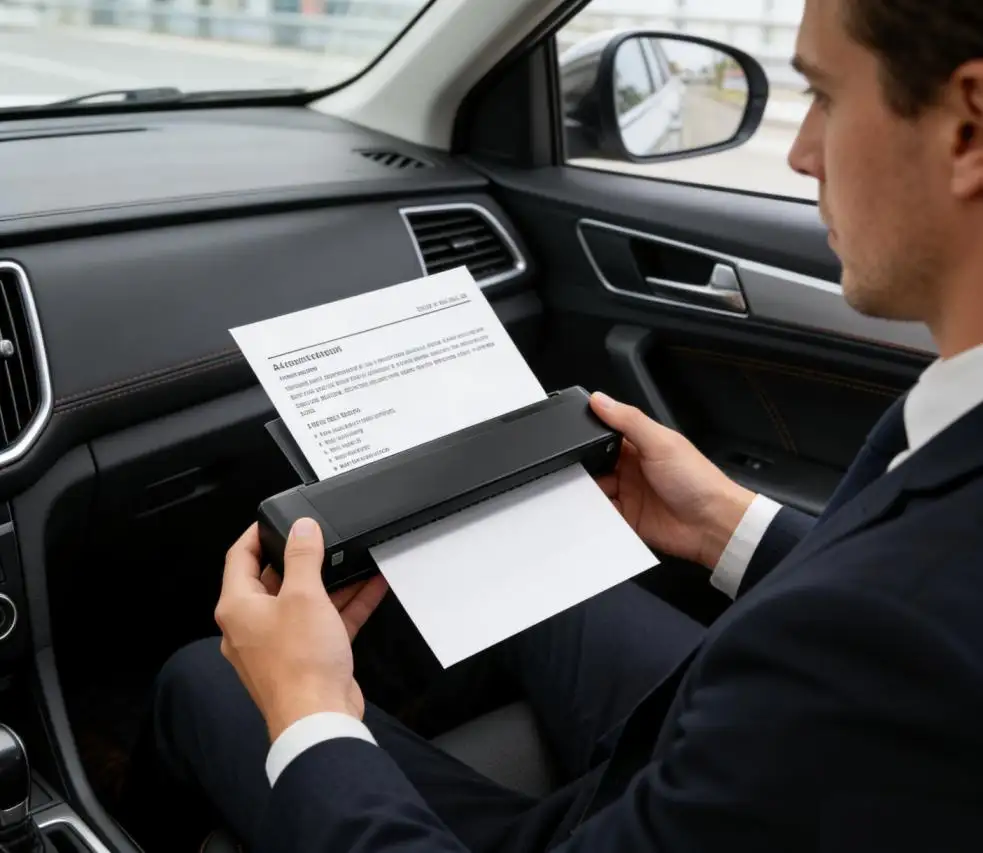
Top-coated A4 Direct Thermal Paper provides a greater level of water, oil, abrasion, and handling resistance than its non-top-coated counterparts, and is therefore more applicable for such uses. Non-top-coated A4 Direct Thermal Paper has a simple structure, is more cost-efficient, and is applicable for short-term use in clean, dry environments. Ultimately, the user's requirements in terms of heat settings, sensitivity, image-life, and the exposure not to mention the user's budget will dictate the most suitable choice. A "top-coat", refers to a protective layer, however, it does not necessarily imply that all top-coated grades are better than uncoated grades.
Why the Protective Coating Matters
Without needing any external supplies (ink, ribbons, or toner), A4 Direct Thermal Paper is unique. With Direct Thermal Printing, the printhead applies heat to the paper to develop images, text, or barcodes. The paper contains the thermal layer for image creation. To protect the layer from the environment, an optional top coating can be applied.
For some applications, non top-coated Direct Thermal Paper can suffice. However, for the more rigorous use cases (i.e. Direct Thermal Paper used in Mobile, Medical, Logistics, Warehousing, and Food applications), a top coating is recommended.
What is A4 Direct Thermal Paper?
A typical sheet contains several functional layers:
| Paper Layer | Main Function |
| Base paper | Provides strength, stiffness, and flatness |
| Pre-coating | Improves smoothness and heat efficiency |
| Thermal coating | Forms the image when heated |
| Top coating | Improves water, oil, and abrasion resistance |
| Back coating | Supports feeding or back-side protection |
When the thermal dye and developer are heated, they combine to form the image. The printhead efficiency is determined by the base paper smoothness, and the coating sensitivity determines the energy required for a dark image. The top coating can protect the thermal layer, but cannot substitute for a poor quality paper or poor printer settings.
What is Top-Coated A4 Direct Thermal Paper?
Top-coated A4 Direct Thermal Paper is Direct Thermal Paper with a protective layer on top of the thermal coating. It can:
•Reduce direct contact with moisture
•Enhance resistance to oils and abrasions
•Minimize scratching and damage to the coating
•Help maintain stable readability of the image
Top-coated A4 Direct Thermal Paper is not waterproof, and is not designed to be resistant to fading. Background discoloration may still occur as a result of long exposure to heat or UV, alcohol, solvents, adhesives, and some plastics.
What Is Non-Top-Coated A4 Direct Thermal Paper?
Non-Top-Coated A4 Direct Thermal Paper lacks an additional top layer of protection over the thermal layer. This feature provides a more direct thermal response and simpler construction at a reduced cost.
Non-Top-Coated A4 Direct Thermal Paper is well-suited for the printing of temporary documents, list records, and other similar applications. Non-Top-Coated A4 Direct Thermal Paper is best if used for short-term indoor applications. Non-Top-Coated A4 Direct Thermal Paper is best if used for documents and transactions that will not be frequently handled, as its resistance to handling, water, and oil is very poor.

Top-Coated and Non-Top-Coated A4 Direct Thermal Paper
| Factor | Top-Coated Paper | Non-Top-Coated Paper |
| Water resistance | Tends to be better | Tends to be worse |
| Oil resistance | Generally better | Generally worse |
| Abrasion resistance | Generally better | Generally worse |
| Image stability | Better for long-term use | Better for short-term use |
| Thermal response | Variable | Generally quicker |
| Cost | Generally more expensive | Generally less expensive |
| Typical use | Logistics, health care, warehouse, field work | Office, temporary, general use |
What Is the Effect of Top Coating on Print Quality?
When designing a top coating, manufacturers attempt to create a balance between protections and heat transfer. Top coatings can provide balance in image density, background whitness, barcode contrast, ease of accessibility of small text and low energy use for printing.
Top coatings smooth the surface of the paper to improve contact with the printhead, reduce friction and paper dust, and provide stable printing. It should be noted, however, that a top coating does not reduce printhead wear, which is dependent on coating firmness, particle distribution, and printer dust and maintenance.
With A4 Direct Thermal Paper, buyers should consider stiffness, moisture, flatness, edge cutting, static, curl, and stability of single-sheet feeding.
What Applications Require Top-Coated Paper?
Top-coated A4 Direct Thermal Paper is suitable for:
•Mobile clinical or medical papers that may come into contact with liquids
•Delivery, pick and inventory papers
•Field service printing and service work including all printed documentation for warehouse and transportation
•Retail, printing and service work in food-related environments that may be exposed to moisture, steam, or oil
•Top-coated paper should be subjected to testing to confirm whether it meets the required image life for the application.
What is the Use Case for Non-Top-Coated Paper?
Non-Top-Coated A4 Direct Thermal Paper is suitable for printed documents that will be used indoors, infrequently handled, and briefly stored. Non-Top-Coated paper will be sufficient if the printed documents will be protected from all liquids, heat, and chemicals. It suits cost-sensitive, high-volume applications where short-term readability is the main requirement.
Common Misunderstandings
❌Top-coated always means better. Not necessarily; it may be unnecessary for short-term indoor use.
❌Non-top-coated paper gives poor images. False. A well-made grade can still produce sharp printing.
❌BPA-free typically means phenol-free. Not with certainty. Separate confirmations for BPA-free, BPS-free, and phenol-free must be done.
❌Top coating does not make images permanent. Thermal images still are sensitive to heat, light, and chemicals, and to how they are stored.
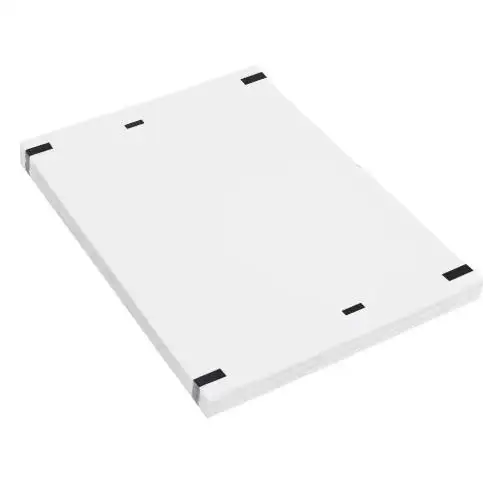
How Jin Bao Brother Supports Customized A4 Direct Thermal Paper
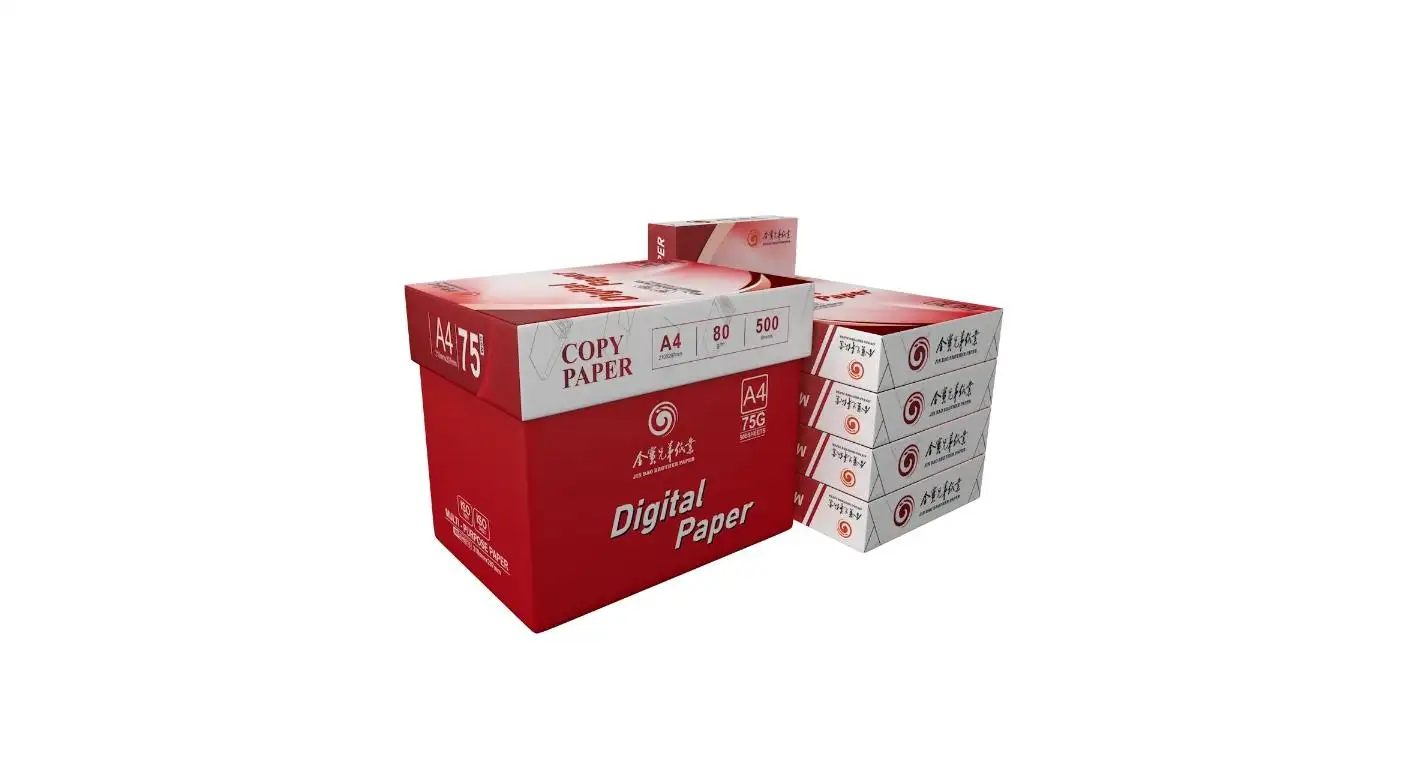
For various printers and operating environments, Jin Bao Brother can supply standard, top-coated, and image-life-extended A4 Direct Thermal Paper. This product also presents a choice of customized sheet sizes, grammage, thickness, and surface performance, as well as white or custom-facing, and OEM/ODM options.
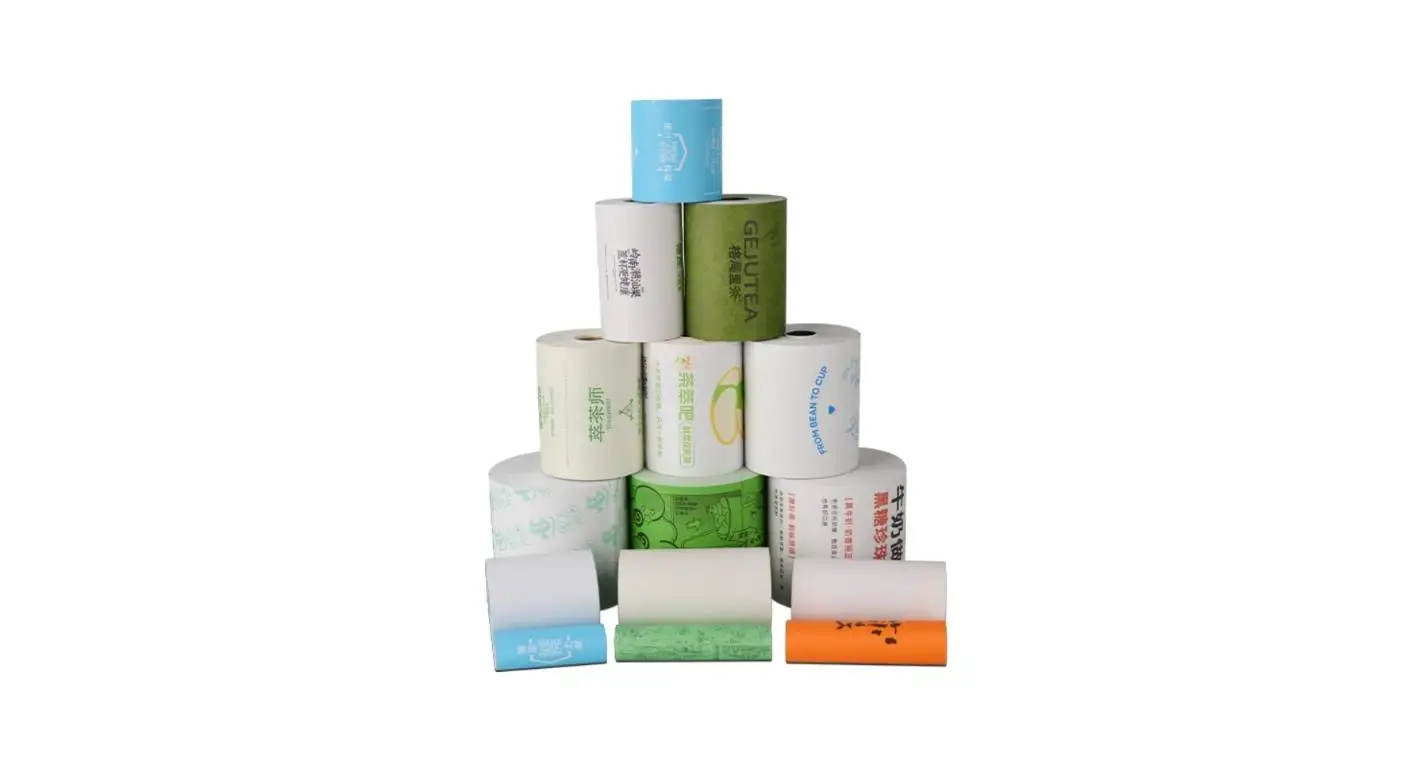
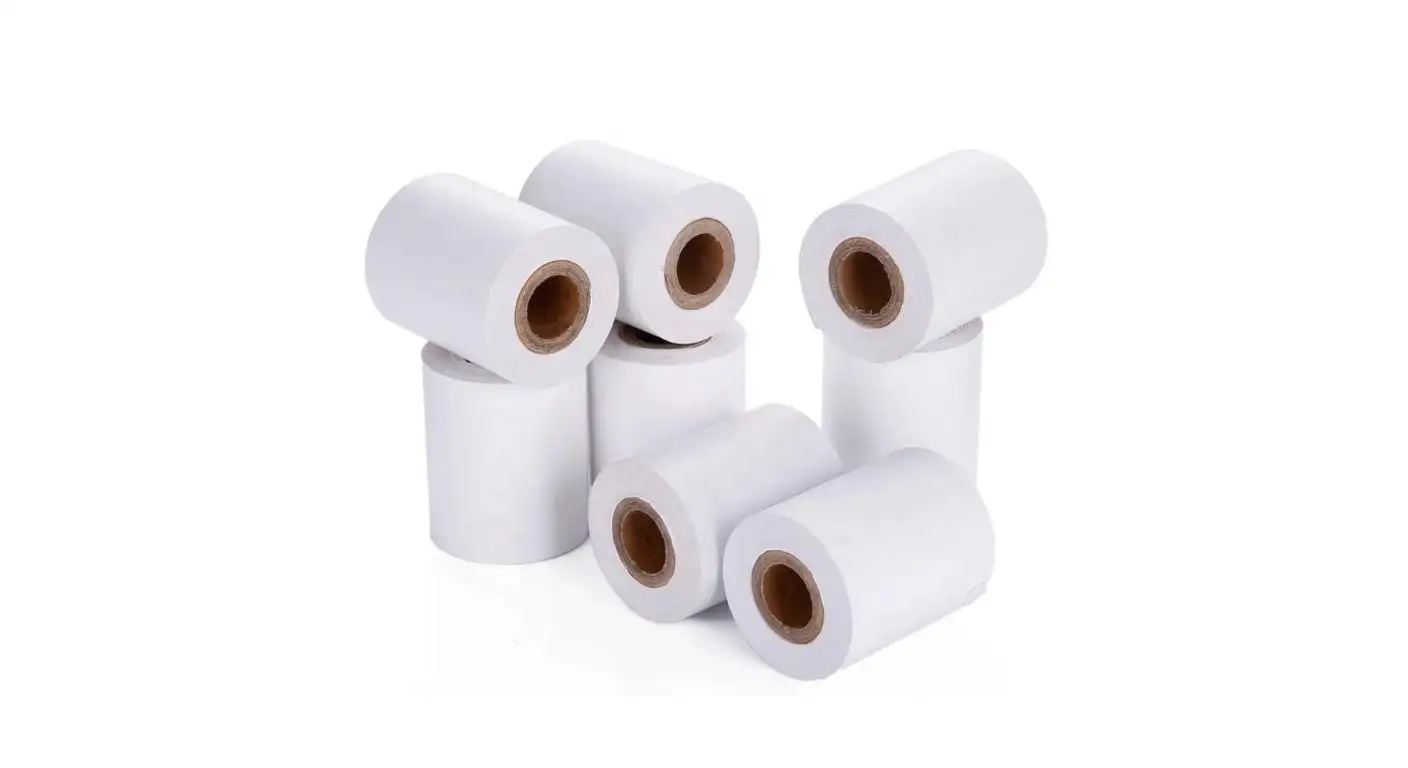
This company also supports customized Thermal Paper Rolls, and offers flexible services for private-label printing and packaging, shrink wraps, boxes and cartons, printer-specific samples, and a scalable supply.
Quality assurance and compliance options include ISO 9001, ISO 14001, and RoHS compliance along with SGS-tested materials free of BPA and BPS, and REACH compliance, and FDA food contact grade upon request for applicable models.
Which A4 Direct Thermal Paper Is Better?
Top-coated A4 Direct Thermal Paper is generally superior when paper will be frequently handled, and needs to be moisture-, oil-, and abrasion-resistant and have a long relative readability. Generally, A4 Direct Thermal Paper without top coating is better suited for a controlled environment, temporary records, and systems with limited budgets. Assess needs for printer, image life, exposure, and risks before bulk purchasing. The best value is usually a production-equivalent sample.
For recommendations and material samples, let Jin Bao Brother know your printer model, paper size, desired image life, and the applicable environment as well as your specifications for packaging.
FAQs
Q1. What kinds of A4 Direct Thermal Paper does Jin Bao Brother offer?
Jin Bao Brother offers standard non-top-coated, top-coated and extended-image-life A4 Direct Thermal Paper for different printing situations and the required durability of the printed documents.
Q2. Can Jin Bao Brother modify the specifications for A4 Direct Thermal Paper?
Sure. Possible customization options for A4 Direct Thermal Paper might include size, grammage, thickness, surface smoothness, thermal sensitivity, coating, image-life performance, and packaging.
Q3. Is top-coated A4 Direct Thermal Paper waterproof?
Top-coated A4 Direct Thermal Paper is not waterproof, but compared to non-top-coated A4 Direct Thermal Paper, it has a greater resistance to moisture. The actual resistance depends on the coating and exposure.
Q4. Which A4 Direct Thermal Paper is more applicable for logistics?
Usually, for documents used in logistics, warehousing, delivery, and even field service activities, top-coated A4 Direct Thermal Paper would be the more applicable choice, as it is more resistant to moisture, oils, scratches and other forms of physical handling.
Q5. Can Jin Bao Brother customize A4 Direct Thermal Paper for specific printers?
Definitely. To customize the A4 Direct Thermal Paper for a specific printer, customers need to provide printing and paper compatibility details such as the brand and model of the printer, print speed, resolution, a range of thickness, and a heat setting.
We'll Get Back Within 24 Hours