Home / News & Events /
 -
Share
-

-

-

-

Updated 2 months ago
Durable Thermal Label Stickers for Outdoor Tracking and Asset Management
admin
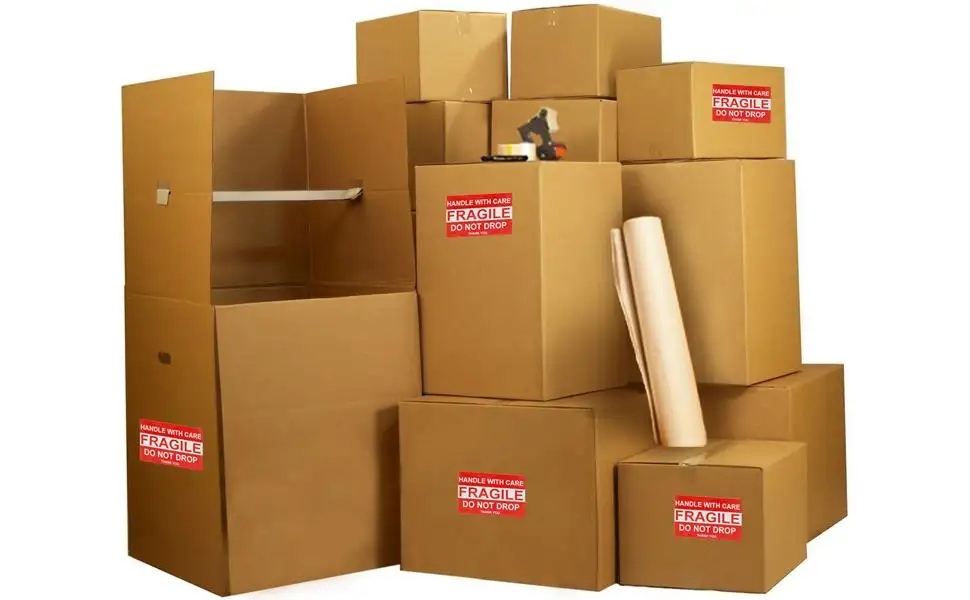
Outdoor asset identification requires more than a clearly printed barcode. Labels on equipment, pallets, reusable containers, construction materials, and outdoor inventory are subjected to a variety of conditions including rain, condensation, sunlight, dust, oil, abrasion, and varying temperatures.
These conditions can damage thermal imaging, weaken adhesion, lift label edges, or cause readers to fail to scan the asset. Durable Thermal Label Stickers mitigate these problems by using direct thermal imaging combined with protective coating, adhesive matched to the application, and specially constructed controlled rolls.
What Are Durable Thermal Label Stickers?
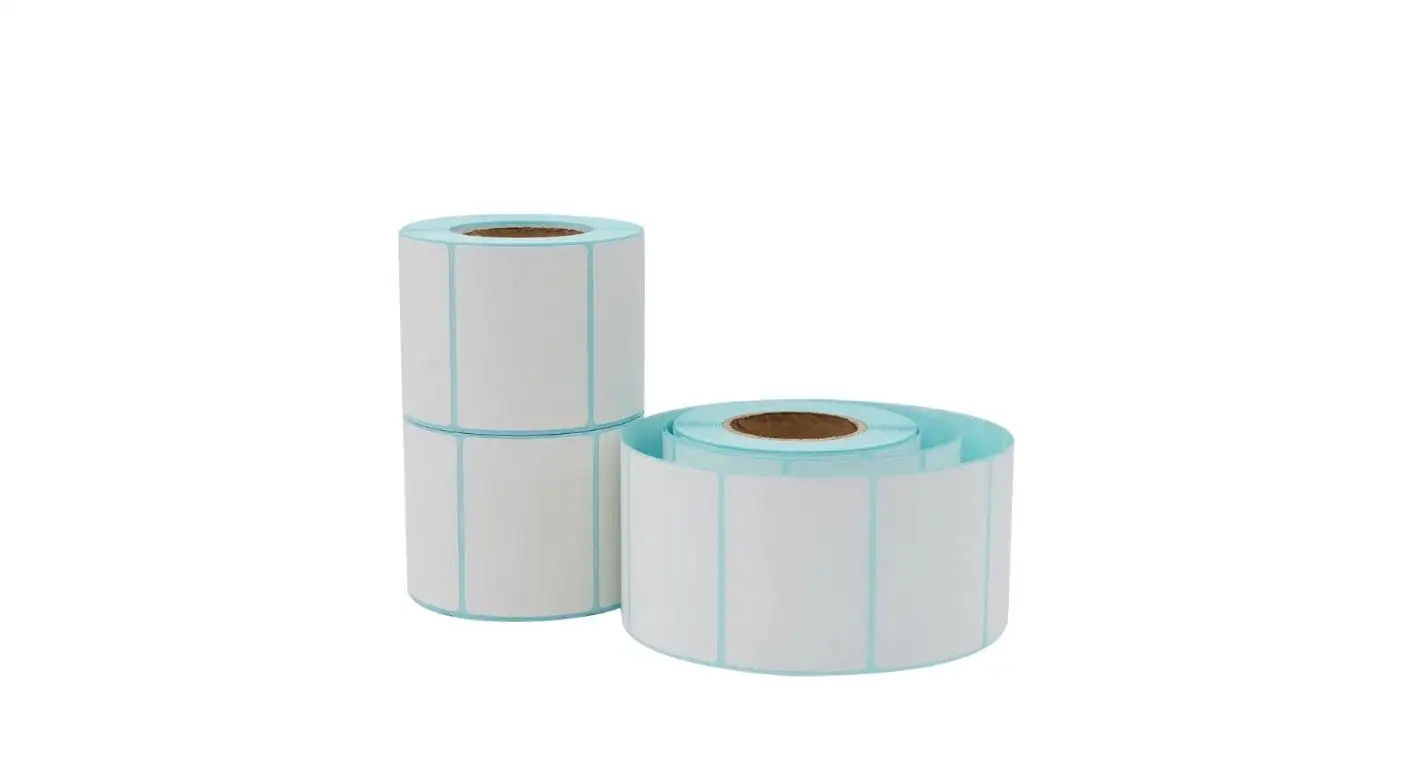
Durable Thermal Label Stickers are pressure-sensitive stickers designed to be printed with a thermal printer. Unlike other printing techniques that use ink, toner, or ribbons, our labels print via the thermal print head by first heating a special coating on the label to print text, barcodes, QR codes, or serial numbers.
The construction of a typical label involves the following components:
| Label Component | Function |
| Thermal paper face | Carries asset and tracking information |
| Heat-sensitive layer | Produces the printed image |
| Protective top coating | Improves resistance to moisture, oil, alcohol, and abrasion |
| Pressure-sensitive adhesive | Bonds the label to packaging or equipment |
| Release liner | Protects the adhesive before application |
| Cardboard core | Supports roll handling and printer loading |
While an additional coating can improve practical durability, thermal labels are not suitable for continuous sunlight, immersion, aggressive chemicals, or multi-year outdoor exposure.
How Durable Thermal Label Stickers Support Asset Management
Asset Registration
Durable Thermal Label Stickers can carry essential identification data including asset or equipment ID, serial number, SKU and batch number, department or responsible operator, storage location, inspection date, maintenance status, and a barcode or QR code.
Location and Movement Tracking
Outdoor thermal labels can help document the movement of assets between various outdoor:
•Storage yards
•Production facilities
•Warehouses
•Maintenance workshops
•Construction sites
•Distribution centers
The label does not offer real-time location services. Movement tracking requires the use of scanners, mobile devices, inventory management applications, or RFID systems.
Maintenance and Inspection
A physical label with an identification code could link users to detailed records. Examples include:
•Maintenance schedule
•Inspection records
•Repair history
•Operating instructions
•Asset ownership
When an asset has a physical label with an identification code, the digital record can contain as much information as necessary.
Outdoor Factors Impacting The Labeling of Thermal Assets
| Exposure | Typical Failure | Selection Order |
| Rain or moisture | Paper swelling, image damage, weak adhesion | Top coating and time of exposure |
| Condensation | Decreased initial adhesion with edge lifting | Applied to a dry surface and proper adhesive |
| UV exposure | Fading of the image, darkening and aging | Mat. grade and exposure time |
| High temperature | Premature activation of the thermal process | Maximum service temperature |
| Low temperature | Hardened adhesive or edge lifting | Minimum service temperature |
| Oil or alcohol | Deterioration of coating and image | Specific to the chemical and time of contact |
| Abrasion | Scratched barcodes and missing text | Coating and label placement |
| Dust and dirt | Sufficient adhesion and unobstructed scanning | Surface preparation |
The Importance of Coating Protection
Top-coated thermal label stickers are designed to provide better protection from the environment. Depending on the formulated coating, they may provide:
•Water protection
•Penetration protection of the thermal layer caused by the oils
•Limited protection against alcohols
•Protection against some abrasions
•Barriers against the loss of the legibility of barcodes
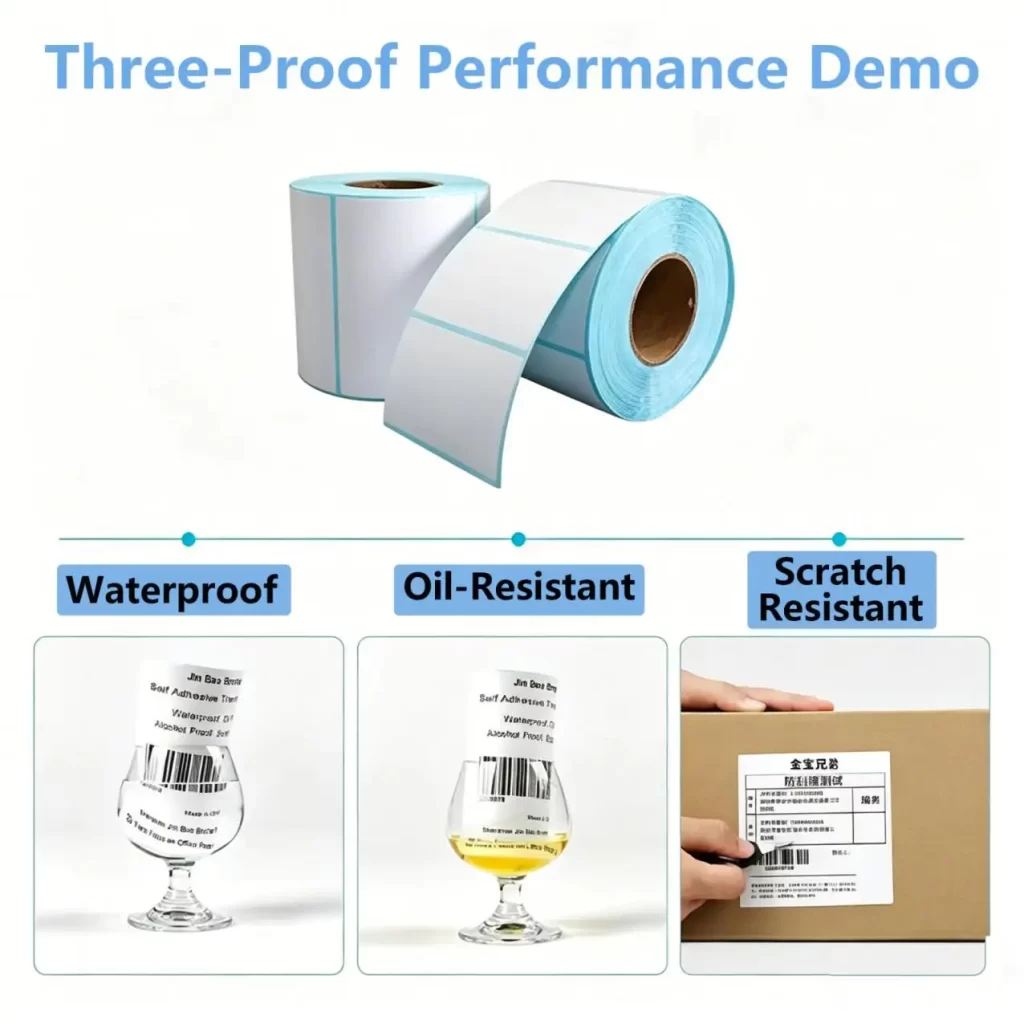
The claim of a label being waterproof, oilproof, or alcoholproof needs to be related to testing. The interaction of the coating with the liquid, the time of contact, and the pressure applied, along with the temperature and the grade of the coating, are the determining factors.
Are Durable Thermal Label Stickers Appropriate for Outdoor Use?
Durable Thermal Label Stickers can be used for various short-term outdoor applications such as:
•Outdoor logistics
•Temporary identification of equipment
•Storage outdoors in a shelter
•Tracking of pallets and totes
•Identification of project materials lasting weeks or months
•Assets shielded from direct sunlight for extended periods
These materials may be suitable for:
•Tracking during adverse conditions (UV, rain, etc.)
•Harsh or hostile environments (e.g. temperatures of hot equipment, etc.)
•Long-term outdoor use
•Safety and compliance documentation
For outdoor projects lasting a longer duration, consider using synthetic thermal transfer labels and resin ribbons for better image and material stability.
Direct Thermal vs Thermal Transfer Labels
| Selection Factor | Direct Thermal | Thermal Transfer |
| Printing supplies | No ribbon required | Ribbon required |
| Operation | Fast and straightforward | Requires ribbon and material matching |
| Typical duration | Short- to medium-term | Medium- to long-term |
| UV sensitivity | Generally higher | Can be reduced with suitable materials |
| Chemical resistance | Mainly depends on top coating | Can be enhanced with synthetic films and resin ribbons |
| Best suited for | Logistics and temporary asset tracking | Harsh or extended outdoor use |
The correct option should be based on expected service life and environmental exposure, not only the initial label cost.
Adhesive Selection for Outdoor Assets
Permanent adhesive thermal labels can be used on cartons, painted metal, powder-coated equipment, plastic totes, glass, stretch film, and curved tools. However, bonding performance depends on:
•Surface roughness and surface energy
•Dust, oil, or moisture
•Application and service temperature
•Asset curvature
•Label flexibility
•Applied pressure
•Time allowed for the bond to develop
"Permanent adhesive" does not imply universal use. Adhesives for PE, PP, oily metals, rough woods, and cold surfaces may require different systems.
Testing of Thermal Labels for Durability
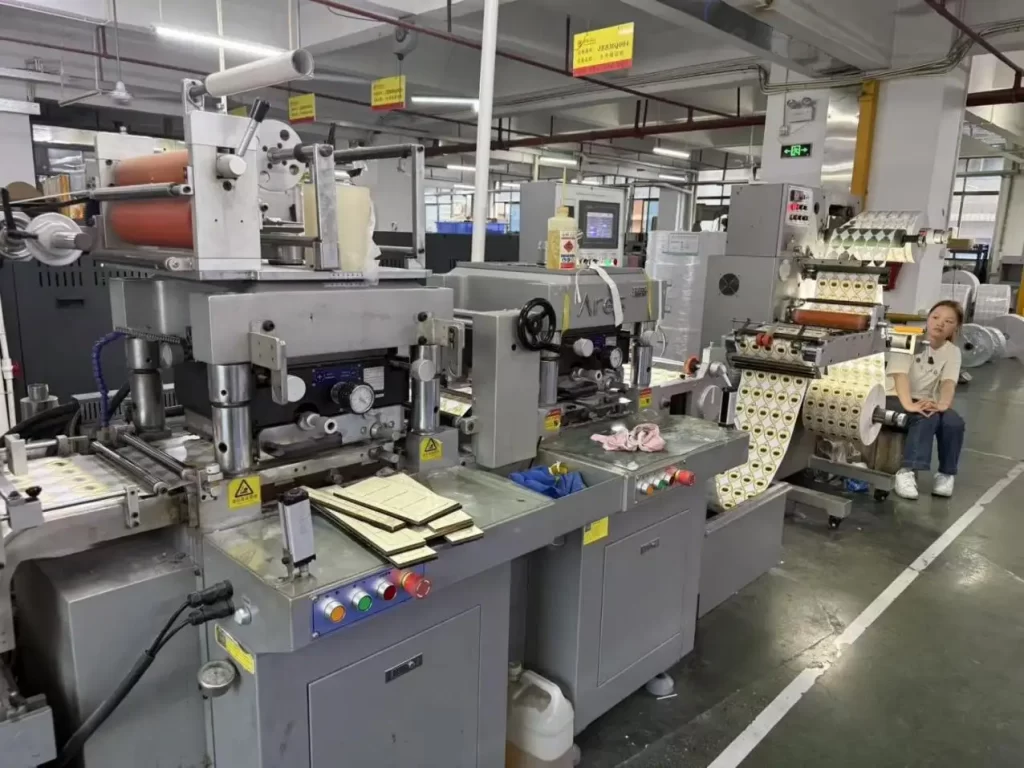
Before proceeding to large-scale production, it is important to perform testing of the labels in the actual situation where they will be used.
•Print using the specified thermal printer.
•The labels should be applied to the relevant surfaces.
•Determine if the labels are fed and aligned properly and if the thermal printer can print the labels at the required printer density and with the required clarity.
•Use the onsite available equipment to perform a test and scan the barcodes.
•Exposed to the environment where the labels will actually be used, perform the applicable methods to test the labels for durability against moisture and rubbing and to some degree against temperature changes.
•Inspect for curling, lifting, or damage to the label images.
•After exposure, repeat the barcode scan.
•Testing helps confirm whether the thermal paper, coating, adhesive, roll core, and printer settings work as one system.
Jin Bao Brother's Support for Thermal Label Projects
Jin Bao Brother manufactures Durable Thermal Label Stickers for logistics, warehouse identification, shipping, inventory tracking, and selected outdoor asset applications.
Available configurations include:
•Permanent adhesive backing
•Cardboard cores
•Water-, oil-, and alcohol-resistant coating options
•White and multicolour designs
•4" × 6", 100 × 150 mm, A6, and custom sizes
•Custom roll quantities and OEM packaging
Buyers can specify the printer model, surface of the asset, outdoor exposure time, temperature range, size of the label, and their requirement for resistance. Once the samples are created, they can be evaluated for printing, scanning and feeding, adhesion and environmental durability before proceeding to mass production.
Enhance Outdoor Tracking With Custom Labels
Reliable outdoor tracking requires more than just quick, ribbon-free printing. A complete assessment of the combination is required, including the thermal paper, protective coating, adhesive, asset surface, printer, and the required duration of tracking.
Jin Bao Brothers offers standard and custom Durable Thermal Label Stickers. Jin Bao Brothers' Durable Thermal Label Stickers have a protective layer, permanent adhesive, a cardboard core, and come in OEM cartons. To better understand your application and finalize your labels, please share your printer details.
FAQs
Q1. What are the main uses for the Jin Bao Brother Durable Thermal Label Stickers?
Jin Bao Brother Durable Thermal Label Stickers can be utilized in logistics, warehouse labeling, parcel shipping, inventory management, equipment labeling, pallet monitoring, and select short to mid-range outdoor asset tracking applications.
Q2. Are Jin Bao Brother thermal labels suitable for outdoor use?
Yes, certain thermal label coatings can be tested for use in covered outdoor storage, temporary labeling, tracking of pallets, and construction project equipment. Factors impacting suitability include exposure to sunlight, moisture, temperature, surfaces to which the labels are applied, and the length of time the labels are expected to be serviceable.
Q3. Do Jin Bao Brother Durable Thermal Label Stickers have waterproofing?
Custom coatings can improve label performance to resist contact with moisture and water for short periods of time but the labels will not be truly waterproof without testing the labels under specific conditions. Splash resistance can not be assumed to withstand continual exposure to rain or immersion.
Q4. Are the labels resistant to oil and alcohol?
Jin Bao Brother Durable Thermal Label Stickers can be made with a coating to promote the label resisting contact with oil and limited alcohol exposure. True performance will depend on the liquid, concentration, time in contact, how hard it is wiped, and the temperature.
Q5. What are the common label sizes?
The more common sizes available are 4 inches by 6 inches, 100 by 150 mm, and A6. Jin Bao Brother can also provide custom sizes based on their needs.
We'll Get Back Within 24 Hours