Home / News & Events /
 -
Share
-

-

-

-

Updated 2 months ago
Wholesale Thermal Paper Factory Quality Control: From Raw Paper to Finished Rolls
admin
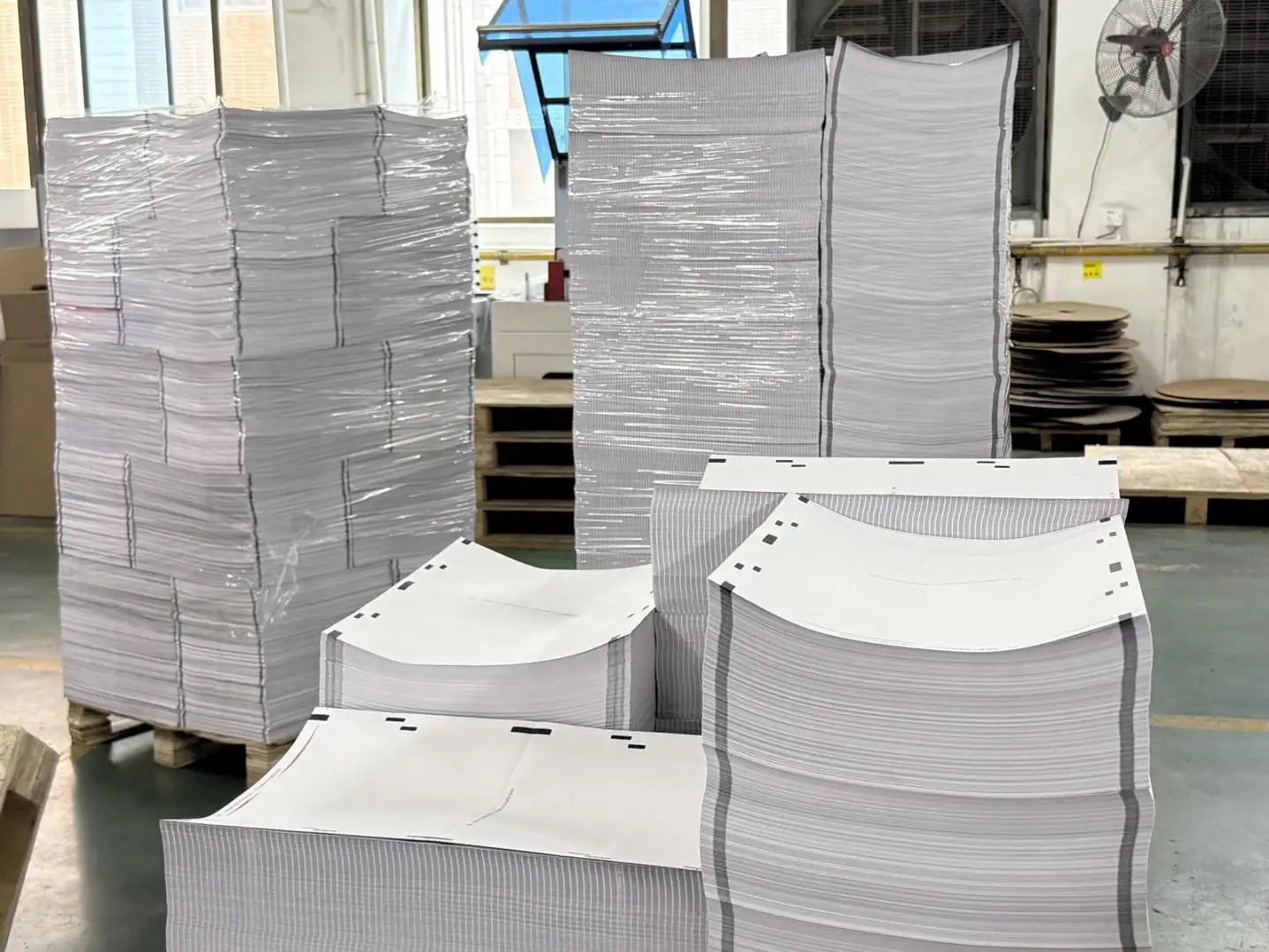
The performance of thermal paper is attributed to many elements beyond mere roll size or paper weight. Stability of base paper, uniformity of coating, slitting precision, winding tension, and even the storage and transport protection of the rolls, affect the performance of rolls in printers.
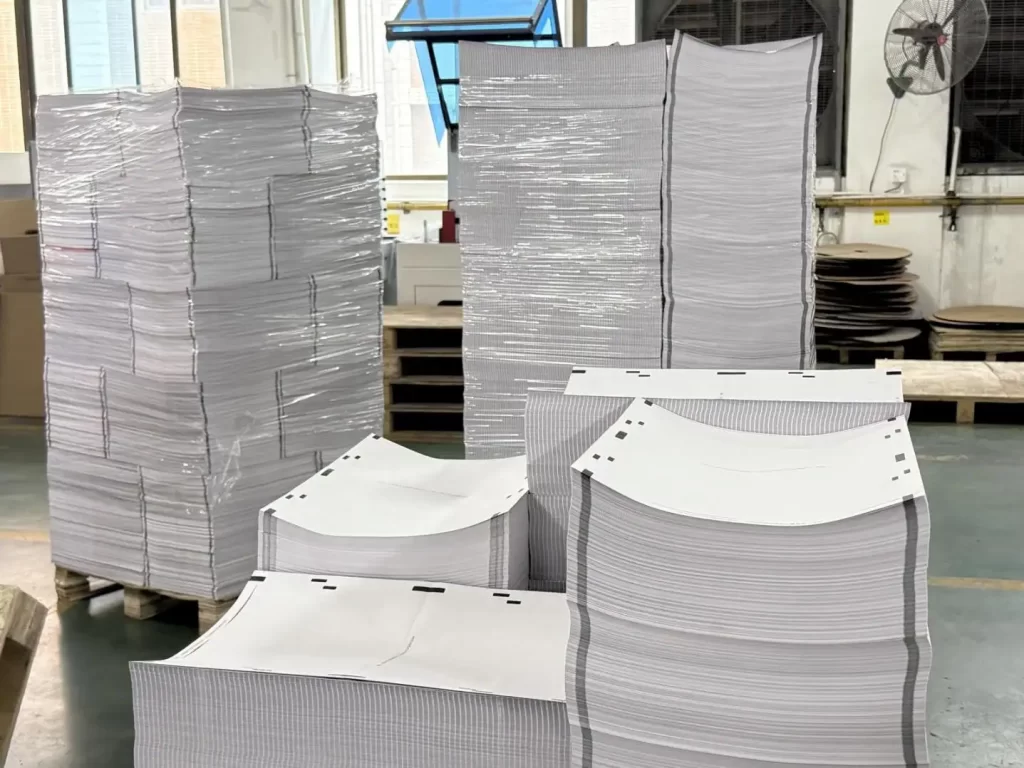
A Wholesale Thermal Paper Factory ensures consistent quality in production to maintain clear imaging, smooth feeding, precise roll dimensions, neat edges, and consistent performance, even for large-volume orders of thermal paper.
How a Wholesale Thermal Paper Factory Controls Quality?
Quality is typically controlled through six processes in a Wholesale Thermal Paper Factory:
- Inspection of base paper
- Testing of thermal coating
- Evaluation of jumbo rolls
- Control of slitting and winding processes
- Inspection of printing and packing
- Verification of quality during the final check
Each of these processes helps to control the quality of thermal paper to ensure it can be effectively used in POS terminals, ATMs, logistics systems, retail counters, and ticket printing systems.
Key Quality Indicators for Thermal Paper Rolls
Beyond mere appearance, the measurable performance of thermal paper is of critical importance to buyers.
| Quality Indicator | Why It Matters |
| Coating uniformity | Pale areas or uneven image density will be printed |
| Heat sensitivity | Determine speed of printing and the darkness of the print |
| Surface smoothness | Stable feeding |
| Abrasion resistance | Thus printed information remains legible |
| Width and diameter | Need to fit the printer |
| Edge alignment | Skewing, jamming, and telescoping will occur |
| Image retention | Receipt will be printed for a longer time |
| Moisture protection | Protects the heat-sensitive coating |
A Wholesale Thermal Paper Factory that is competent should define the standards of these inspections and ensure that they are consistently met for every batch of production.
Inspection of Raw Paper Pre-Coating
The base paper of a thermal roll contains the structural foundation that can be compromised when the fiber quality and/or moisture content become unstable. This can cause curling, rough edges, dust, paper breaks, and feeding issues.
The usual inspections done prior to coating are:
•Quality and consistency of wood pulp and fiber
•Weight and thickness of paper
•Degree of whiteness and surface cleanliness
•Moisture content
•Paper stiffness and tensile strength
•Surface defects, i.e. holes, wrinkles, particles
•Conversion dimensional stability
Jin Bao Brother purchases premium virgin wood pulp. We also assess the base paper for thickness, surface quality, stability, and suitability for coating. This enables us to optimize the consistency of the foundation for each of the paper coating, slitting, printing, and the production of finished paper rolls.
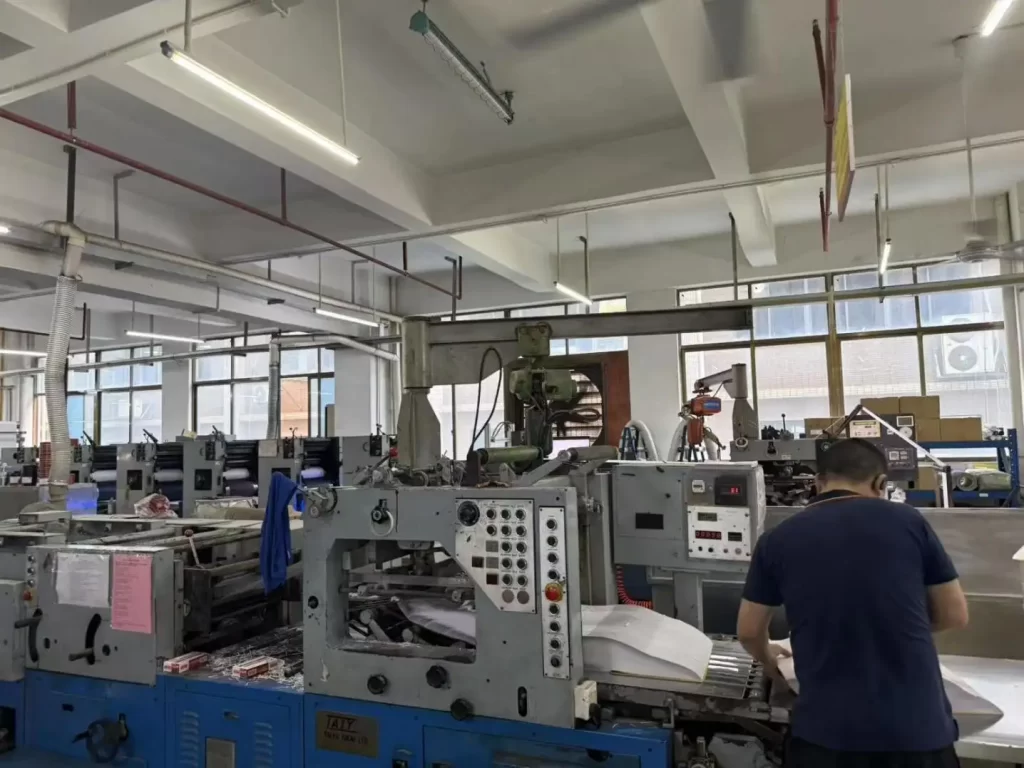
Thermal Coating Quality Control
Coating Uniformity
The thermal layer must uniformly coat the surface of the paper. Coating irregularities can cause problems such as:
•Printing inconsistencies
•Missing or weak image
•Dark spots
•Images retention varying
•Same print settings yield different results
A Wholesale Thermal Paper Factory must analyze the coating surface and how it responds to thermal imaging.
Heat Sensitivity
Heat sensitivity is how fast and how clearly paper responds to a thermal printhead. Testing can include:
•The first imaging temperature
•Maximum image density.
•Response to high-speed printing.
•Different heating settings.
•How consistent it is from one batch to another.
Smoothness and Wear Resistance
Contact between the printhead and paper depends on surface smoothness. A print surface with a higher roughness will increase friction, cause residue build up, and increase printhead wear.
After the coating, Jin Bao Brother tests uniformity, heat sensitivity, smoothness, and wear resistance before sending the jumbo rolls for converting.
Jumbo Roll Slitting and Winding Inspection
The coating process begins with cutting coated jumbo rolls into smaller rolls. Both cutting and winding controls are crucial for correct roll feeding during the printing process.
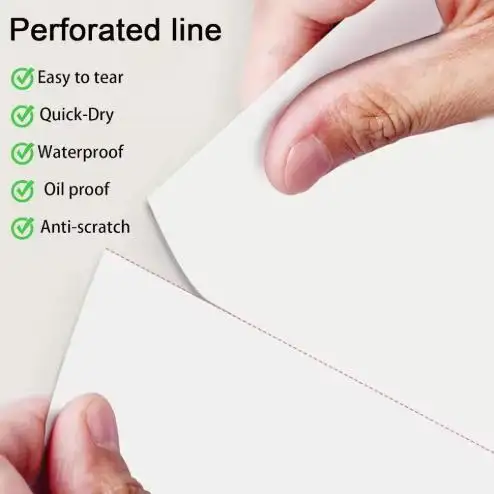
Before Slitting
Winding rolls are inspected for:
•The jumbo roll width and diameter
•The paper thickness
•The coating quality
•Cleanliness of the surface
•Any damage such as wrinkles, scratches, etc.
•Any defective material will be removed before it enters the cutting line.
During Slitting
The operators are checking:
•The condition of the blade
•Smoothness of the edges
•Length of the roll
•Winding
•Core position
•Alignment of the roll-face
•Finished rolls
Incorrect tension may cause tight-wound rolls, loose rolls, telescoping, uneven feeding, and other effects.
After Slitting
The inspection of finished rolls takes into consideration:
•Overall dimensions and core size
•End-face alignment
•Surface and edge condition
•Suitability for thermal imaging and compatibility with printers
This multi-step method eliminates defects at the packaging stage for the Wholesale Thermal Paper Factory.
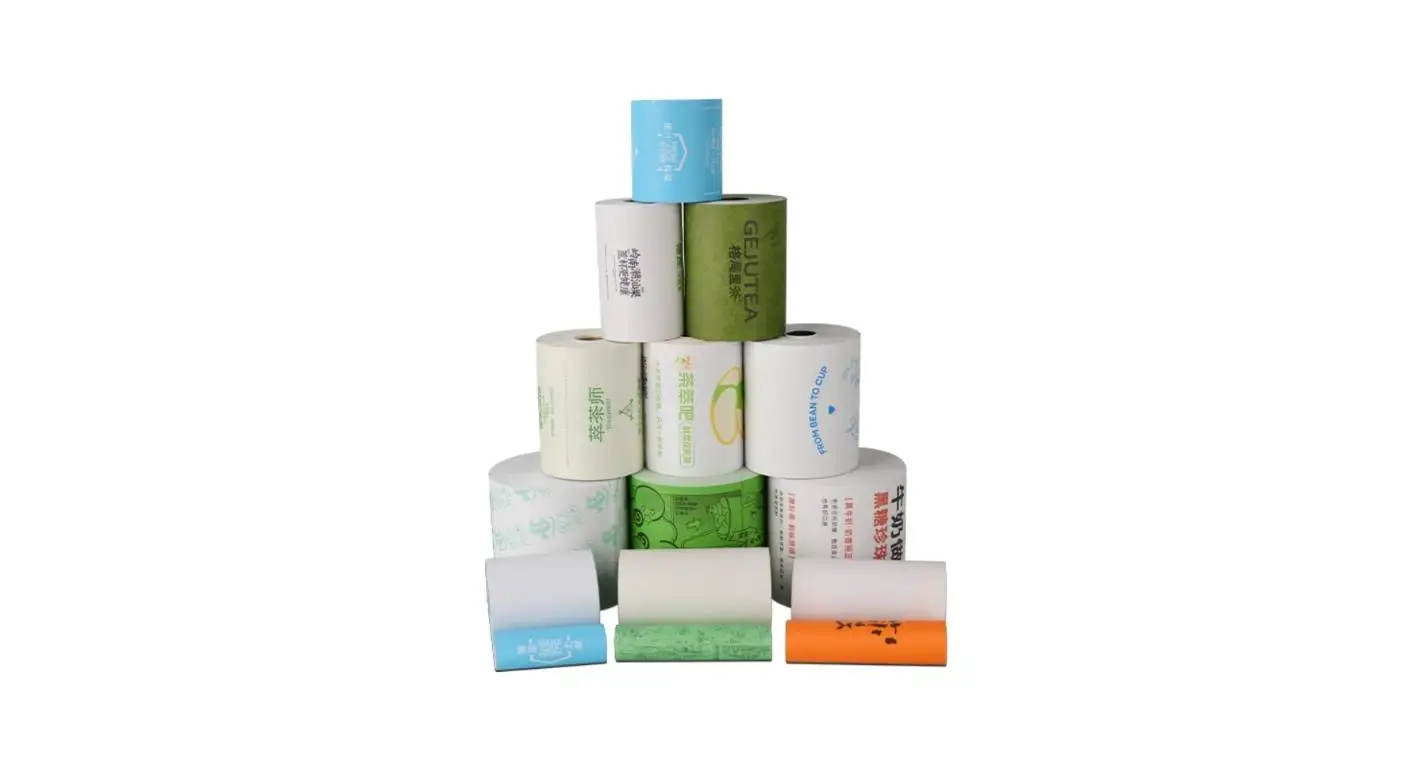
Inspection of Printed and OEM Thermal Paper
Receipt rolls that are custom-printed require extra controls. The factory must ensure that the following are monitored during the printing process:
•Color
•Logo placement
•Artwork placement
•Alignment
•Clarity
•Length of repeat
•Adhesion of ink
•Uniformity of the batch
The pre-printing process must not impact the thermal side, cause sticking, or deterioration of feeding stability.
Jin Bao Brother supports customized roll widths, diameters, paper weights, core sizes, pre-printed content, branded packaging, jumbo rolls, and finished rolls. In-house printing and slitting allow specifications to be coordinated within one production system.
Packaging and Pre-Shipment Checks
Thermal paper can be affected by humidity, dust, heat, sunlight, and friction. Packaging quality is therefore part of product performance.
Prior to shipment, a Wholesale Thermal Paper Factory should confirm the following:
•Correct quantity and specification of products
•Integrity of packaging seals
•Protection from moisture and dust
•Presence of labels and batch identification
•Strength of cartons
•Arrangement of pallets
•Darkness and clarity of print
•Dimensions of rolls and their feeding characteristics
The order of approvals is as follows:
Sampling → Printing Test → Dimension Assessment → Package Test → Approval to Ship
Rolls that do not conform to specifications should be segregated, and as per company quality standards, should either be reprocessed or replaced.
Common Thermal Paper Defects
| Defect | Likely Cause | Control Point |
| Uneven printing | Irregular coating | Coating and print tests |
| Paper dust | Base paper or blade issues | Material and cutting inspection |
| Rough edges | Worn or misaligned blades | Slitting monitoring |
| Loose rolls | Low winding tension | Tension control |
| Telescoping | Uneven winding | Roll alignment |
| Feeding problems | Curling or size variation | Dimensional testing |
| Early fading | Coating or storage conditions | Retention testing |
| Moisture damage | Inadequate sealing | Packaging inspection |
Jin Bao Brother's Integrated Manufacturing Support
Jin Bao Brother has produced paper products since 1992. Its integrated facilities cover thermal coating, jumbo roll slitting, in-house printing, converting, inspection, and automated packaging.
The following products are available:
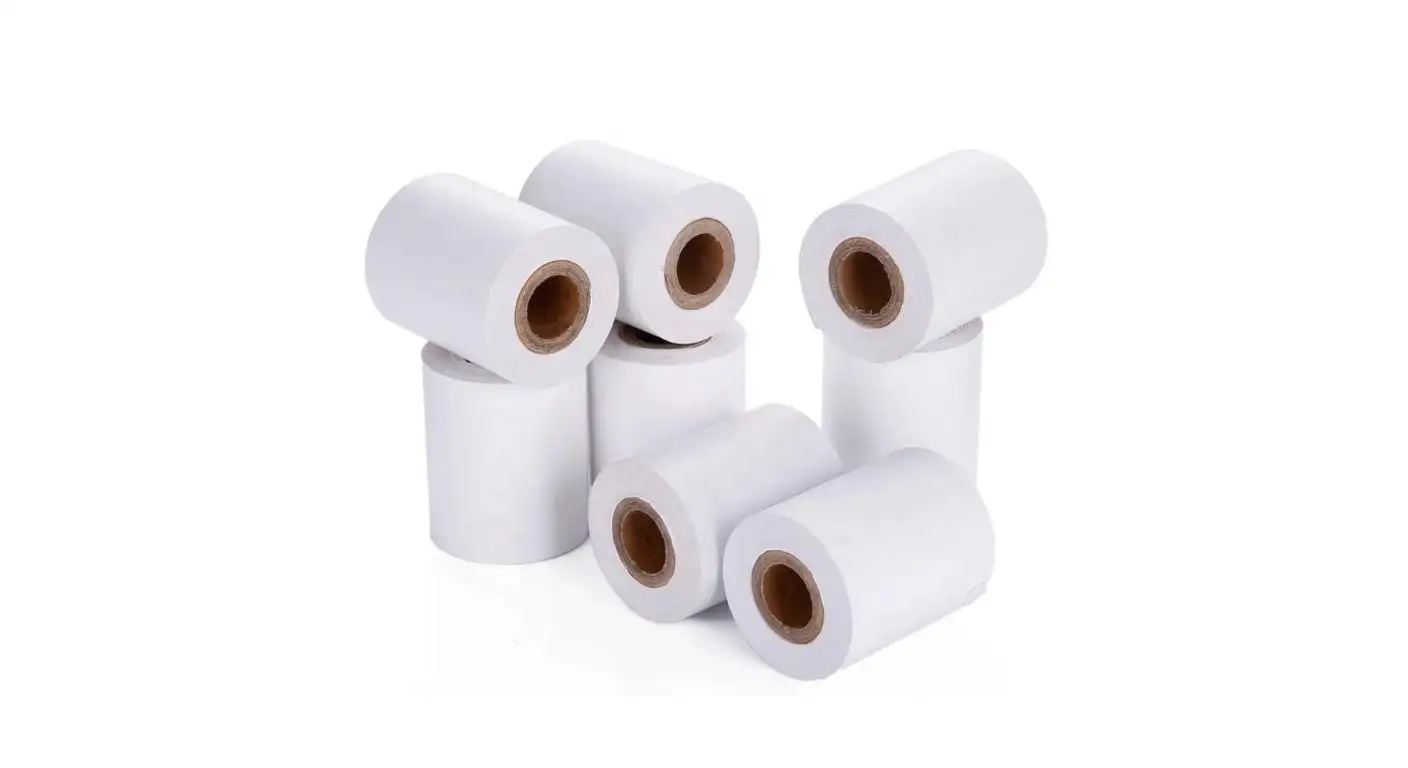
•Thermal cash register paper and
•Non-thermal cash register paper
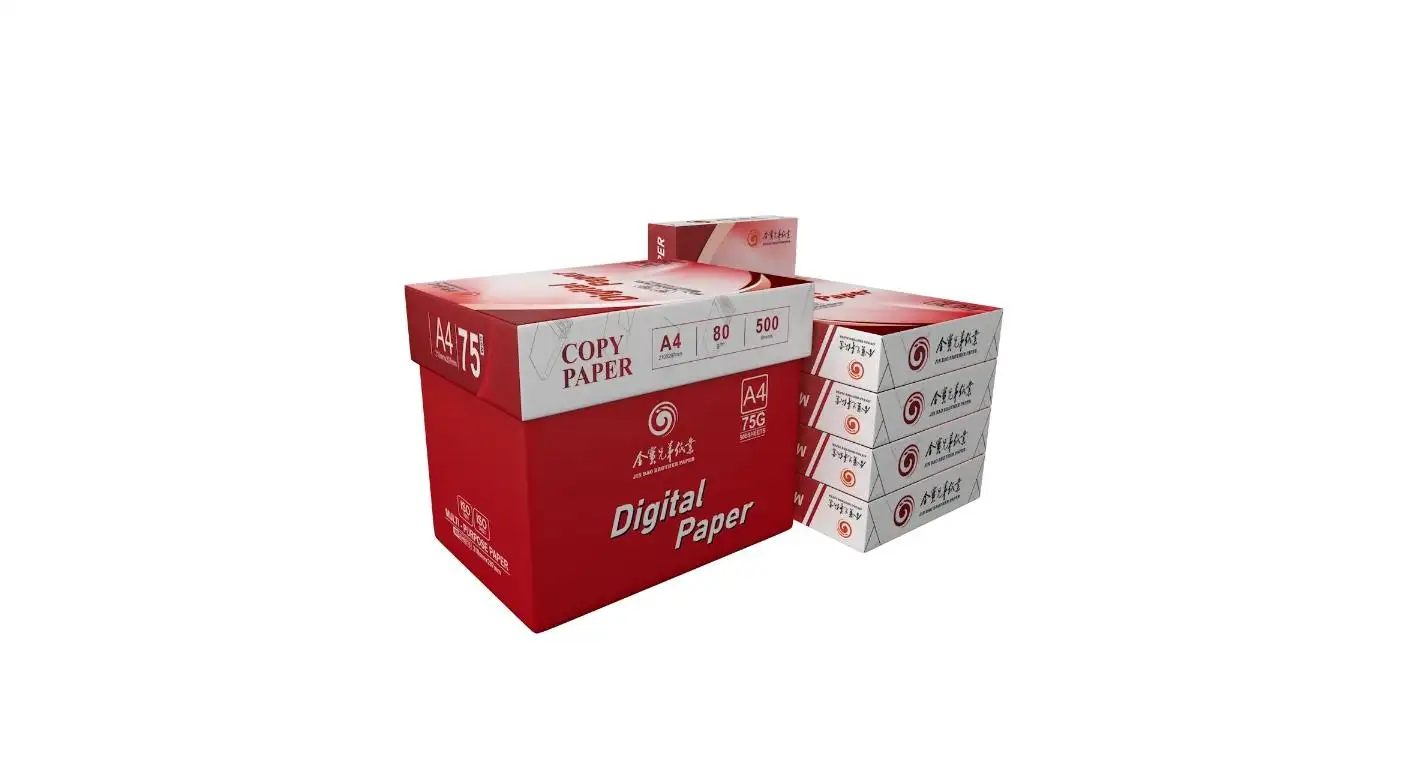
•Copy paper
•Carbonless NCR paper
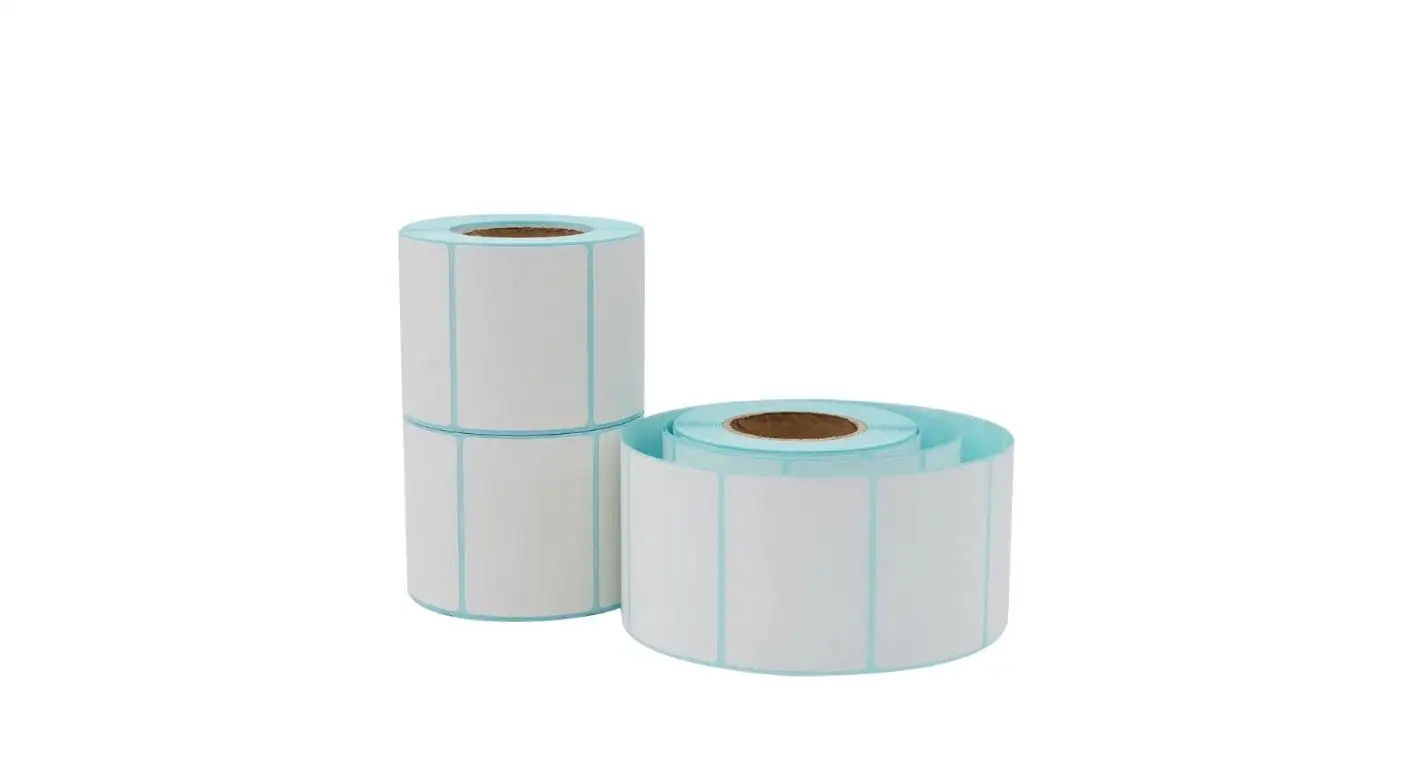
•Self-adhesive label paper
•Jumbo rolls and finished rolls.
Jin Bao Brother also provides BPA-free thermal paper and the services of an export packer, along with coordinating shipment services and providing multilingual services to importers, wholesalers, converters and brand owners.
The first product sample will be provided within 7-10 days. The lead time for made-to-order or stock confirmed orders can be expedited based on order requirements, production schedules, packaging and shipment destinations.
In Closing
The Wholesale Thermal Paper Factory guarantees quality thermal paper with excellent printing clarity, precise cutting, and improved paper feeding and storage.
We also invite you to provide the required specifications for each product roll, including printing artwork and packaging for the desired end-use, in order to provide the required product rolls for testing printing performance before bulk production.
FAQs
Q1. Which thermal paper products are offered by Jin Bao Brother?
Jin Bao Brother offers a wide range of products that include POS paper rolls, ATM paper, retail receipt rolls, logistics paper, custom printed rolls, as well as finished and coated jumbo rolls for converting factories.
Q2. Are all Jin Bao Brother thermal paper rolls BPA free?
Yes, Jin Bao Brother thermal paper rolls are all BPA free, and they offer BPA free thermal paper for customers that require safer materials or need to meet compliance for certain regions or applications.
Q3. What applications can Jin Bao Brother thermal paper rolls be used for?
Jin Bao Brother thermal paper rolls can be used in POS terminals, cash registers, ATMs, supermaket and restaurant thermal printing activities, as well as in ticket and retail thermal printing activities among many other applications.
Q4. Are thermal paper rolls flexible in terms of dimensions by Jin Bao Brother?
Yes, dimensional specifications are flexible to customer needs for roll width, roll diameter, paper length, paper weight, core size, winding direction, and many others.
Q5. Can Jin Bao Brother thermal paper rolls be customized with printing?
Yes, their factory can accommodate custom printing with logos as well as promotional and advertisement printing while maintaining control over print alignment, clarity, repeat length, and ink adhesion.
We'll Get Back Within 24 Hours