



 Home / News & Events /
 -
Share
-

-

-

-

Updated 7 months ago
The Current State of the Thermal Paper Market and Medium-to-Long-Term Forecasts
admin
I. Current Market Situation
China is the world’s core thermal paper producer and exporter, dominating the global
export market and serving as the core hub of the global supply chain. With mature production technology and stable product quality, Chinese thermal paper products are exported to almost all countries and regions around the world, supporting the normal operation of global retail,
logistics, medical and other industries. Key data: In 2023, China’s thermal paper export
volume exceeded 280,000 tons, of which 54% were exported to countries along the " Belt and Road" initiative, relecting China’s important position in the global thermal paper supply
chain. Currently, China’s thermal paper production costs are experiencing sharp, continuous increases, which are mainly driven by regional conlicts in the Middle East, leading to global
energy shortages and tight supply of key chemical raw materials.
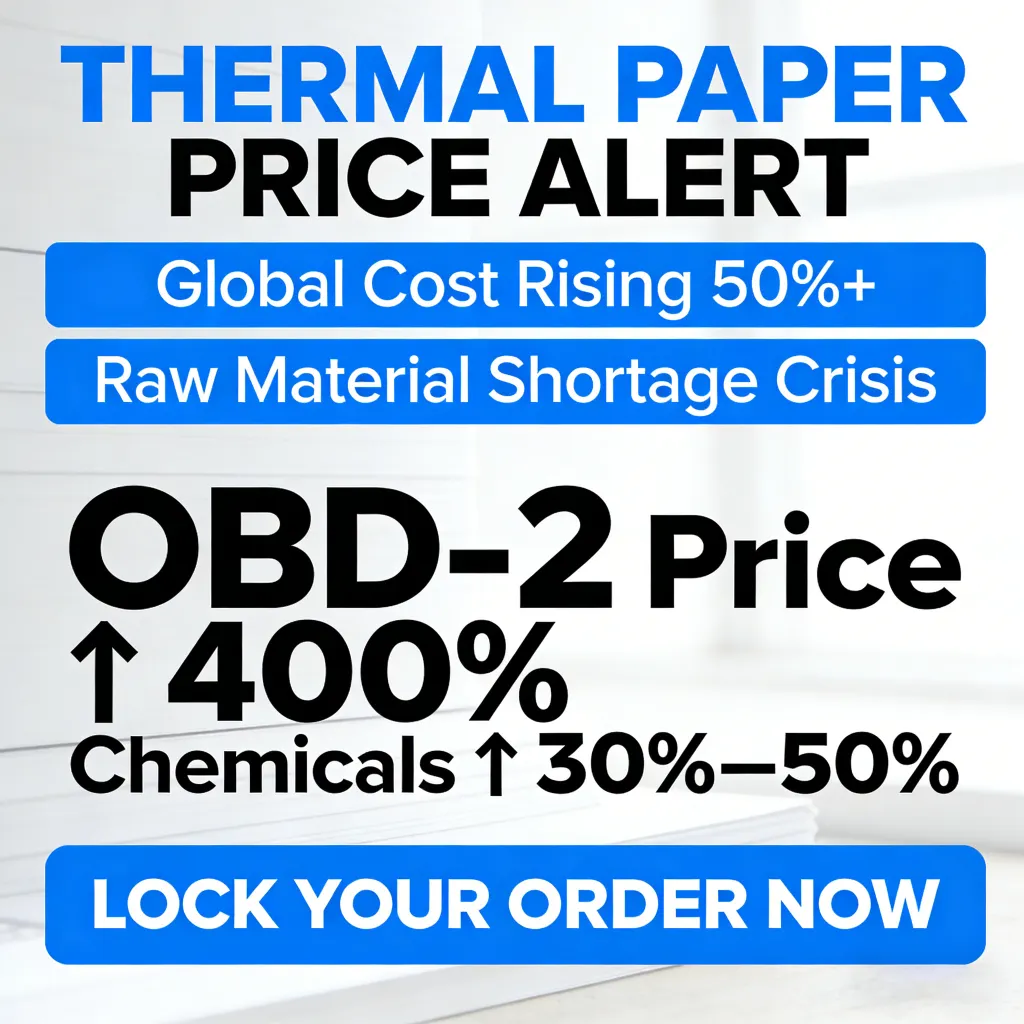
Cost Forecast: Afected by the continuous tension of raw material supply and rising transportation costs, the overall production cost of thermal paper is expected to rise by more than 50% within April, and the upward trend may continue in the short term.
Cost Composition (Key Data)
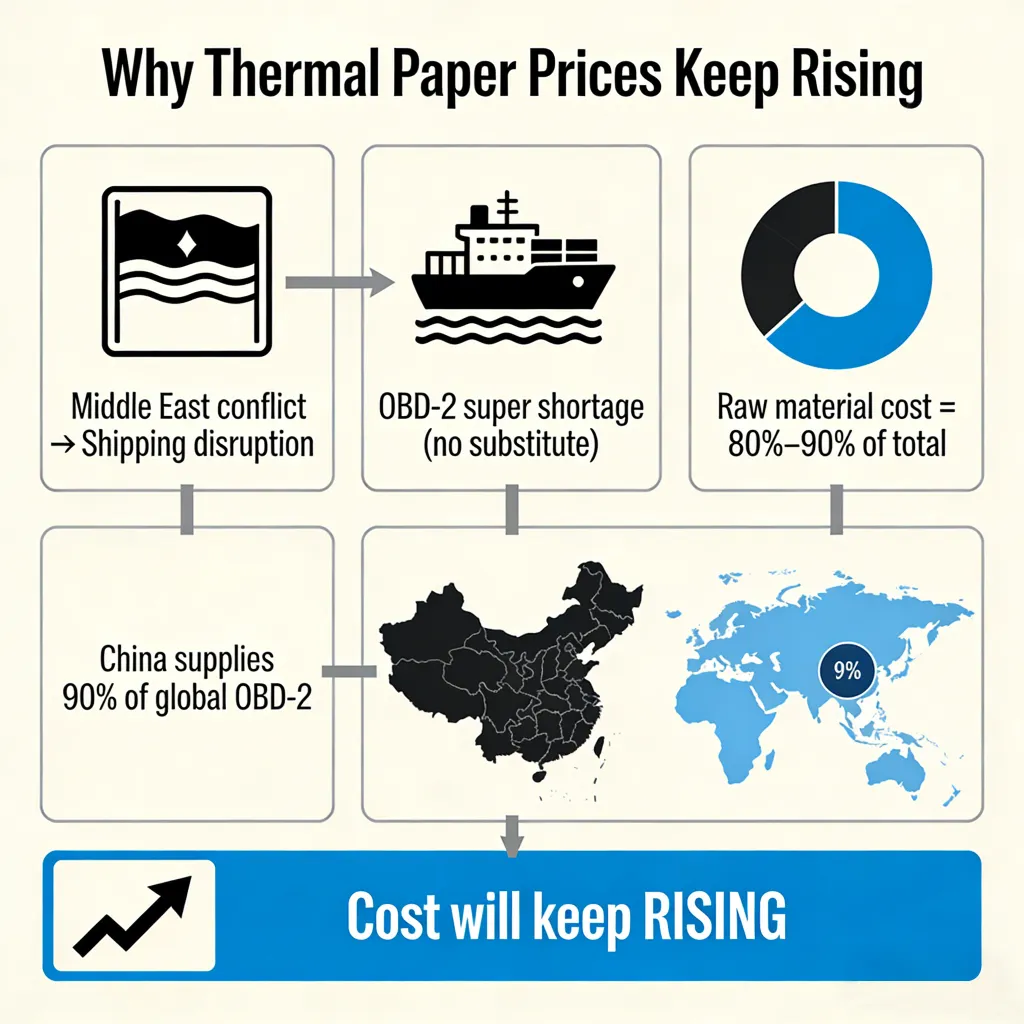
The cost structure of thermal paper production is relatively concentrated, among which raw material cost accounts for 80%-90% of the total production cost, while processing cost
accounts for less than 10%, which means that the price luctuation of raw materials directly
determines the change of thermal paper production cost. Speciically, the raw material cost is mainly composed of two parts:
• Base paper: As the carrier of thermal coating, it accounts for about 40%-50% of the total raw material cost, and its price is also afected by the global pulp supply and energy prices.
• 66 types of thermal chemical materials: As the core component of thermal paper显色, it accounts for about 40%-60% of the total raw material cost. Afected by the Middle East
conlict, the prices of these materials have increased by 30%-50%, further pushing up the overall cost.
OBD-2 (core color-developing material, no substitutes): As the most critical raw material in thermal paper production, its supply and price directly determine the normal production of global thermal paper. The speciic situation is as follows:
• Scarcity: The upstream raw material of OBD-2 is a by-product of the pharmaceutical
industry, with extremely low extraction eiciency—only 500 grams of this raw material can be extracted from 1 ton of related drugs, resulting in its inherent scarcity.
• Price surge: Afected by the shortage of upstream raw materials and tight market supply, the price of OBD-2 has soared from the original 100,000 RMB/ton to 500,000 RMB/ton, and it is
expected to exceed 1,000,000 RMB/ton in the future with the continuous intensiication of supply shortage.
• Supply-demand gap: At present, the global annual demand for OBD-2 is about 6,000-7,000 tons, while the total global production capacity is less than 3,000 tons, and the supply-demand contradiction is extremely prominent.
II. Core Driving Factors
(I) Global Coverage of Impact
As the core producer of global thermal paper and OBD-2, China is the irst to be afected by the cost increase. The production cost of thermal paper in China has increased by 20% within 1
week, and this cost pressure will be quickly transmitted to all countries and regions around the world through the global supply chain, with a time lag of about 7-14days. It is worth noting
that China accounts for nearly 90% of the global OBD-2 market, among which the top 3
Chinese manufacturers hold 75% of the global market share, which means that no country can avoid the impact of this cost increase.
(II) Skyrocketing Core Material Prices
The skyrocketing price of core materials is the direct driving force for the increase of thermal paper production cost, mainly relected in two aspects:
- OBD-2: As an irreplaceable core material, its price has increased by 400% so far compared with the original price, and with the continuous shortage of upstream raw materials, there is still great room for further upward movement.
- Other 66 thermal chemicals: In addition to OBD-2, the prices of other 66 thermal chemicals required for thermal paper production have also increased by30%-50%due to global energy shortages and logistics disruptions caused by regional conlicts, forming a comprehensive price increase pattern.
(III) Geopolitical Impact
Geopolitical conlicts in the Middle East have further exacerbated the supply dilemma and cost pressure of thermal paper raw materials, mainly afecting the transportation and supply of raw materials:
- Strait of Hormuz: As a key global energy and chemical shipping artery, it has fallen into
phased obstruction due to regional conlicts, with no ship navigation onMarch 14. The average daily navigation volume before the war was 77 ships, and now it has dropped sharply, leading to a surge in shipping costs and an increase in the import cost of thermal paper raw materials.
- Unpredictable risks: At present, it is impossible to determine whether the recently bombed ships sailing from Israel to China are loaded with OBD-2- related raw materials. If they are
loaded, it will further exacerbate the shortage of OBD-2 upstream raw materials.
Israel ’s chemical industry: As an important supplier of OBD-2 upstream raw
materials, Israel ’s local chemical facilities are facing the risk of accidental damage
due to the escalation of conlicts. For example, the Haifa Oil Reinery was hit by missile attacks on March 19. If key chemical facilities are damaged, it may lead to a complete interruption of OBD-2 upstream raw material supply, which cannot be recovered in
the short term.
III. Medium-to-Long-Term Trend Forecast
- Cost Trend: The production cost of thermal paper will continueto rise in the short term, and there is no possibility of a decline. The stabilization of cost depends on two key
premises: the termination of regional conlicts in the Middle East and the signiicant increase of global OBD-2 production capacity.
- Industry Challenges: The global thermal paper industry is currently facing the most severe supply chain crisis in history. The probability of a peaceful settlement of the Middle East
conlict in the short term is extremely low, and the shortage of OBD-2 and related chemical materials is diicult to alleviate. At the same time, the global demand for thermal paper is strong. It is estimated that the global thermal paper market size will reach 25,090.5 million US dollars in 2026, of which POS applications account for about 55%, and the continuous growth of demand will further exacerbate the supply-demand contradiction.
- Global Impact: All countries in the world will face the pressure of thermal paper cost
increase. Local suppliers in various regions have limited production capacity and insuffi cient inventory, which cannot replace China’s supply position in the global thermal paper and OBD-2 market.
- Long-Term Pattern: With the sharp rise in OBD-2 prices, some manufacturers that withdrew from the market due to price wars in the past have the willingness to resume production,
but the resumption of production requires a certain cycle, including equipment debugging, raw material reserve and production line running-in, so efective supply cannot be formed in the short term. It is expected that the cost of thermal paper will gradually stabilize only after a long period of adjustment.
IV. Response Suggestions
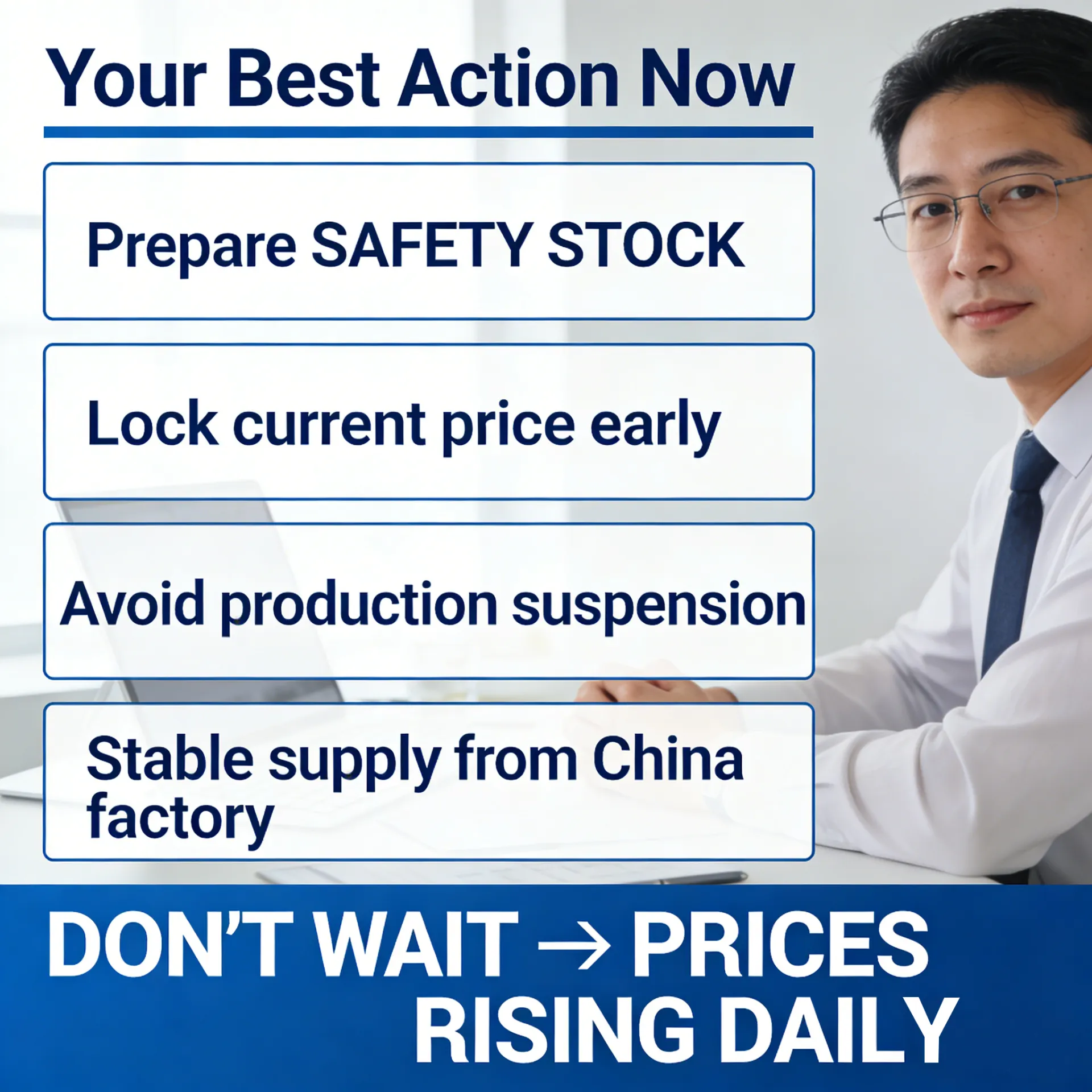
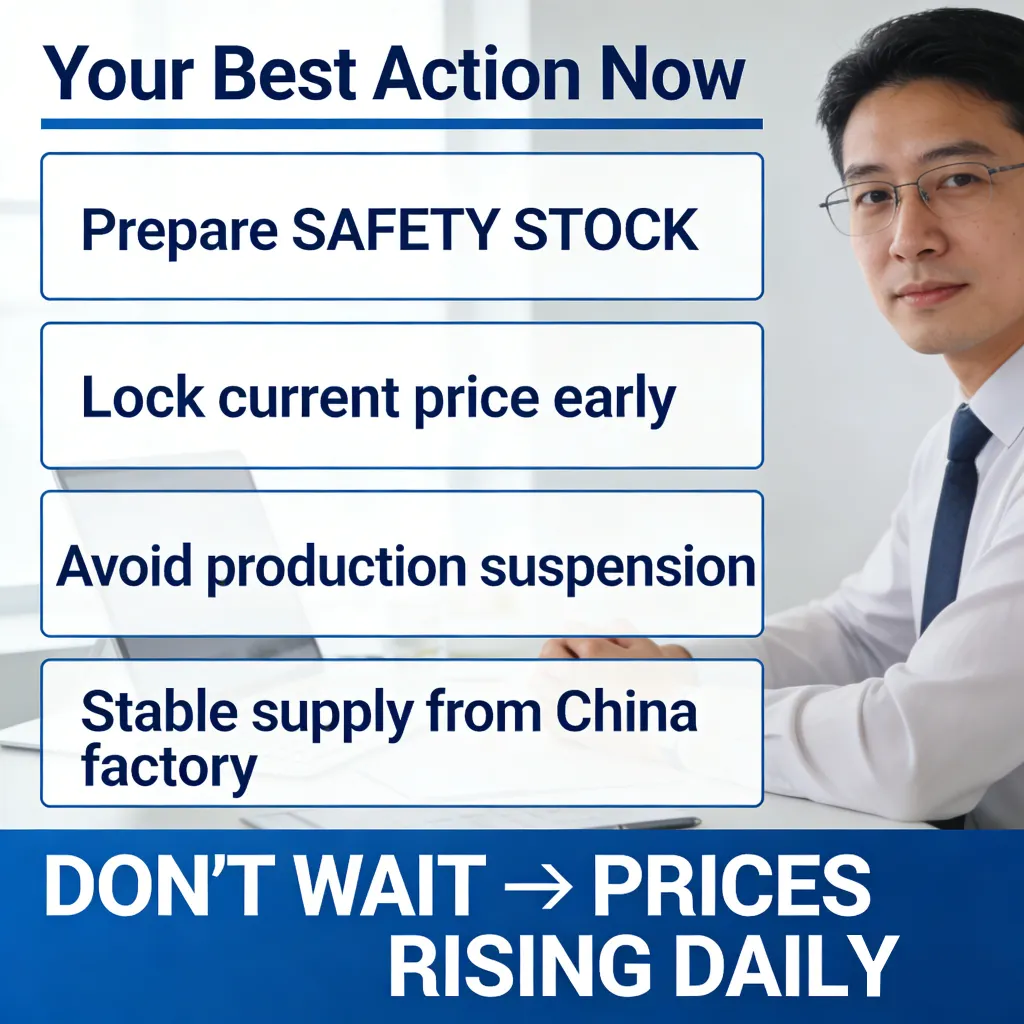
- Inventory Management: It is recommended to timely reserve a reasonable safety stock
according to the actual production and operation needs to avoid the risk of production
suspension caused by raw material shortage. At the same time, it is not recommended to
reserve excessive inventory, because the current market situation has great uncertainty, and there is a very small probability of improvement, which may bring inventory risks.
- Operation Planning: Combined with the trend of continuous cost increase, relevant enterprises should adjust inventory management and sales strategies in advance,
reasonably transfer cost pressure to the terminal market, and avoid operational risks caused by the sharp increase of production costs.
We will continue to pay close attention to the changes of the global thermal paper market and raw material prices, and synchronize the latest information to all relevant parties in a timely
manner. Thank you for your cooperation and support.
We'll Get Back Within 24 Hours
Related Articles

Cash Register Roll Quality Testing: 7 Technical Parameters Buyers Should Check
2026-09-30

Custom Carbon Copy Paper Technology | Jinbao Brother
2026-09-30

How Long Do A4 Thermal Paper Rolls Last? Image Durability and Storage Explained
2026-09-29
Eco-Friendly A4 Thermal Printing Paper: Sustainability Trends and Recyclability
2026-09-29
