



 Home / News & Events /
 -
Share
-

-

-

-

Updated 3 days ago
Thermal Cash Register Paper: A Guide for Chain Enterprises From Technical Features to Commercial Value

JINBAO
Jinbao Paper operates a modern factory with strict quality control and exports thermal paper rolls to over 20 countries across Europe, Asia, and the Americas. The company supports OEM customization, fast delivery, and competitive pricing for global clients.
Jinbao Paper specializes in the production of thermal paper, copy paper, label stock, and other paper-based consumables. With 34 years of manufacturing experience and international certification, the company is committed to providing sustainable, high-quality solutions for printing needs worldwide.
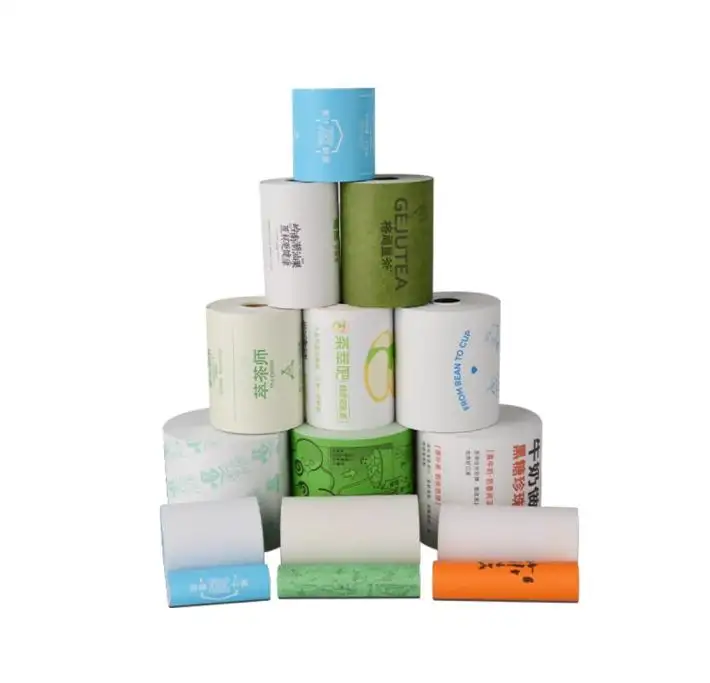
In everyday scenarios like checking out at supermarkets, paying bills at restaurants, or picking up parcels at courier stations, thermal cash register paper is that unobtrusive yet ubiquitous item. This tiny piece of paper is more than just a transaction receipt; it is a carrier of technical principles and commercial value. Especially for chain enterprises, customized printed thermal cash register paper serves as a low-cost, high-reach "mobile billboard".
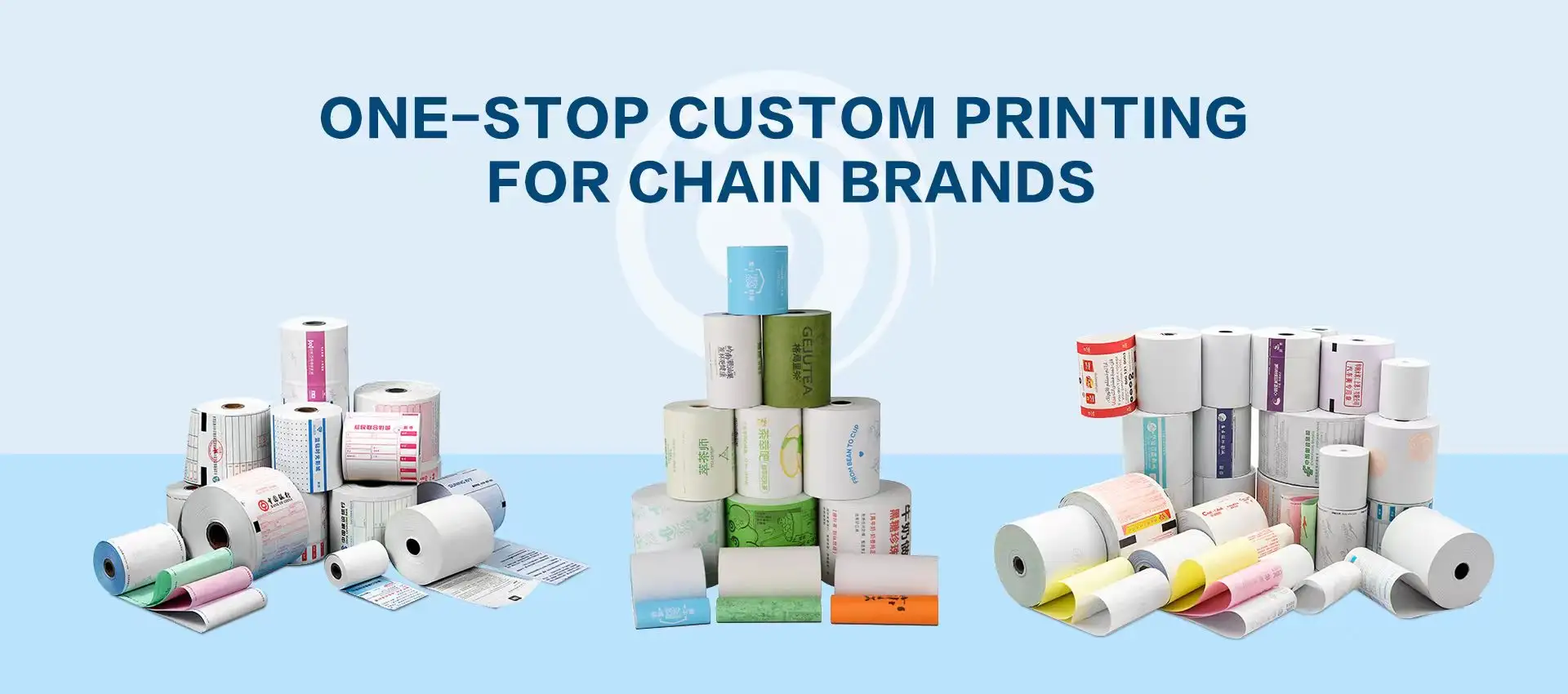
From a technical perspective, thermal cash register paper is not ordinary paper. Its core structure consists of three layers: the base paper layer, the thermal coating layer, and the protective layer. The base paper layer determines the paper’s toughness and thickness, serving as the fundamental carrier. The thermal coating layer is the core component, made by mixing leuco dyes, developers, and stabilizers. When heated by the printer’s thermal head, the chemicals in the coating react to produce visible text or images without the need for ink or ribbons. The protective layer isolates moisture, grease, and friction, extending the lifespan of the printed content. Thanks to this special structure, compared with dot matrix printing paper, thermal cash register paper boasts distinct advantages such as faster printing speed, lower noise, and reduced consumable costs, making it the preferred consumable for cash register systems in chain stores.
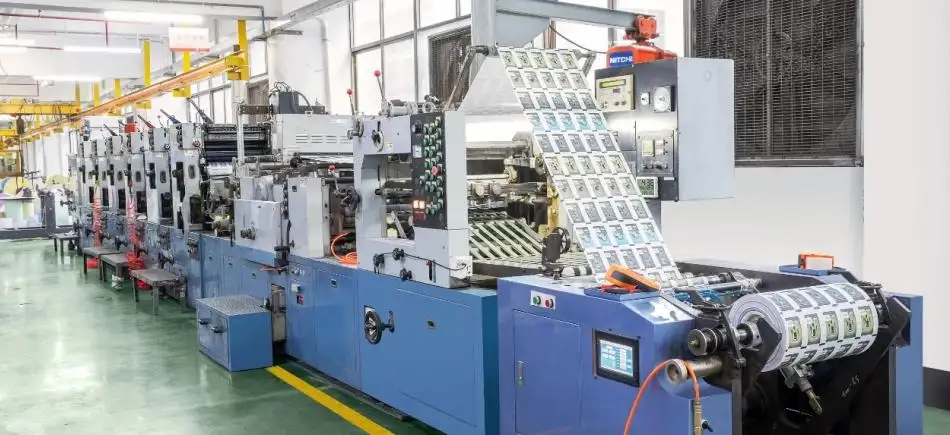
When evaluating the performance of thermal cash register paper, there are several core indicators that chain enterprises should prioritize during procurement. First is thermal sensitivity: the higher the sensitivity, the clearer the printed text, and the wider the range of compatible cash register models, which helps avoid after-sales disputes caused by blurry printing. Second is weather resistance: different coating formulas determine how long the printed content remains legible. Restaurant receipts typically only need short-term retention, while after-sales vouchers in the retail industry require long-lasting coatings to ensure the text does not fade within several months. Third is print compatibility: the flatness of the paper and compatibility between the ink and coating directly affect printing quality. Inferior paper not only results in blurry printed patterns but may also damage the thermal coating, disrupt normal printing, and increase equipment failure rates in chain stores. Additionally, chain catering enterprises whose receipts may come into contact with food must pay attention to the paper’s environmental and compliance standards, ensuring it meets the GB 4806 series of food safety requirements to avoid compliance risks.

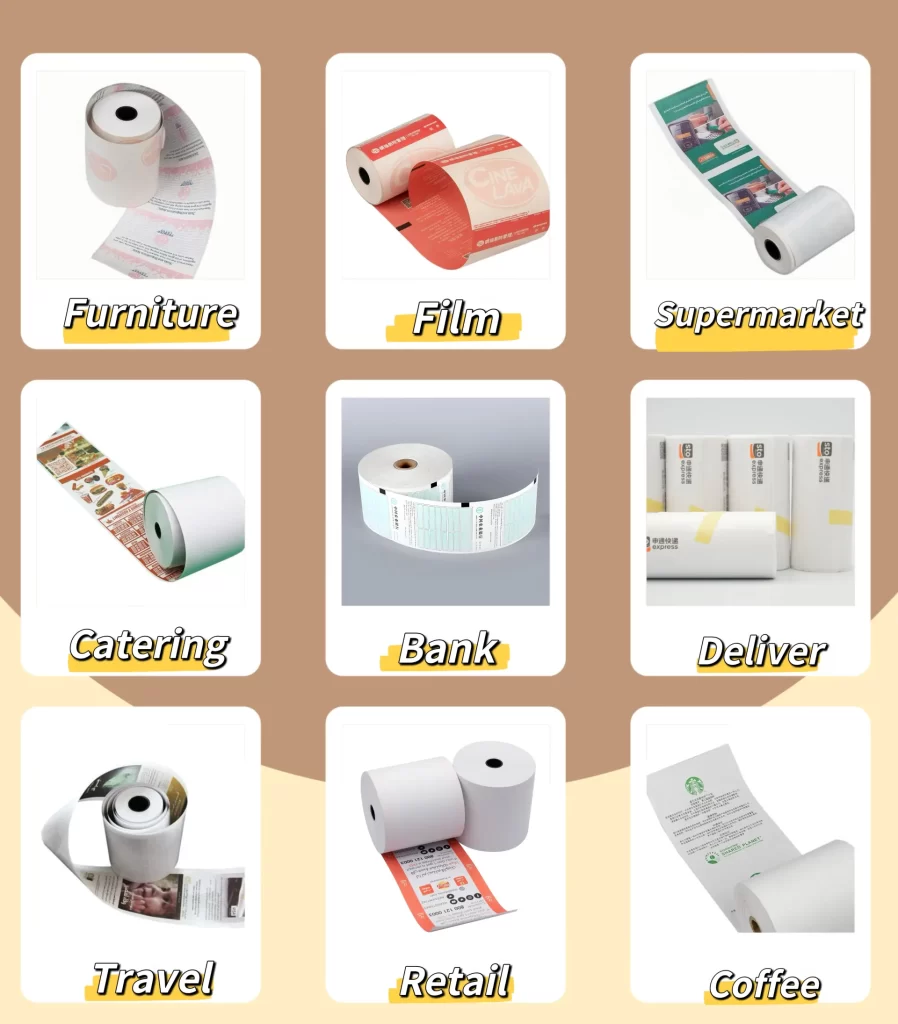
The application scenarios of thermal cash register paper have long gone beyond traditional cash register functions, extending to multiple operational aspects of chain enterprises. In retail chain stores, it serves as a carrier for consumption details and membership points. In catering chain brands, it holds dish lists and invoice information. In logistics chain outlets, it functions as courier waybills and parcel pickup vouchers. For chain enterprises, standardized thermal cash register paper is a basic consumable that ensures the efficient operation of all stores, while custom printing endows this small receipt with new commercial value.
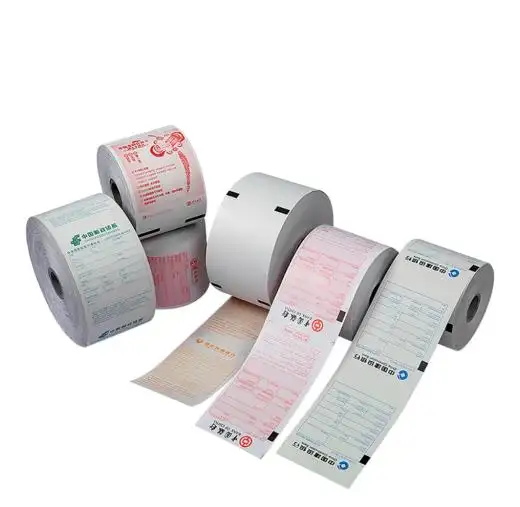
Printing is the key to transforming thermal cash register paper from a "consumable" into a "marketing tool". Printing brand logos, store addresses, and customer service hotlines on receipts strengthens brand recall in the short time customers review their receipts, achieving high-frequency brand exposure. More importantly, printing promotional information, new product recommendations, and coupon QR codes can precisely target customers who have already made purchases, driving repeat consumption. Compared with traditional advertising methods like leaflets and posters, printed receipts require no additional channel investment and achieve subtle marketing conversion by leveraging existing transaction scenarios. A chain milk tea brand once increased its store repurchase rate by 15% simply by printing "buy-one-get-one-half-off" coupons on its receipts, which vividly embodies the concept that "one receipt is one billboard".
Furthermore, printing helps chain enterprises solve anti-counterfeiting and compliance issues. Printing exclusive anti-counterfeiting marks and tax supervision seals can effectively prevent receipt forgery, safeguarding the legitimate rights and interests of both enterprises and consumers. Uniformly printed after-sales instructions and product usage tips also ensure consistent service standards across all stores, enhancing the overall image of the chain brand.
This tiny piece of thermal cash register paper is both a combination of technology and practicality and a low-cost marketing breakthrough for chain enterprises. In a market environment characterized by stock competition, valuing the potential of this "small billboard" and tapping into its technical and commercial value will become an important means for chain enterprises to enhance brand influence and customer loyalty.
Written by
JINBAO
Jinbao Paper operates a modern factory with strict quality control and exports thermal paper rolls to over 20 countries across Europe, Asia, and the Americas. The company supports OEM customization, fast delivery, and competitive pricing for global clients.
Jinbao Paper specializes in the production of thermal paper, copy paper, label stock, and other paper-based consumables. With 34 years of manufacturing experience and international certification, the company is committed to providing sustainable, high-quality solutions for printing needs worldwide.
We'll Get Back Within 24 Hours
Related Articles
Why More Industries Are Locking It In for the Long Term
2026-01-10
Top 10 Cash Register Paper Manufacturers in China
2026-01-09
Thermal Cash Register Paper: A Guide for Chain Enterprises From Technical Features to Commercial Value
2026-01-08
What Problems Non-Toxic Thermal Paper Solves in Receipt Printing
2025-12-15
