Home / News & Events /
 -
Share
-

-

-

-

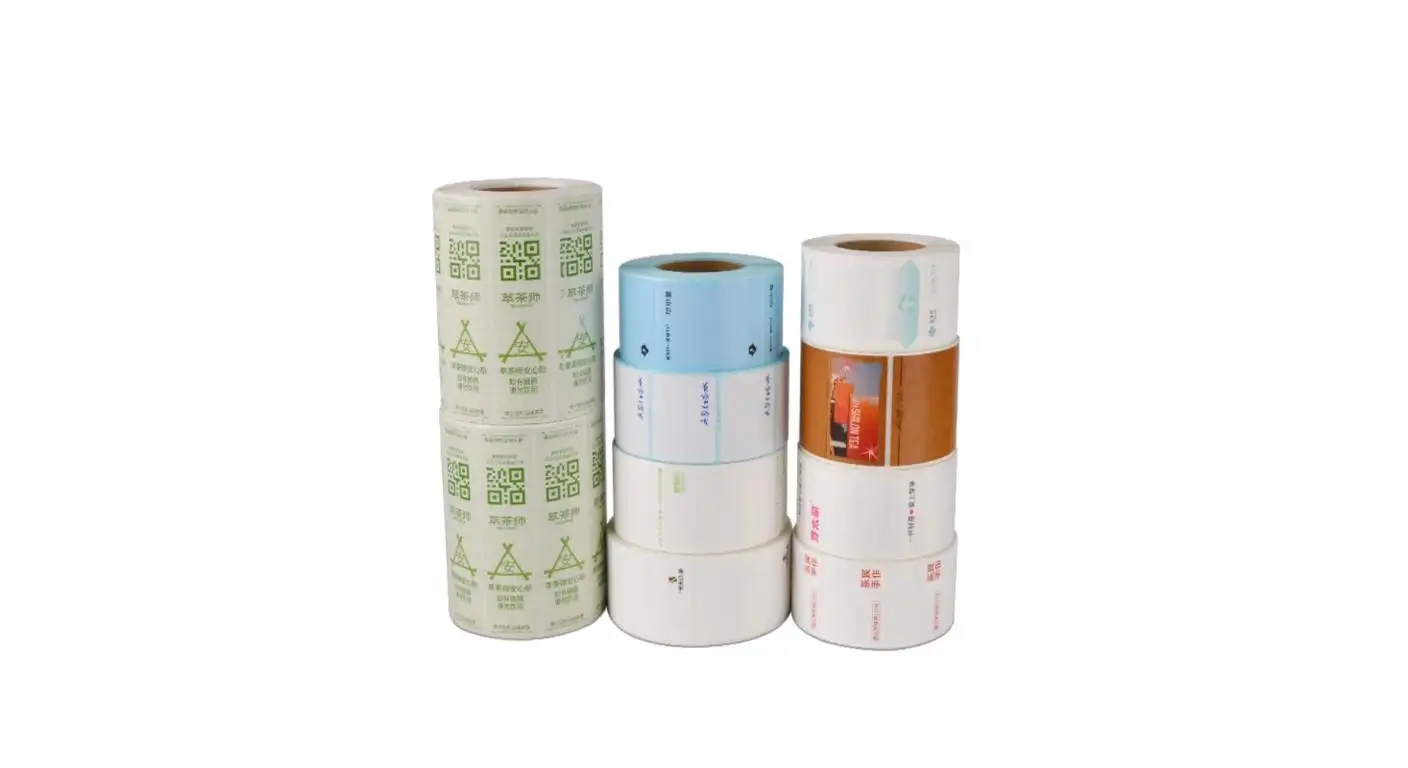
The retail label is a multi-purpose document. It has to stand out on the shelf, be product recognizable, contain the required information and be package and scannable at the cashier.
In order to present themselves correctly, a label can appear as if it is correct in a digital artwork file, but not when applied. It could occur when it comes off a curved bottle, when it is wrinkled on a flexible container, when displayed in a refrigerated cabinet or when there is a significant difference in color between production lots.

Therefore custom labels made for retail products must start with the package, the retail environment and retail application process and not just graphics.
Use Retail Journey as a starting point.
Different stresses are formed at each stage. Friction between cartons may damage a print surface. Condensation can be caused by refrigeration. Flexible packaging can be bent numerous times; bathroom and cosmetic products can be subjected to water, oils or cleaning chemicals.
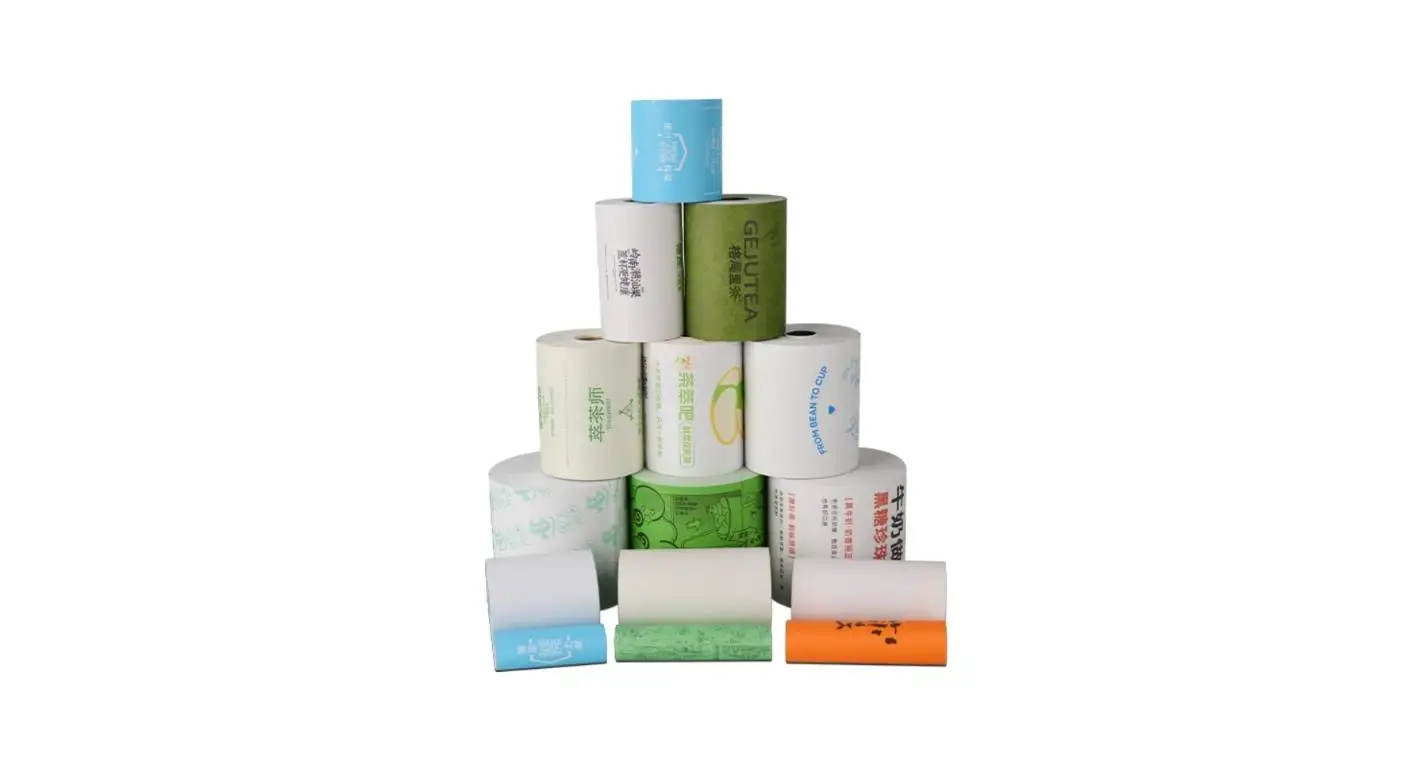
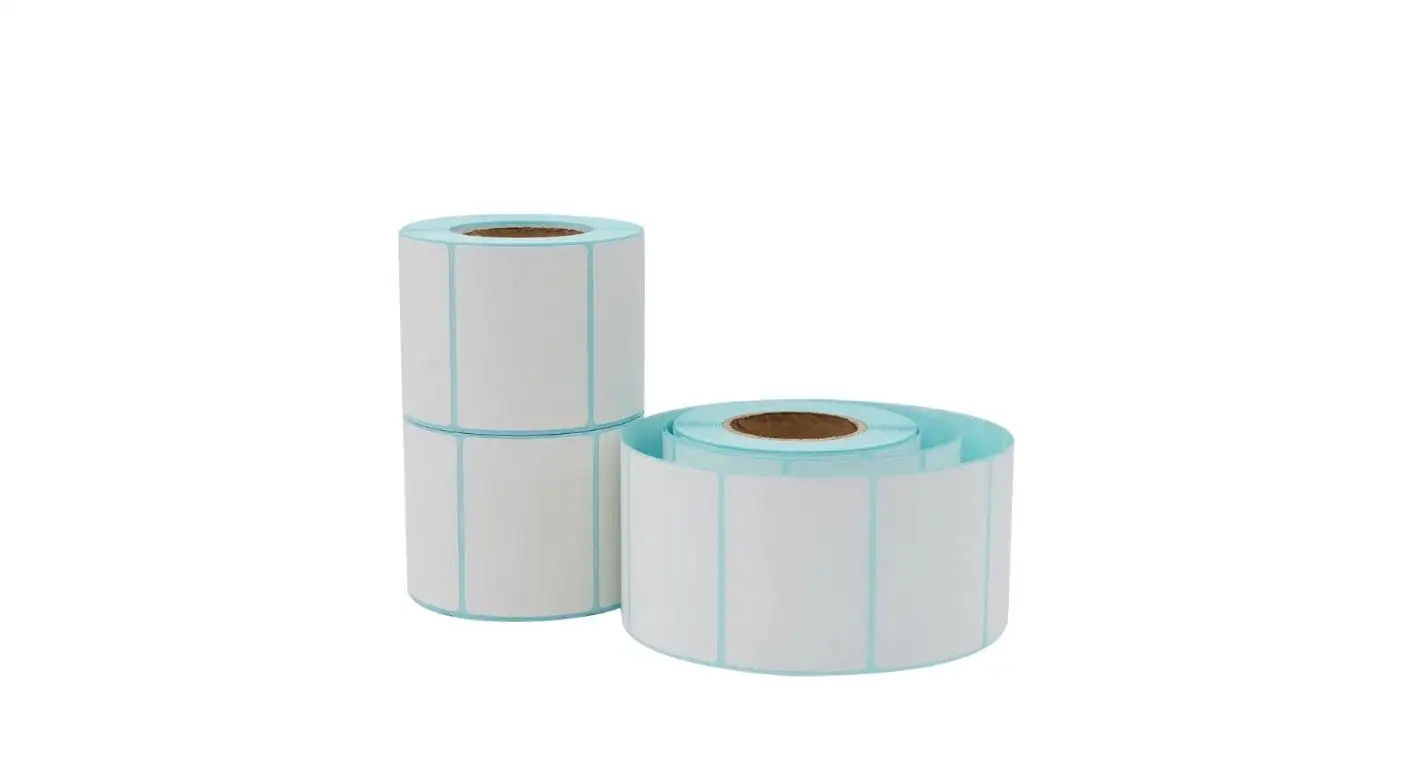
Jin Bao Brother's label sticker products can be self-adhesive or not, can be packaged in various sizes and various adhesives, and can be printed with various printing methods for different use occasions, such as retail label, logistics, warehouse, food packaging.
So the right retail label is the one that will perform at the toughest part – it's not just one that just looks great right out of the press.
Label to the Package Surface
The surface energy, texture, curvature and cleanliness of the package affects the adhesive performance.
| Retail Package | Main Label Challenge | Suggested Face Material | Adhesive Priority |
| Coated paper box | Smooth surface and shelf presentation | Coated paper label | Standard permanent or removable |
| PET beverage bottle | Condensation and curved surface | Top-coated paper or film | Moisture-resistant permanent |
| HDPE cosmetic bottle | Low surface energy and oils | Compatible film or coated paper | High-tack adhesive |
| Glass jar | Moisture and clean visual appearance | Paper, clear film or white film | Permanent or washable-off |
| Flexible pouch | Repeated bending | Flexible film or thin paper | Flexible permanent adhesive |
| Frozen-food package | Low-temperature application | Moisture-resistant paper or film | Freezer-grade adhesive |
| Corrugated carton | Rough and uneven surface | Durable paper label | High-tack permanent adhesive |
| Reusable container | Residue-free removal | Paper or film | Removable or washable adhesive |
What is good adhesive for a paper box may be bad adhesive for a small diameter plastic bottle. There are different types of cardboard and the surface needs to be strong enough for the textured one and removable promotional labels should leave little residue.
It is important to test labels on the actual packaging containers prior to production, not on an uncontaminated laboratory panel. The test package should contain the actual surface coating and filling conditions and container form.

Select Face Material: Exposure
The graphics and printed information is on the face material. Paper labels are excellent in print quality and have a retail look, whereas synthetic films are more resistant to water, tearing and repeated handling.
Uncoated or semi-coated paper could be appropriate for products to be used in dry indoor conditions. Top coated paper offers extra protection to the surface, and films might be more suitable for cosmetics, beverages, household chemicals or products stored in damp environments.
Jinbao's top coated label range is an alternative to basic paper labels for applications where moisture resistance and handling is required.
Use the Right Adhesive Behavior
The term “Strong adhesive” is not a full specification. Initial tack, final bond, application temperature and service temperature and removability should be considered.
Retail labels might be needed to include:
- Adhesive that can be used for permanent identification.
- Sticky for promotion (removable).
- Adhesive that is suitable for frozen products.
- Sticky very rough cartons
- Low-temperature application performance
- Moisture or Oil resistance
- The practice of using reusable containers and removing them clean.
- It can be repositioned when hand applying to the plant.
Except where the adhesive is formulated to be used under other conditions, the label is for use on a clean dry surface. Even if the adhesive is adequate, dust, mold-release agents, condensation and oil can decrease the bond.
Peel and edge-lift tests should be conducted after application and subsequent to when the adhesive has reached its ultimate bond strength.
Use a Separate Branding from Variable Information.
Retail labels frequently include a fixed branding component, as well as product or batch information that varies between each label.
Branding can be applied to preprinted labels, and information added to thermal, thermal transfer, inkjet or laser equipment later.
Jinbao's custom printed label stickers are designed to be used in branded packaging, promotion and shipping. The label construction, however, still needs to be matched to the customer's variable data printer, ribbon or ink system.

Choose the Printing Method by Label Life
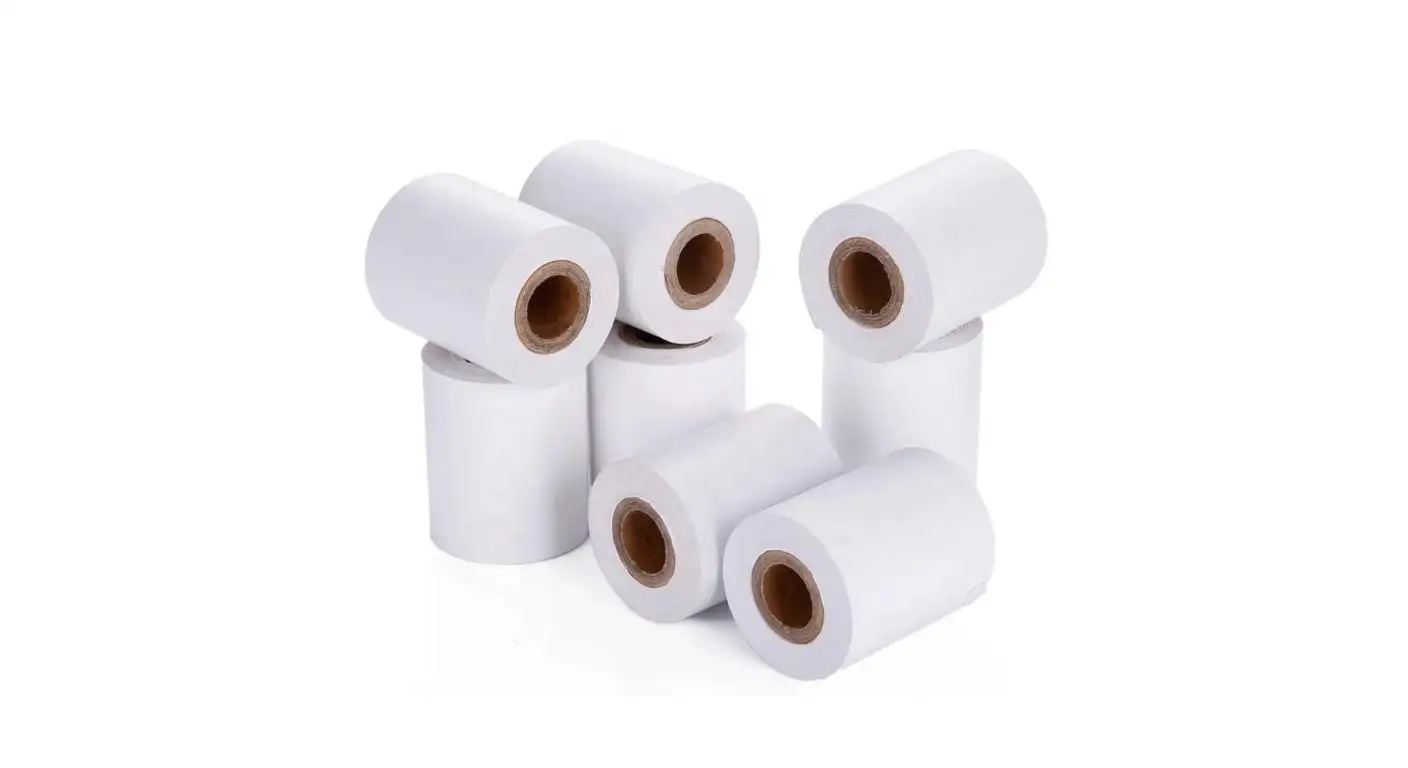
For price and stock labels and for logos in logistics, direct thermal printing can be used and is efficient since no ribbon is needed for problem-free printing. Direct thermal images, however, may be influenced by heat, friction and long exposure to light.
Jinbao's direct thermal labels are suitable when fast and clear variable labelling is more critical than long-lasting environmental durability.
Typical uses are for longer lasting barcodes, inventory identification and retail products that must withstand more challenging handling and are selected for thermal transfer printing because they utilize a ribbon. Ribbon formulation should correspond to the face material(s) used:
- Make wax ribbons for numerous paper labels.
- Abrasion resistant wax-resin ribbons.
- Suitable Resin Ribbons for tough exposure.
Brand graphics are typically done in full colour flexographic or digital printing. The last technique can involve factory printed branding and variable printing onsite at the packing facility.
When using the Barcode, follow these rules:
Even with an appealing label design, a good performance at checkout cannot be guaranteed if the barcode is not always scannable.
Highly reflective finishes can cause glare and a narrow bottle can have a bar code around it, which can affect the geometry of the bottle. The barcode is to be tested, not just on a flat proof, but on the final package.
Retailers should run samples at various angles and distances at equipment used on retail counters and in retail warehouses.

Finishes for a Measurable Purpose
Appearance can be enhanced with lamination, varnish, foil, embossing and specialty coatings – all of which are used for a specific purpose and should therefore have a strong performance or branding dimension.
Applying a protective varnish might help minimize scuffing. Lamination helps to increase moisture resistance. Matte or gloss finishes can affect the look of a room, as matte finishes can create a high-end look and gloss finishes can enhance colours.
Finishes, however, can also impact:
- Barcode reflectivity
- Recyclability
- Label flexibility
- Adhesive converting
- Overprinting
- Production cost
- Lead time
Areas where later thermal printing is needed should not be covered with finishes unless they are compatible with the thermal printing process.
Regulation of colours, registration and die-cutting to control.
In retail, product families typically share a common design system, with different flavors, sizes and/or markets. When the products are on display side by side, slight differences in production may become apparent.

In its label production system Jinbao mentions quality checks for raw materials, adhesive strength, colour registration and slitting accuracy as well as packaging and final shipment.
Production samples will need to be compared with a controlled colour target and actual retail product packaging under store like lighting in the approval process.
| Inspection Item | Test Method | Risk Revealed |
| Brand color | Compare with approved master under controlled light | Visible batch variation |
| Print registration | Inspect text, borders and multi-color edges | Misaligned graphics |
| Barcode readability | Scan labels after application | Checkout or inventory failure |
| Adhesive performance | Test initial tack and final bond | Edge lifting or label loss |
| Die-cut position | Measure print-to-cut alignment | Uneven margins |
| Release performance | Apply labels manually or by machine | Liner tearing or dispensing failure |
| Surface resistance | Rub and moisture exposure test | Scuffing or image damage |
| Roll configuration | Check core, diameter and winding direction | Applicator incompatibility |
The following details can be verified:The following details can be confirmed:
Even if the label is printed correctly, it can cause disruption of production should the roll be wound in the wrong direction or the label not fit on the applicator.
Hand applied labels can have more variation than automatic applied labels. Label spacing and release behaviour and roll tension are important parameters for high speed applicators.
Final Selection Check
Good custom labels for retail products link up visual identity and packaging engineering. The face material, adhesive, print method, finish and barcode location and roll configuration must all be one.
Applied-package testing, transport simulation, environmental exposure and checkout scanning should be used to verify the final approval. A successful label should have a uniform appearance on the shelf; stay on the product when handled and consistently provide accurate product information until the end of the intended use.
Jin Bao Brother produces custom printed labels, material selection, adhesive choice, print, die cut and roll convert for retail brands and distributors. Samples can be tested on the finished package prior to entering into regular production.
FAQ
Q1. What kinds of information can custom retail labels have?
They can contain brand and product information, barcodes, ingredients, instructions, batch information and regulatory symbols. Printing has different stages to produce fixed and variable information.
Q2. What is the most suitable label for refrigerated products?
Depending on the condensation, application temperature and package surface, one of the two choices will be selected. Usually a top-coated paper or an appropriate synthetic film with a cold resistant adhesive is thought of.
Q3. Is it a good idea to use direct thermal labelling for retail products?
Yes for sure, especially with price, inventory and logistics data that have a relatively short life. Thermal transfer printing may be necessary for products that require a long image life and/or high heat and abrasion resistance.
Q4. Why do labels come off plastic bottles?
This may be due to low surface energy plastic, bottle curvature, contamination, condensation and/or the use of a wrong adhesive. The actual bottle filled and real storage conditions to be used.
Q5. Is it possible to make custom shapes and printed patterns with Can Jin Bao Brother?
Jin Bao Brother can provide custom label sizes, printing, adhesive and converting. Final construction will be determined by the package, printing method and application equipment.
We'll Get Back Within 24 Hours